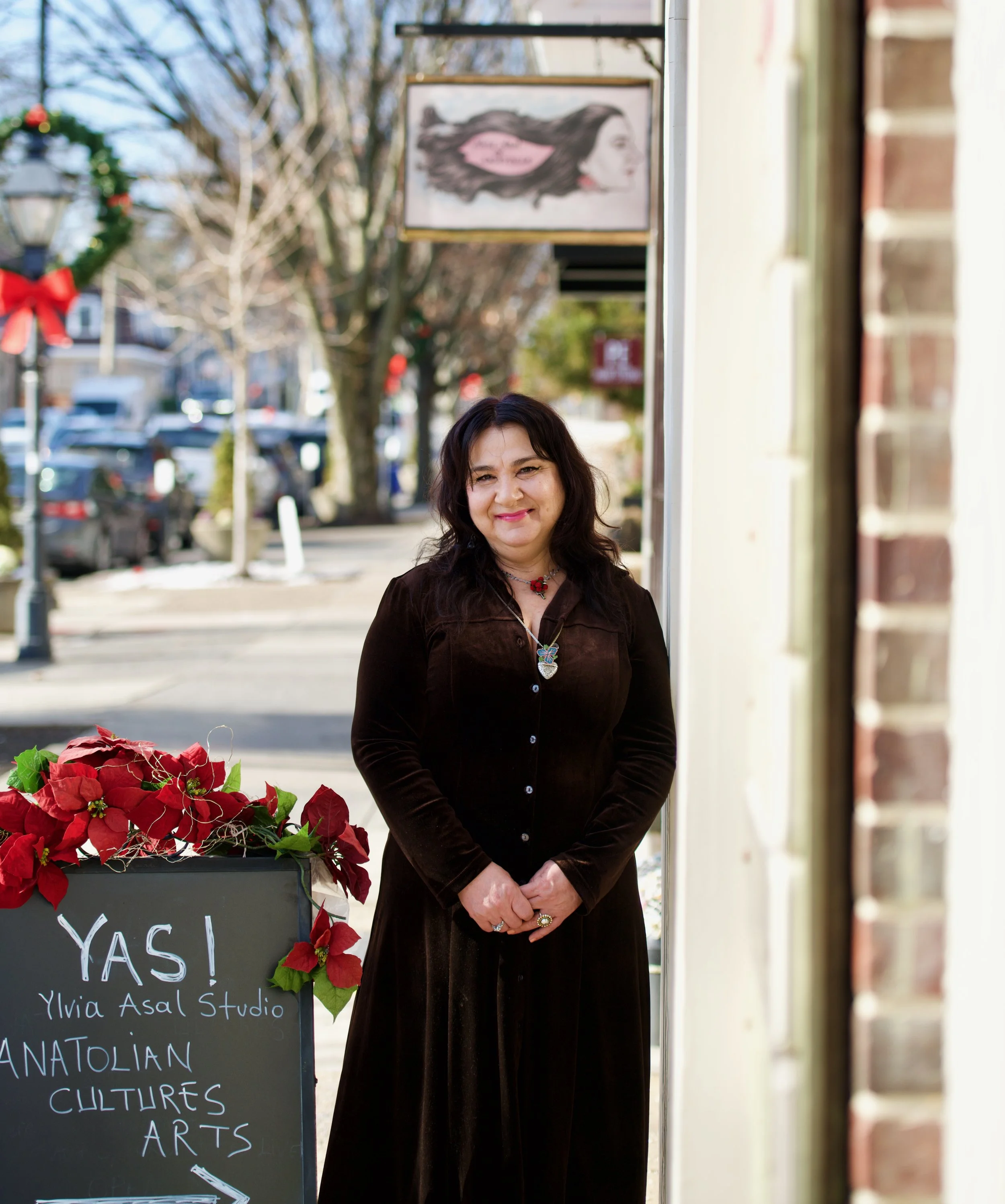
In centuries past, Anatolian women were often restricted from speaking freely. But there was a secret coded language between women, and, over a delicious cup of Turkish tea, Ylvia Asal can tell you all about it.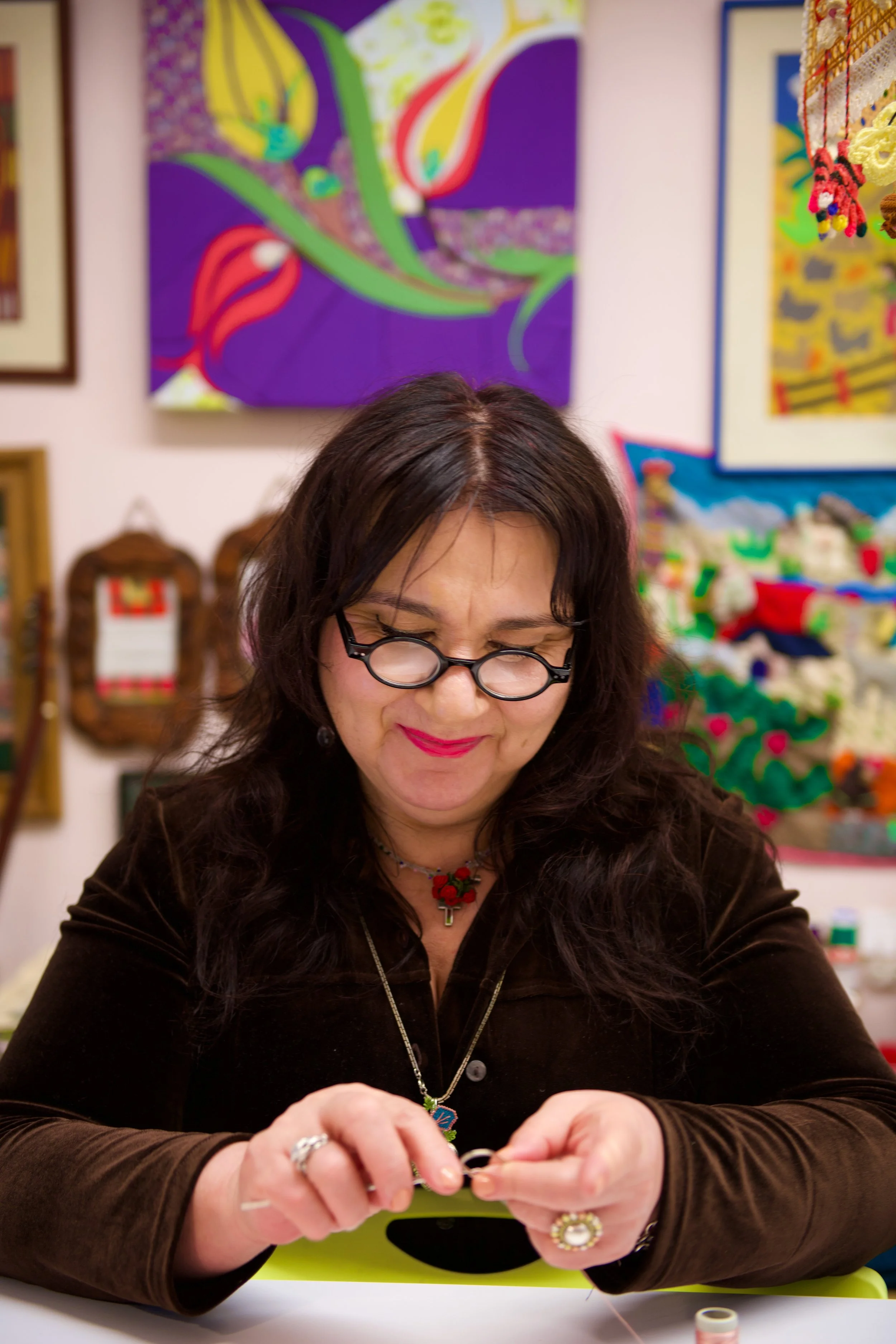
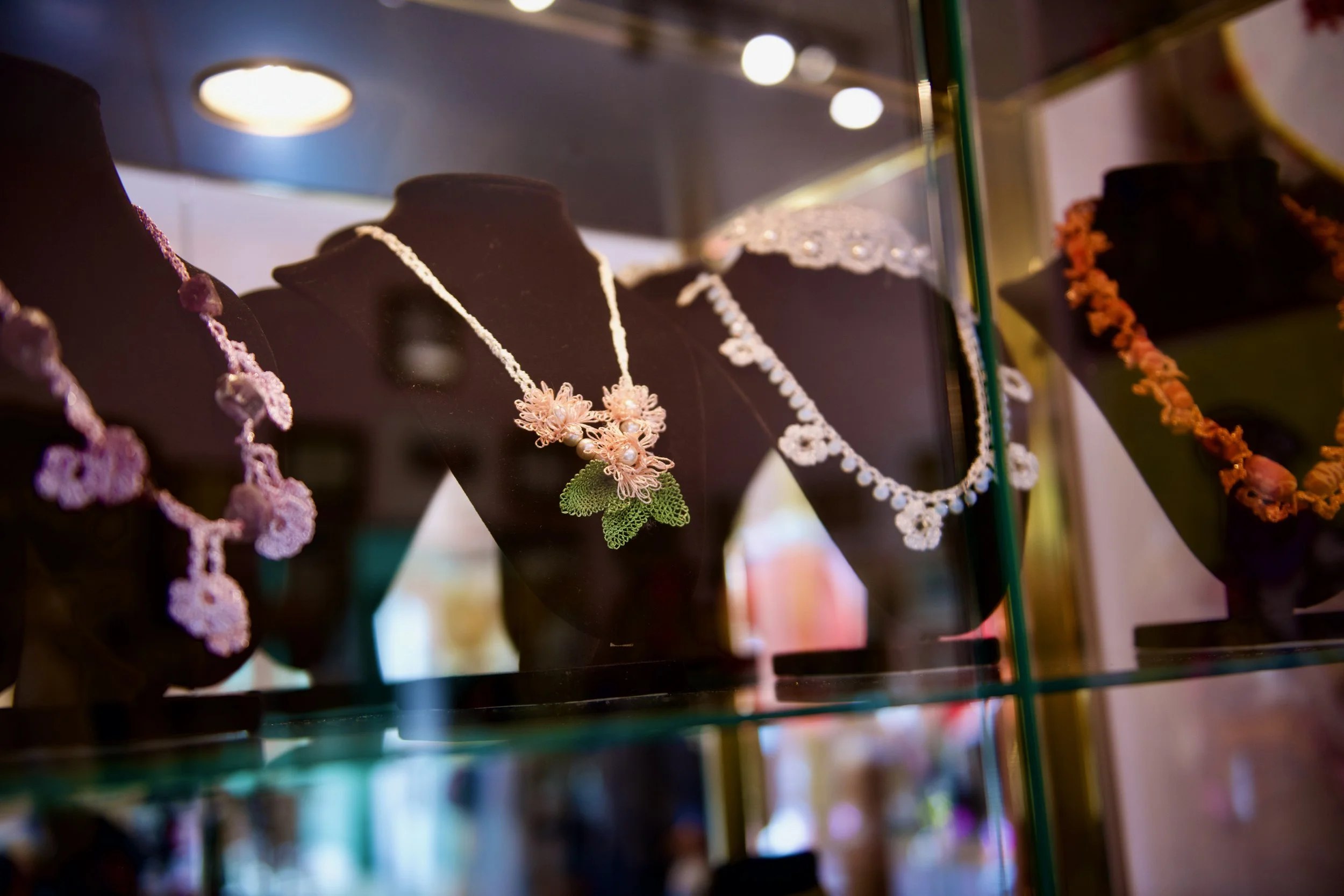
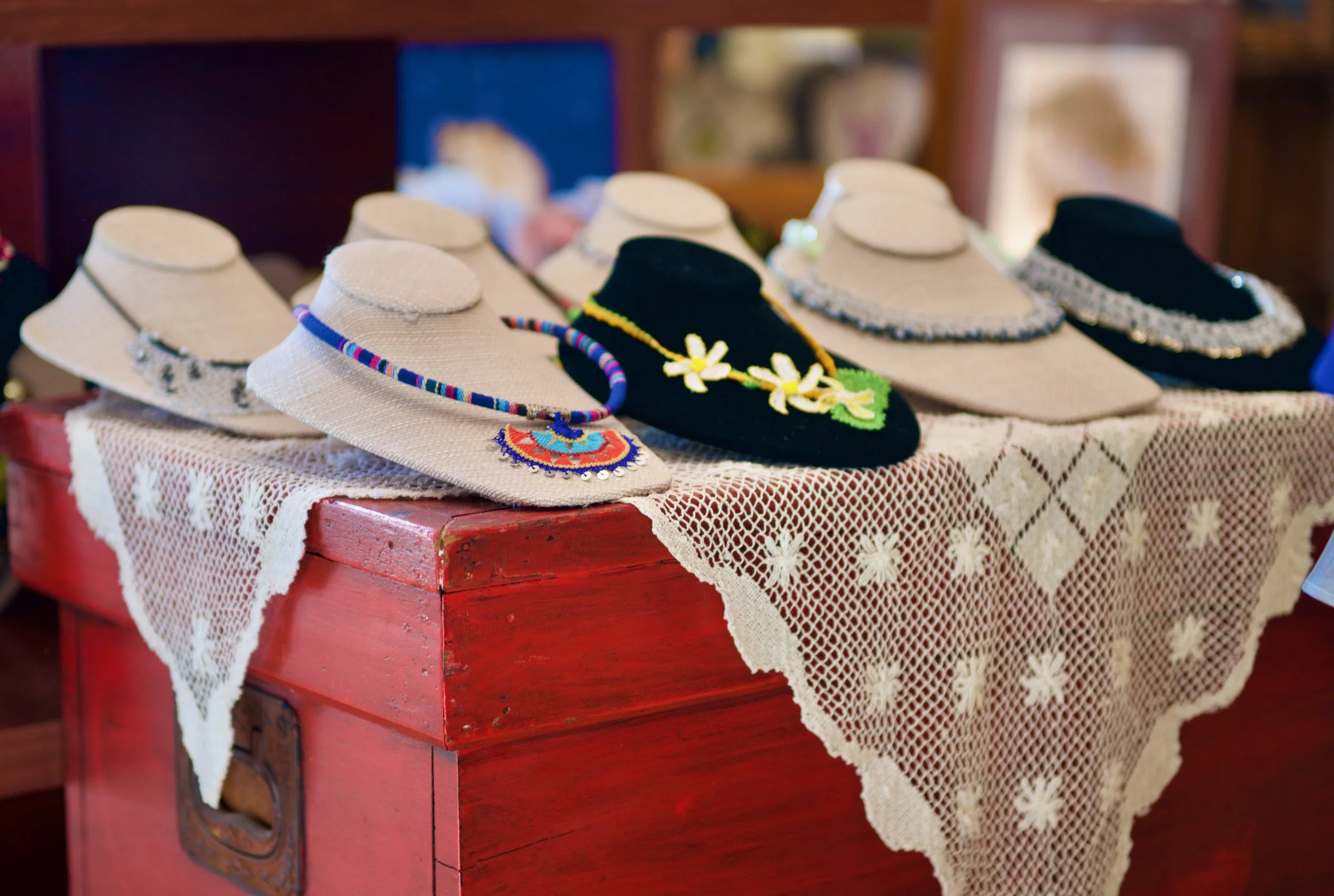
Ylvia explains that women would communicate their feelings and messages through the lace they wore. The colors and designs would sometimes have hidden meanings. The traditional Turkish art of lacemaking is called Oya, and it dates back as far as the eighth century BC. At a time when women were forbidden from vocalizing their opinions, they found a way to secretly communicate through their lacemaking. The patterns they created and wore could convey their social opinions, mood, feelings about their marriage, and even frustrations with their mother-in-law, all without speaking a word. The art of Oya has been passed down from woman to woman for generations, though in modern times, it is at risk of being forgotten. Ylvia has spent her life creating art involving Oya, and she is believed to be one of the only women in the United States currently practicing this artform. She is passionate about ensuring that this significant historical folk art is preserved, and her dream is to pass it on to the next generation of women.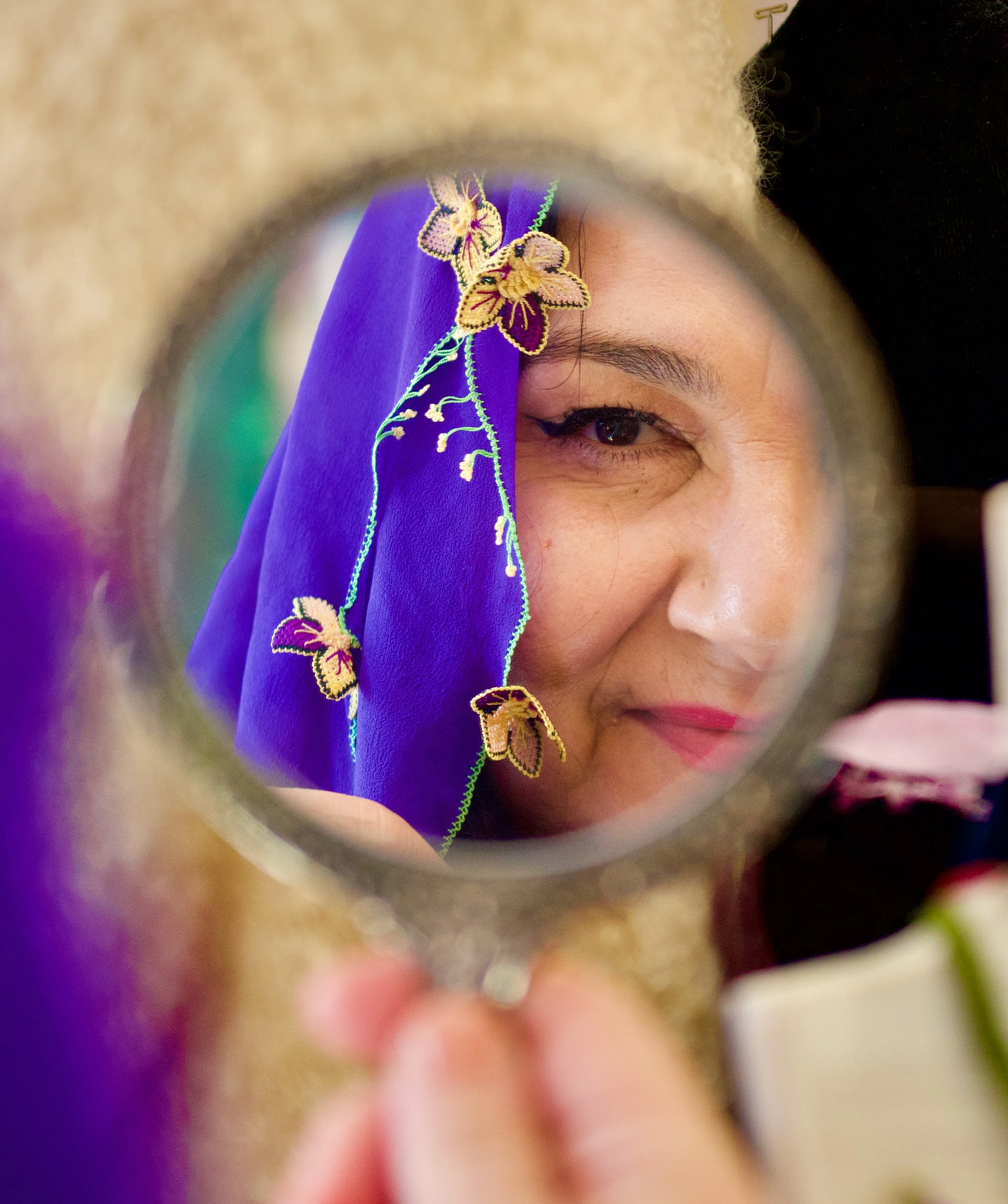
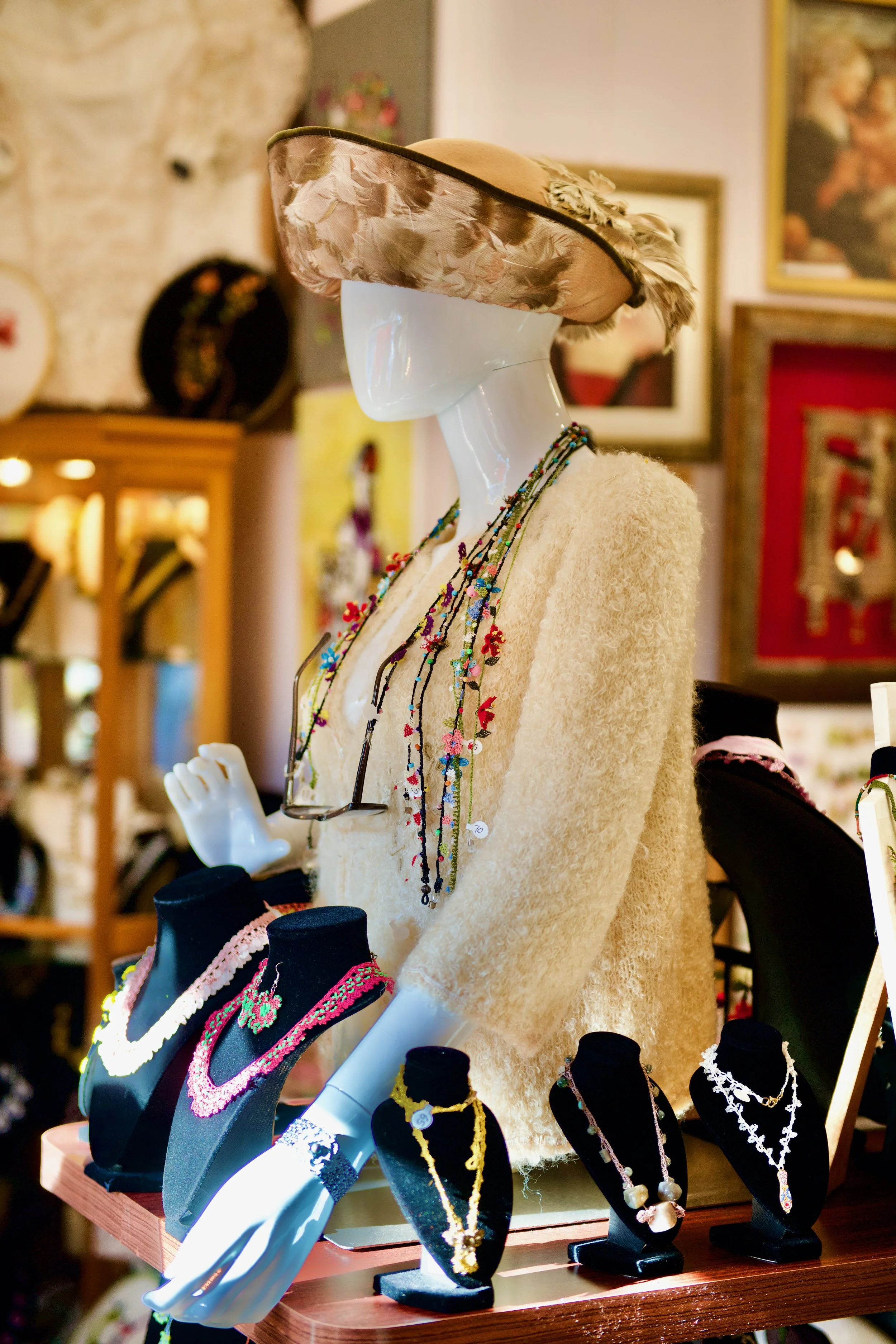
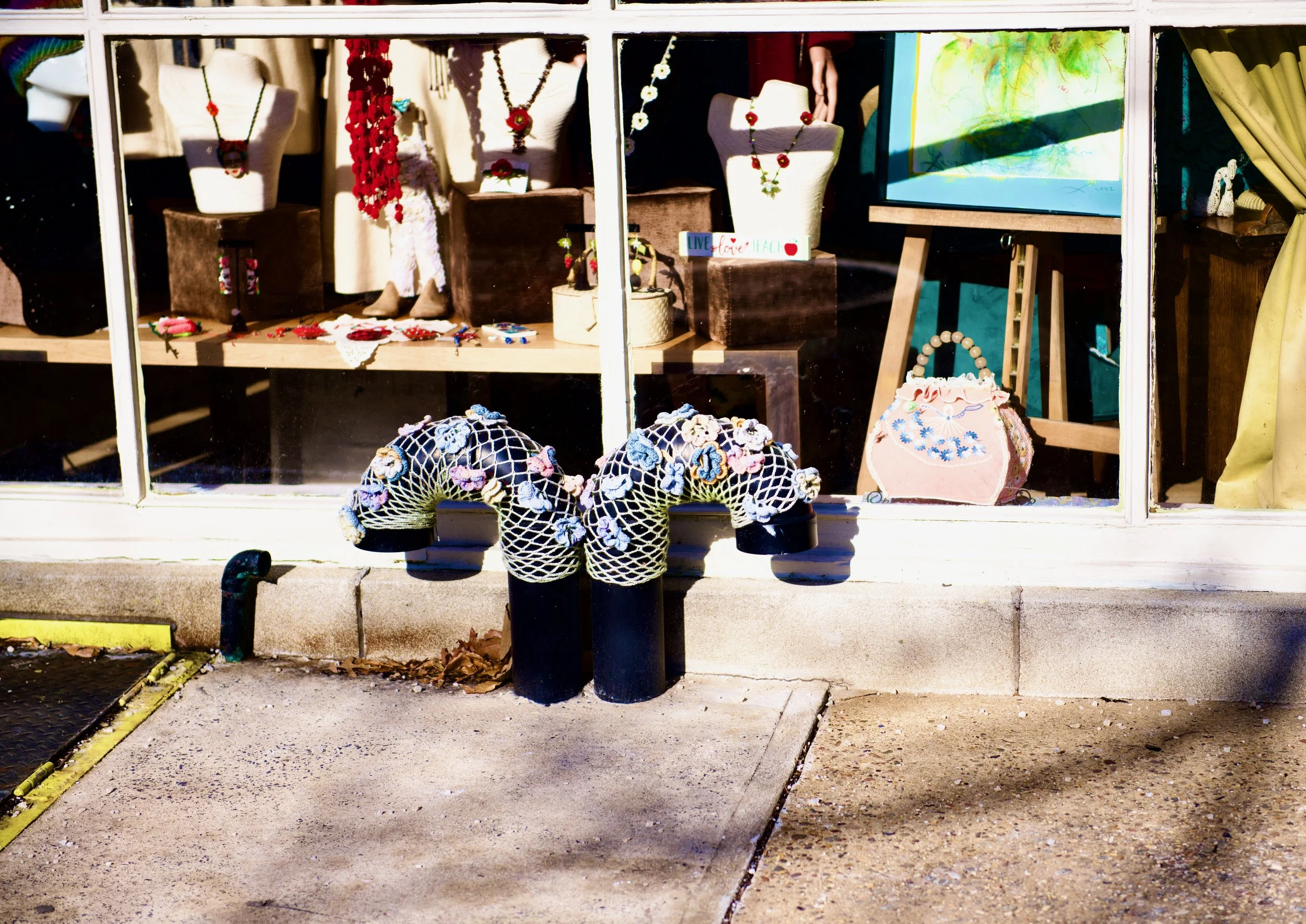
Ylvia owns Ylvia Asal Studio in Haddonfield, NJ - a warm and welcoming space filled with color, art, and inspiration. It is a space that Ylvia uses to celebrate and preserve Anatolian traditions, hoping to share her love of creativity and her Turkish heritage with the local community and beyond.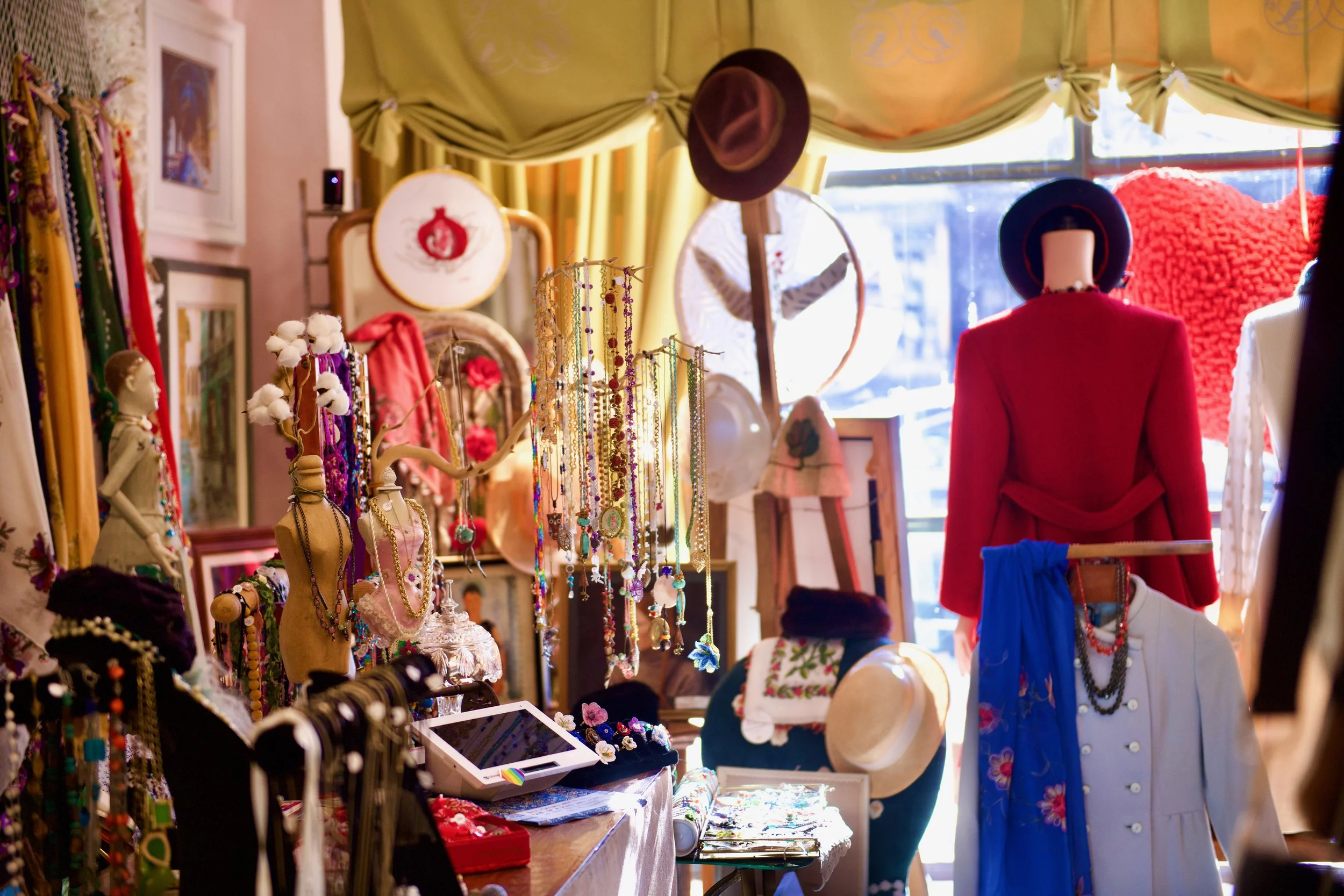
She was born to a family of artists in Türkiye in the Black Sea region. Creativity surrounded her; Ylvia recalls her mother carefully sewing all of her clothing by hand. It was a point of pride, and not a scrap of cloth was wasted. “Everything was handmade and repurposed. Even little pieces of material would not be thrown out.” Ylvia recalls scarves being transformed into blouses, and old, worn out cloth remade into carpets. Everything was handcrafted, not for the purpose of being sold, but simply for individual, unique beautification. “Creating beauty at that time meant playing with colors, playing with yarn, playing with textures, putting in flowers, and creating new patterns.”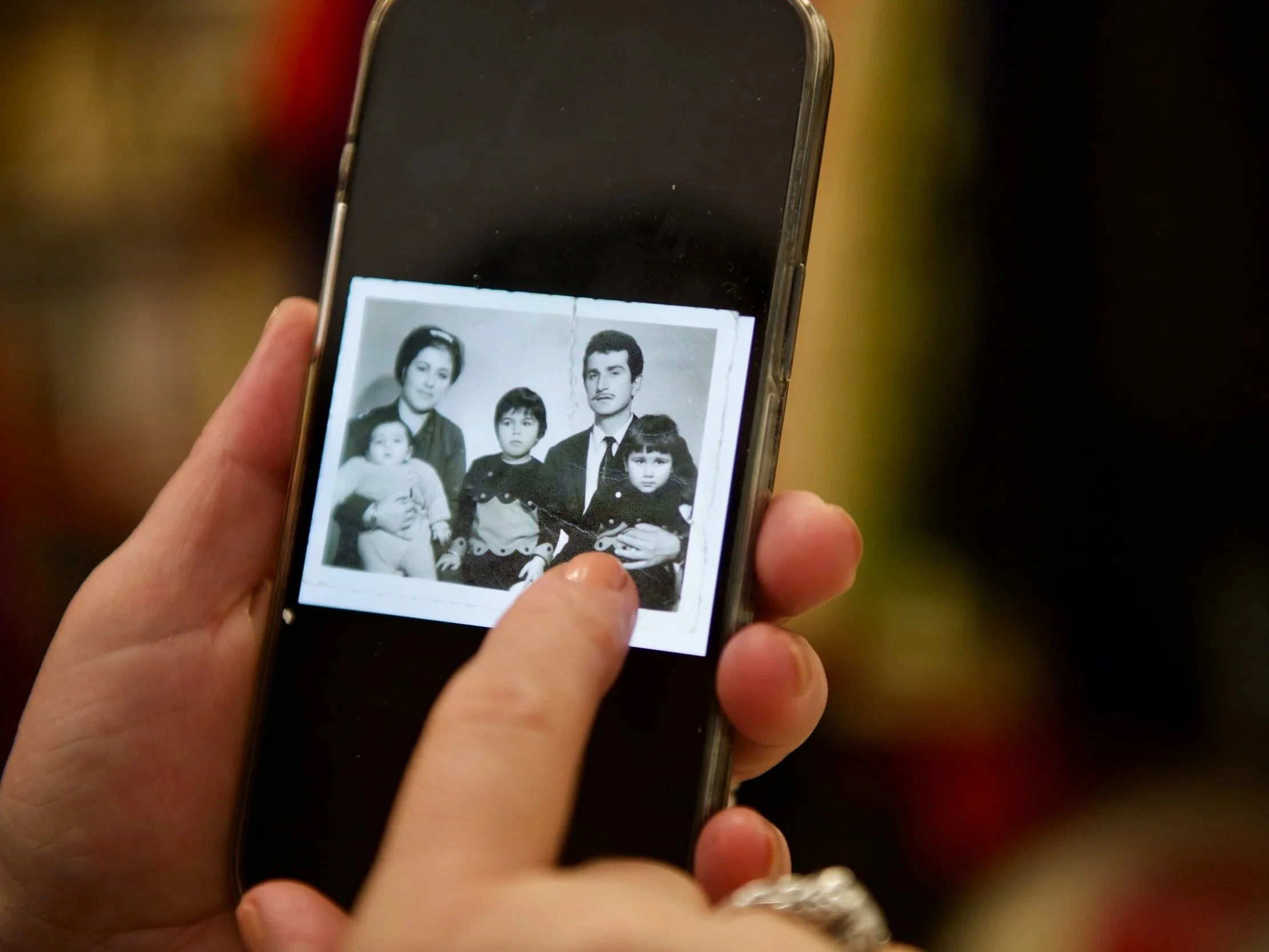
At 5pm, the women would gather for tea time. This was a daily opportunity for connection, and it often involved creating artwork. “In the late afternoon, we would all meet at somebody’s house and have tea. If we were hungry, we would eat there. There was more of a social life, more time together.” She says she will still see friends from her high school in Türkiye gather together to knit or do lacework or play with textiles. “It’s calling me,” Ylvia says. “I don’t have anybody here who does that.” She mentions that she will sometimes set her phone up on her desk while she is working on a new piece to connect with her sister in Istanbul who is doing the same. “So we can feel it together.”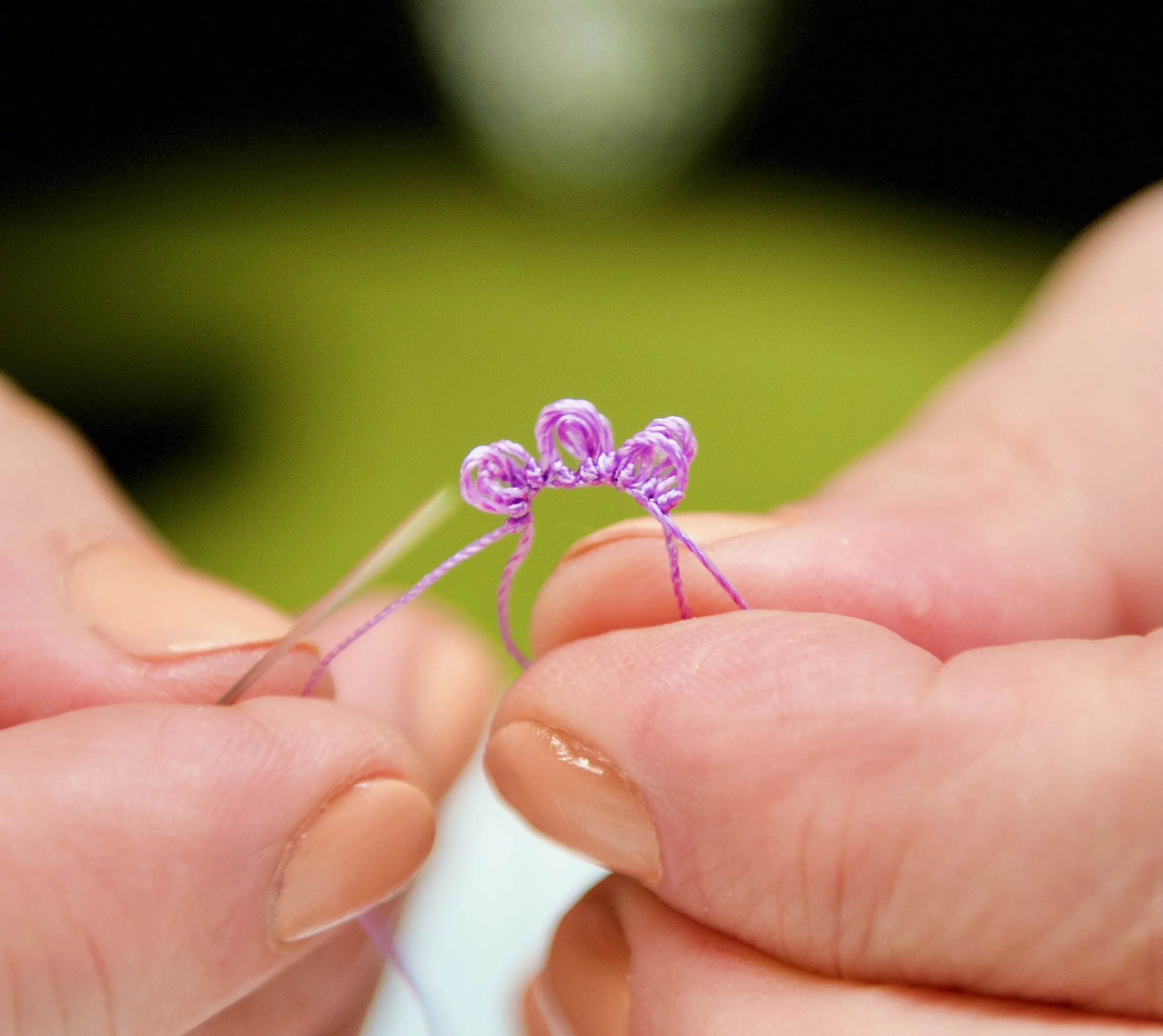
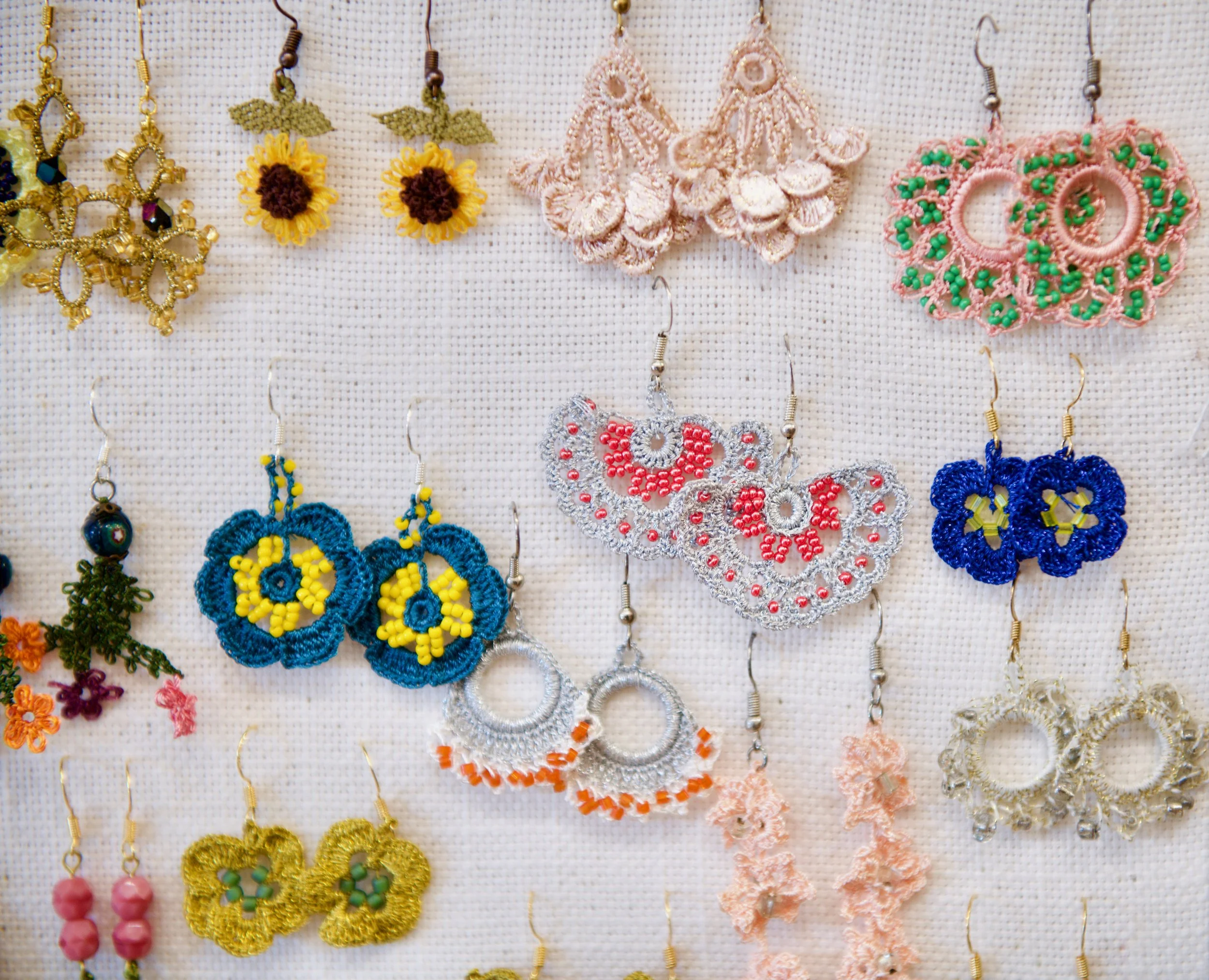
Ylvia is so intricately connected to her craft, that she often feels like the pieces create themselves - as if the thread has an idea of how it wants to be shaped, and she is just the vessel through which it fulfills its purpose. “When I sit at the table, I get the thread, I get the needle, and I just start creating. It just happens. The thread shapes my hand.” A lot of time is dedicated to each delicate piece. Ylvia says that if she is very focused, a single earring can take her an hour to make. She mentions that she does not take notes on the patterns she designs. Instead, if she wishes to recreate a previous piece of work, she will rely on photographs to help jog her memory.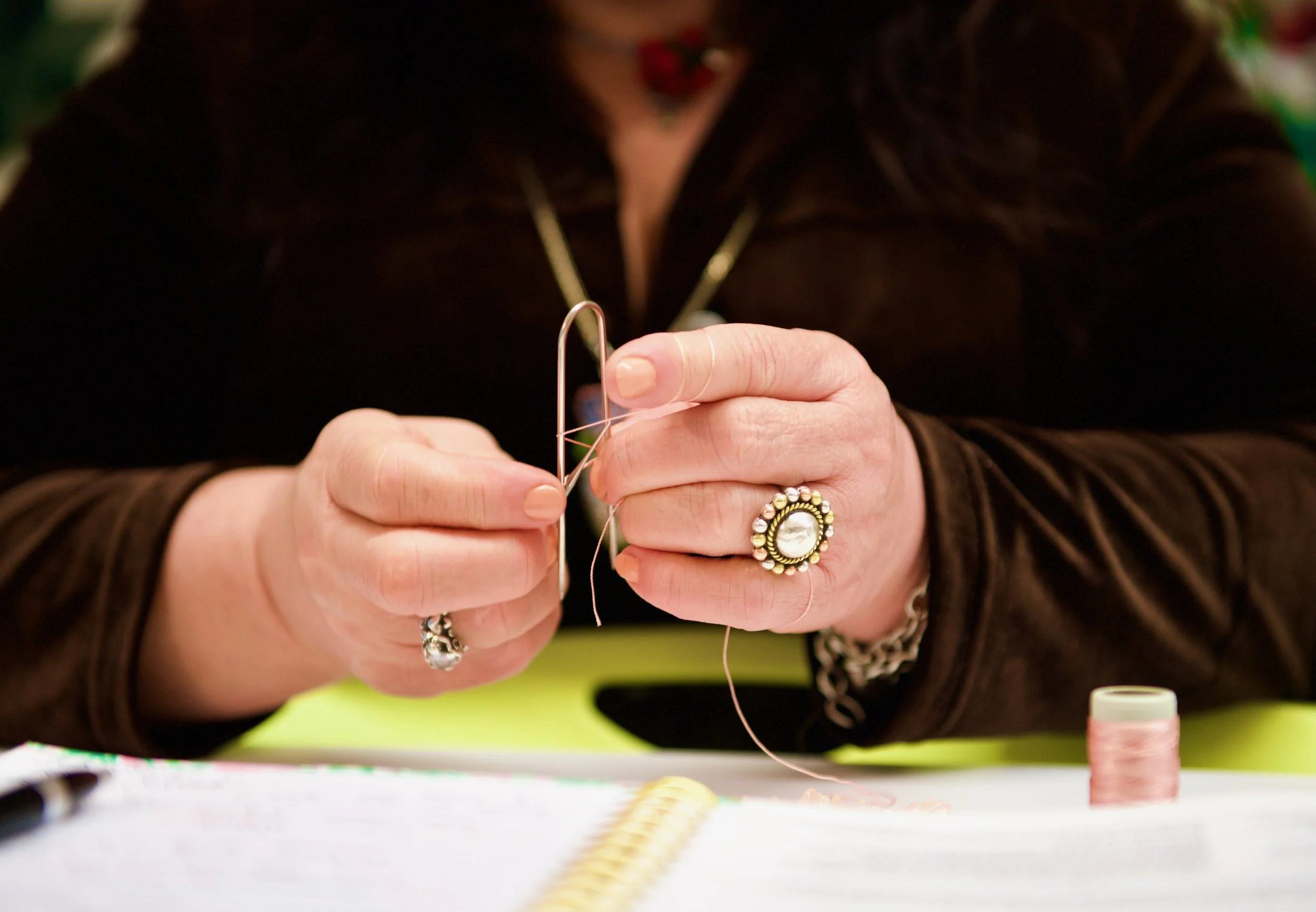
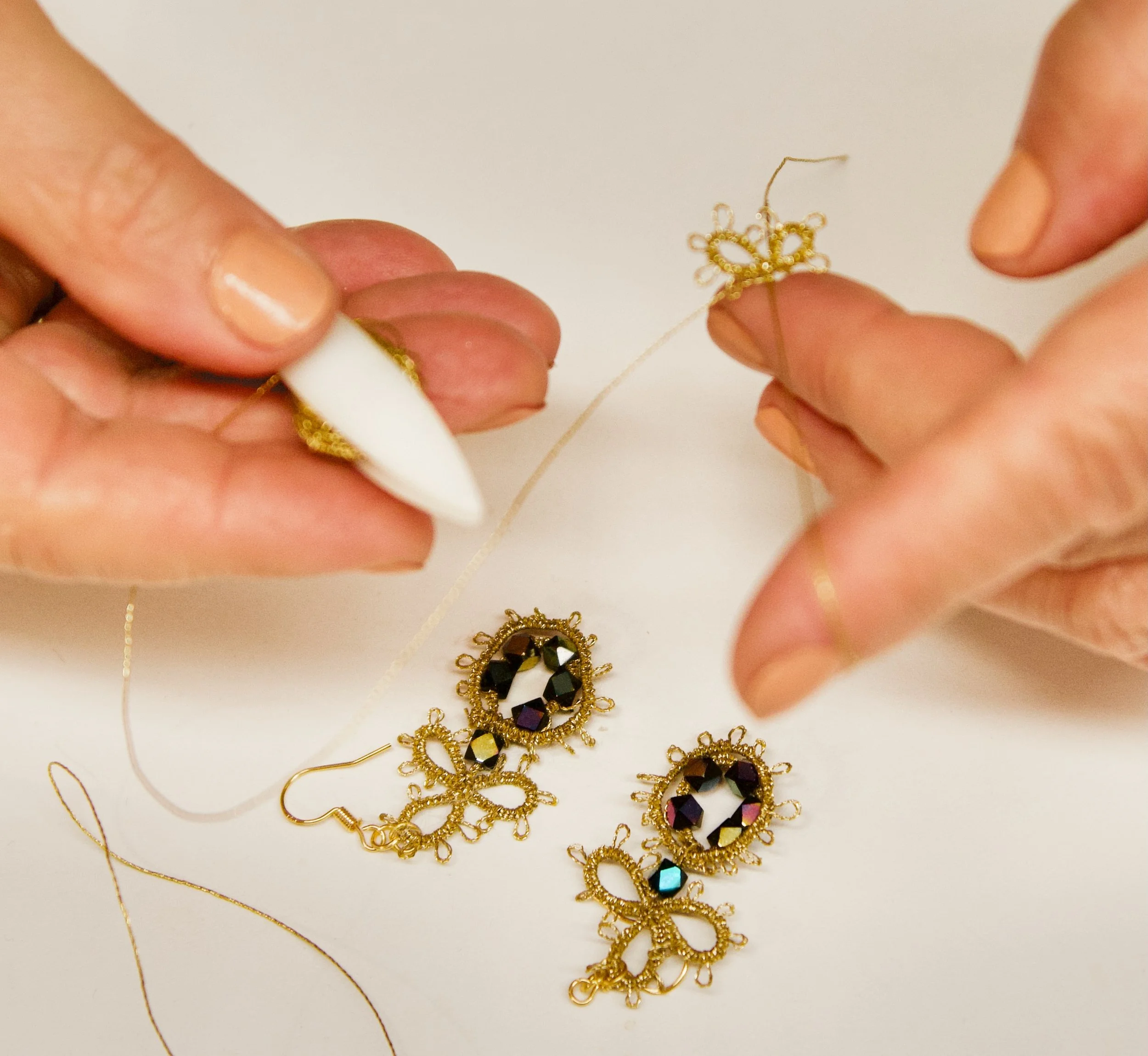
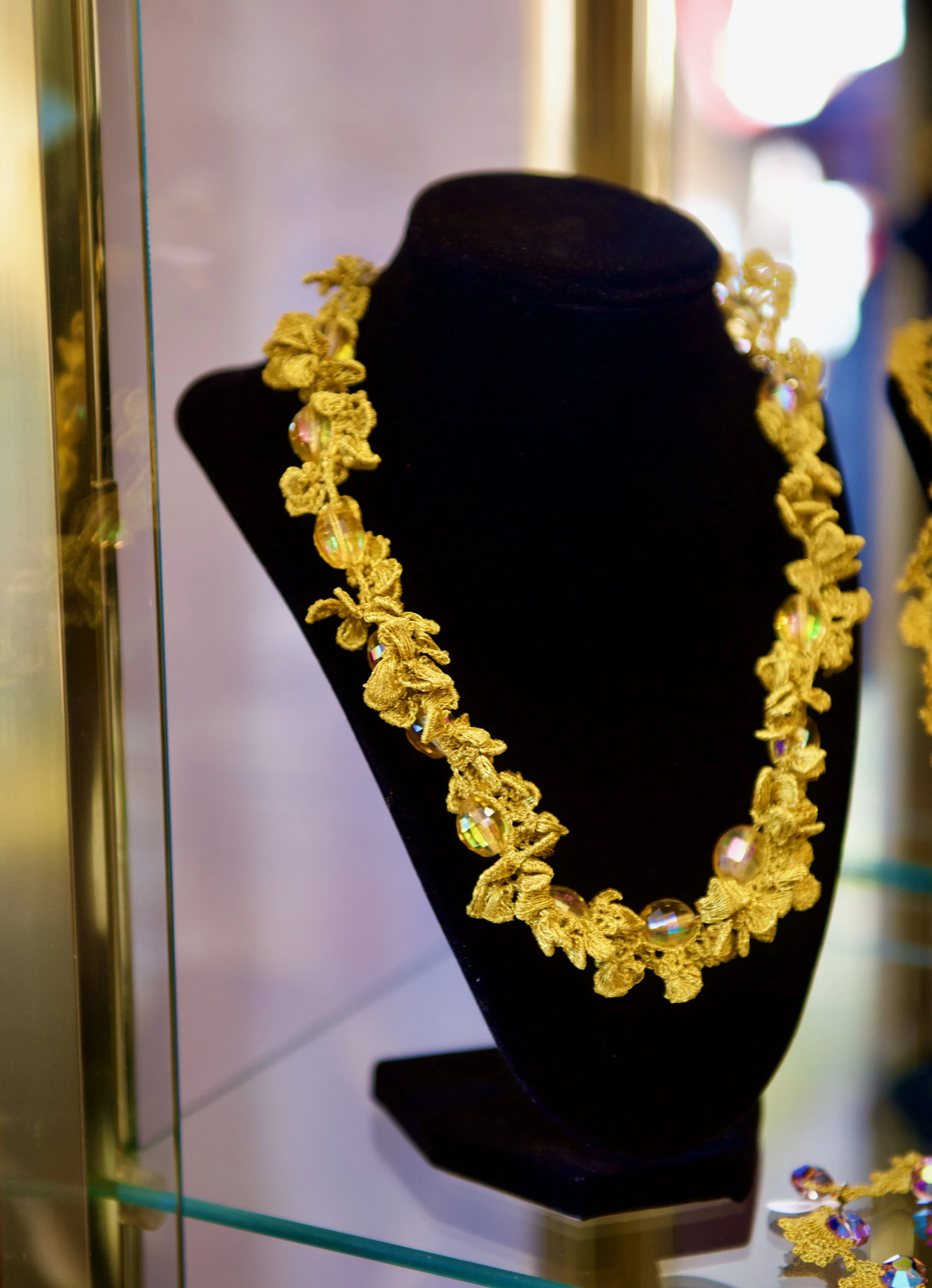
While Ylvia’s artistic talents include crocheting, knitting, embroidery, wax sculpture, ebru marbling, and other textile arts, she says that lacework is her predominant and most meaningful art form. “So much of my work is inspired by Oya.” Ylvia has received multiple awards for her efforts to preserve this aspect of her cultural heritage. In 2023, she received the New Jersey Cultural Heritage Fellowship lifetime achievement award. Last week, it was announced that she is one of the US Regional Arts Organization’s grant recipients for their “Walking Together” initiative, a program investing in folklife in communities of color.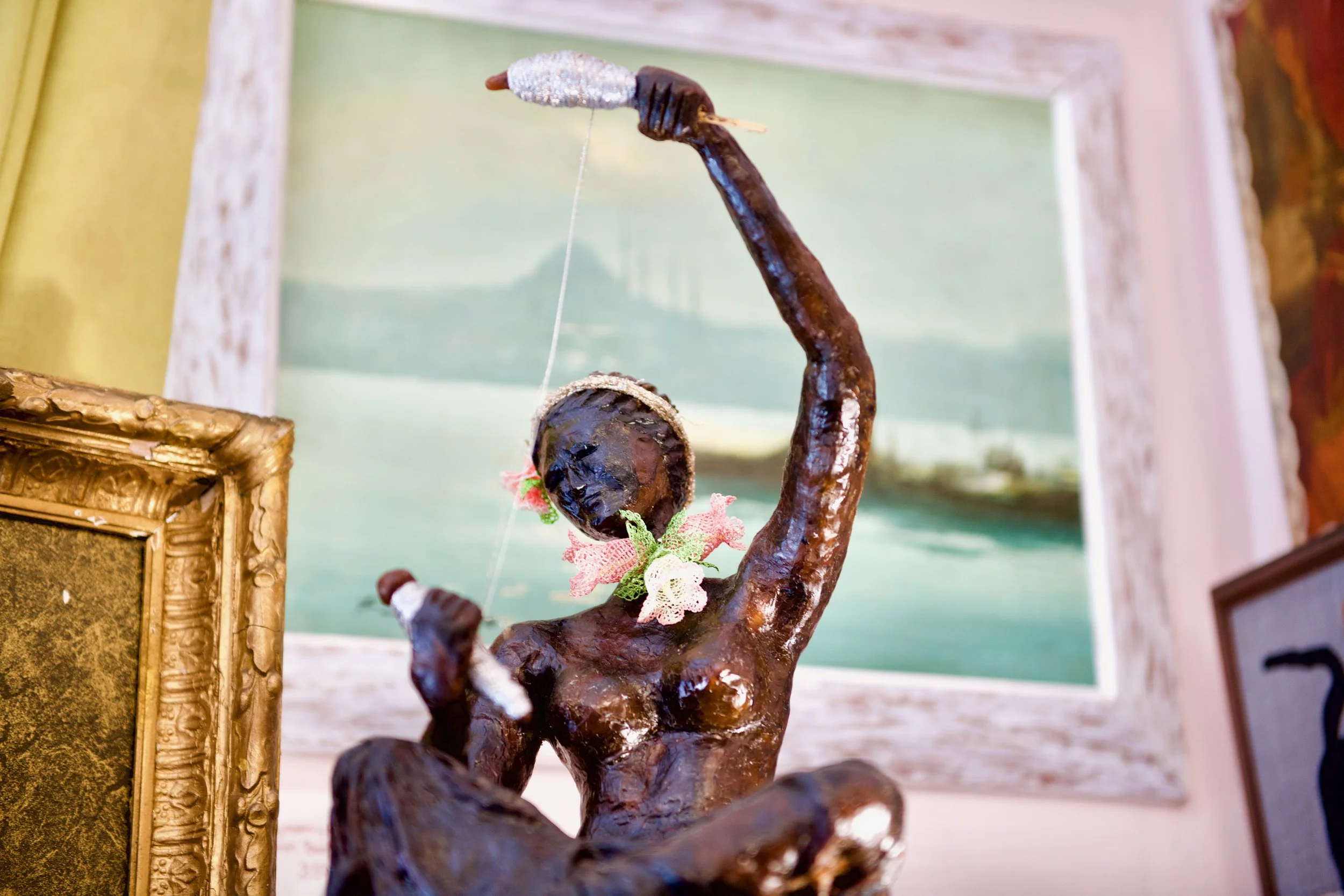
Despite the recognition she has received for her work, Ylvia feels that she has more yet to accomplish. She knows there are many women who, like her, would love to connect with a broader community. She dreams about recreating the warmth and closeness that comes from the late afternoon gatherings she is familiar with from her Turkish background. “I want to bring the women together. Maybe they can cook some food at home and come together, knit together, talk, and grow. A women’s interest club. This is my plan. I’m working on it.” She says she hopes her next chapter includes bringing other artists into her space so they can all work together, create together, and support each other.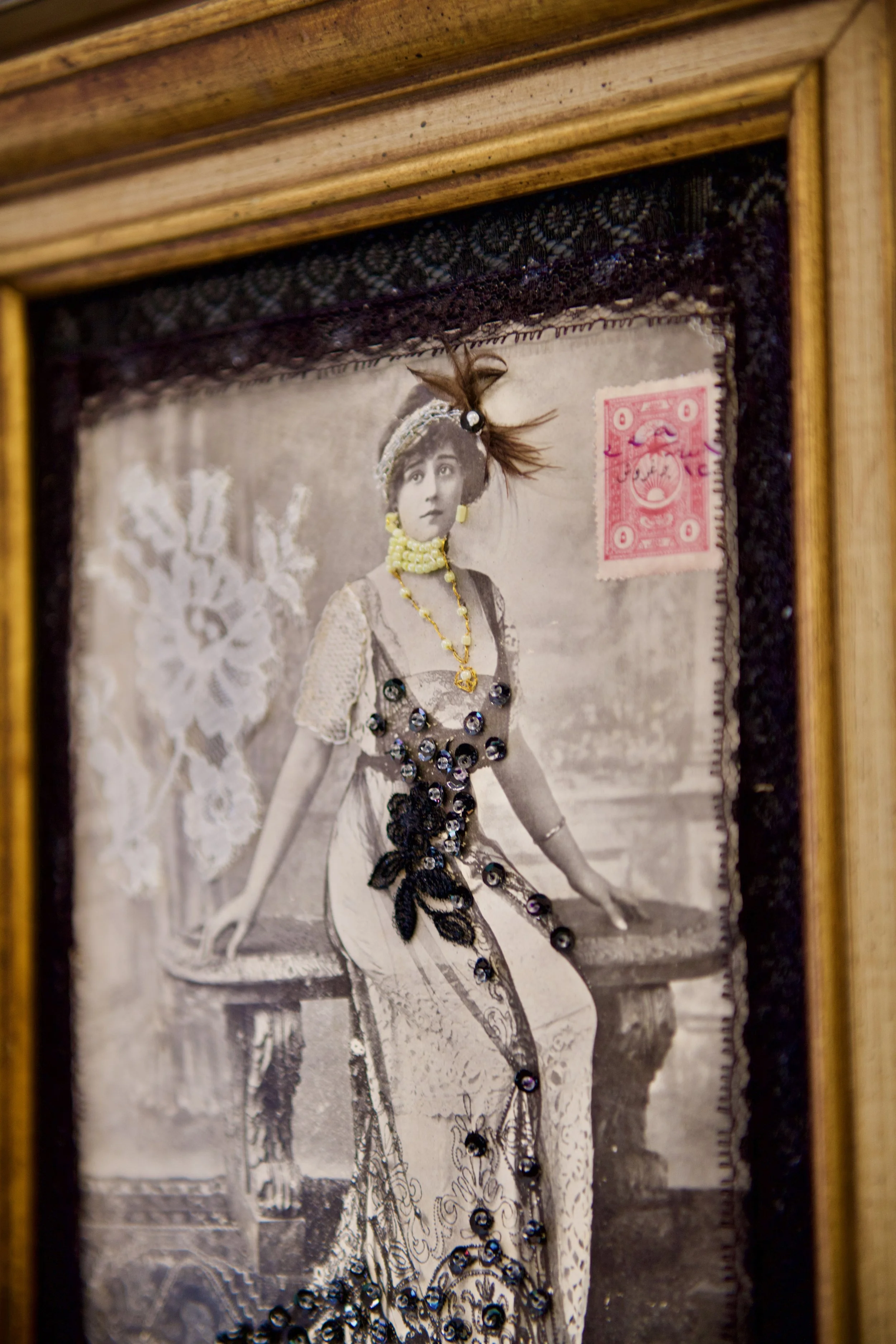
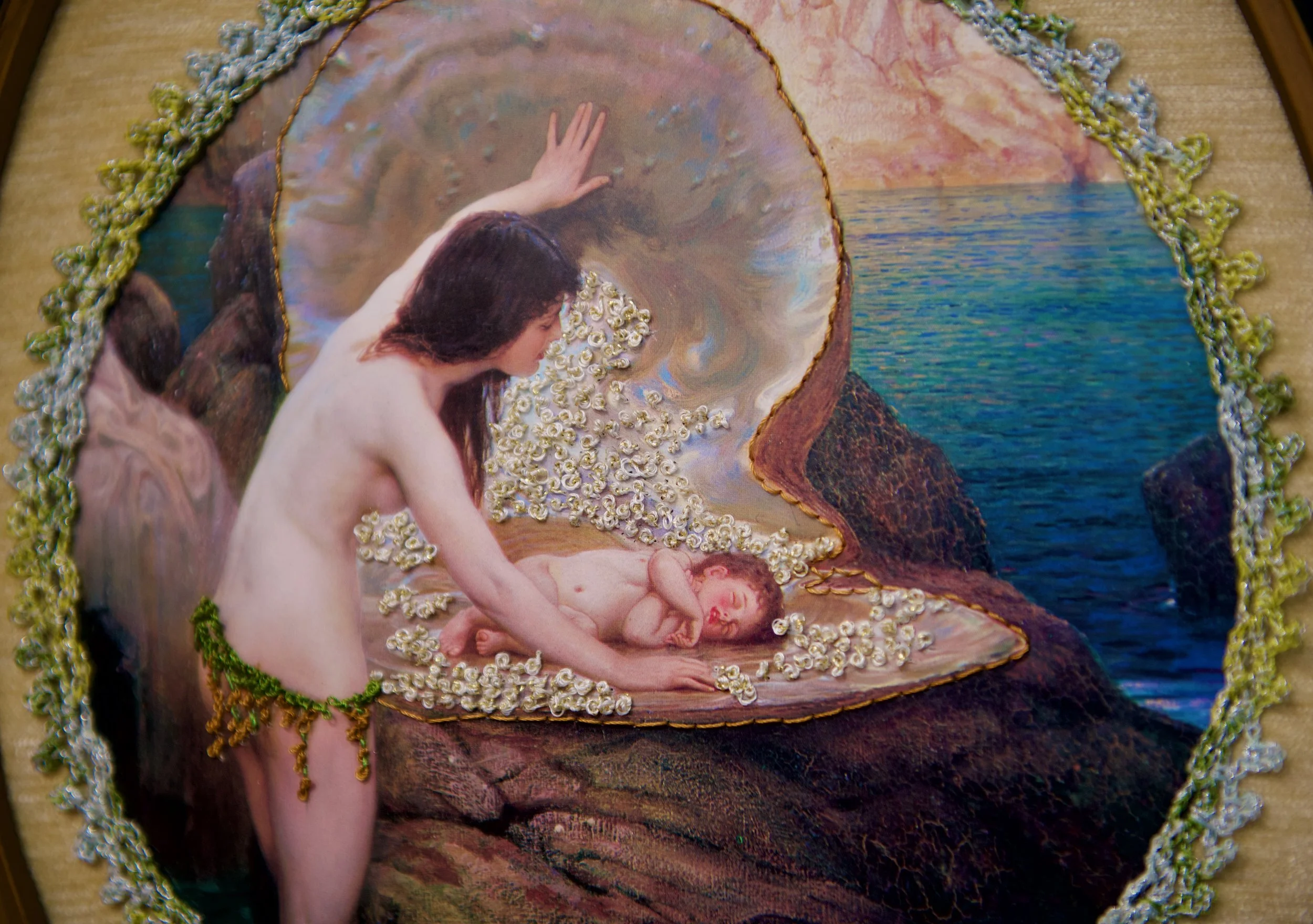
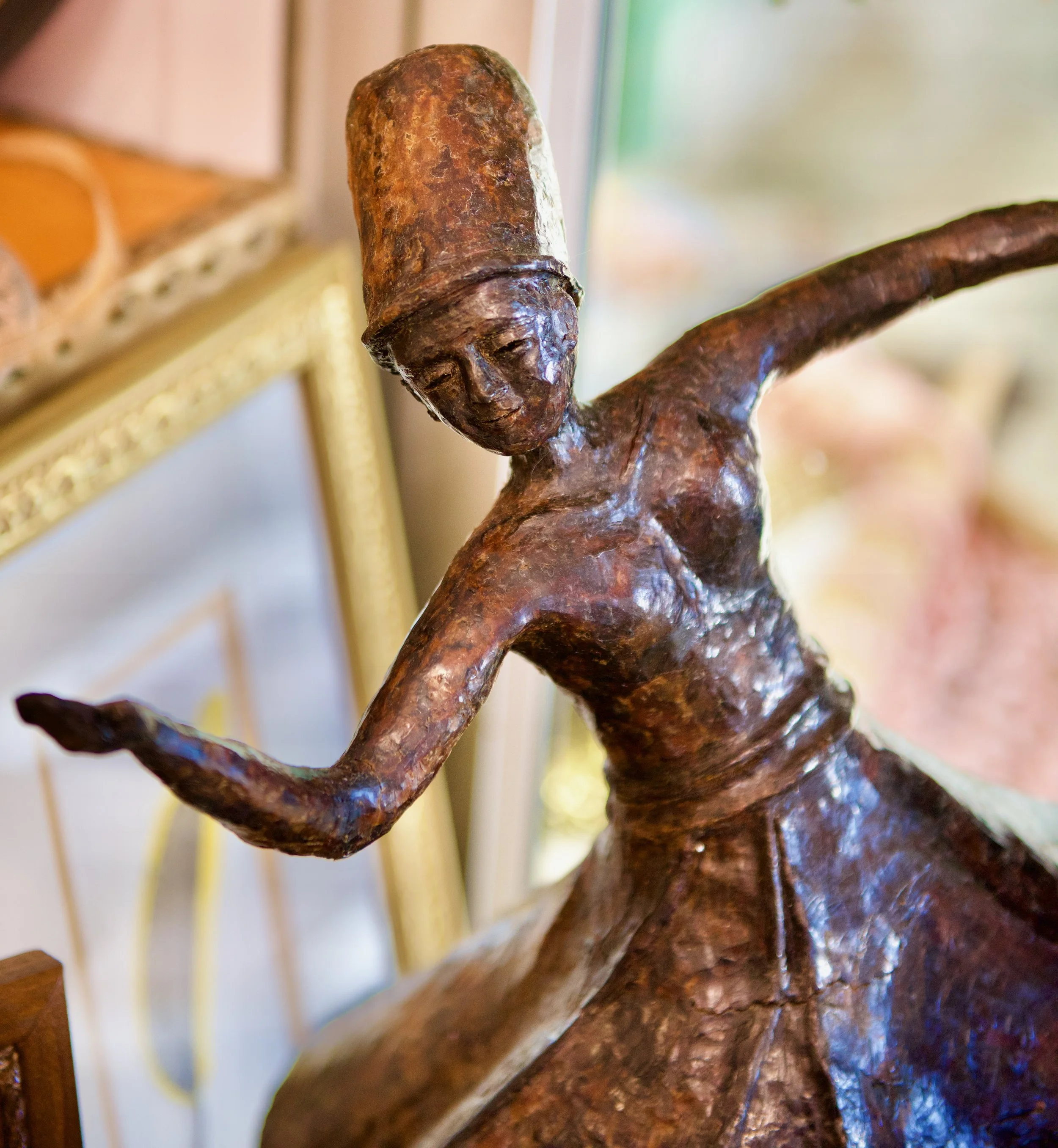
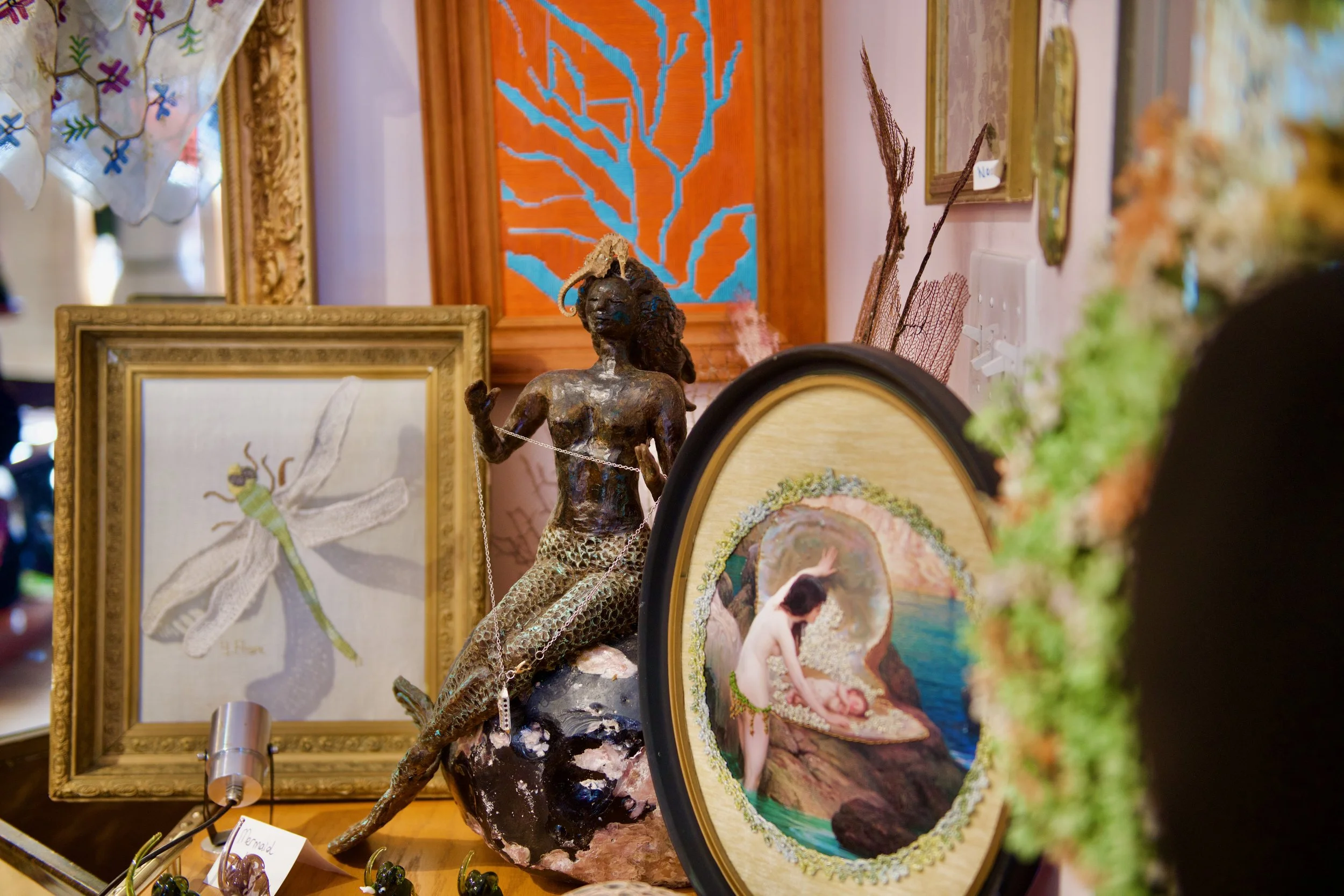
Everywhere you look in Ylvia’s studio, you notice something intriguing and unique. Framed textile pieces of art from all different cultures and time periods decorate the walls. It is her room of inspiration. “Every little piece inspires me, and I want them to inspire my students as well. I show them the pieces I made, but then I say, ‘Look at this one, it’s from Italy. Look, that one is from Cuba.’ These pieces are similar to the work I do, but they are from all over the world. This one is from Mexico. This one is a very old piece of lacework from England. It’s eclectic. It doesn’t matter that it doesn’t all belong to Turkish culture. It’s women’s work. It’s all connected.”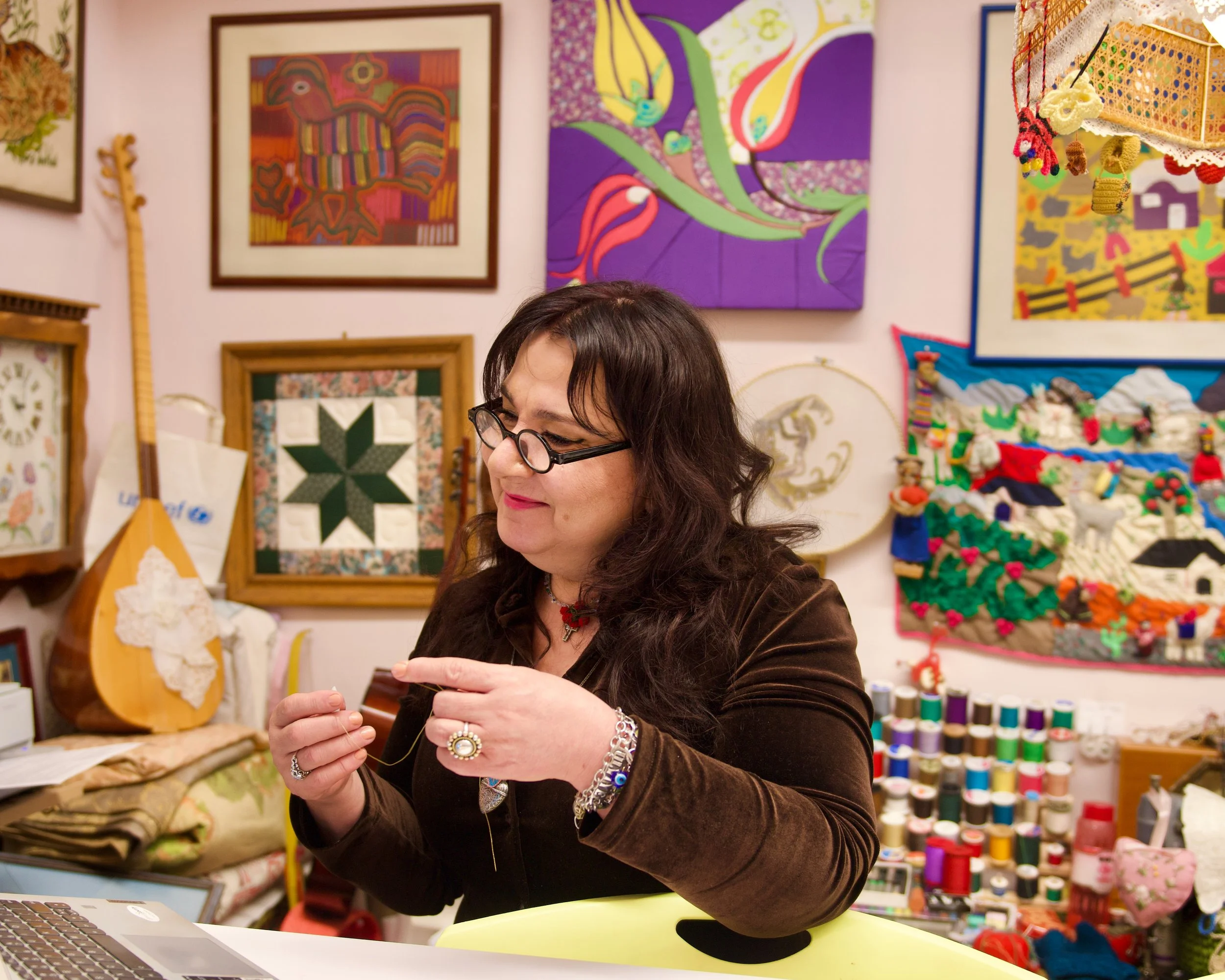
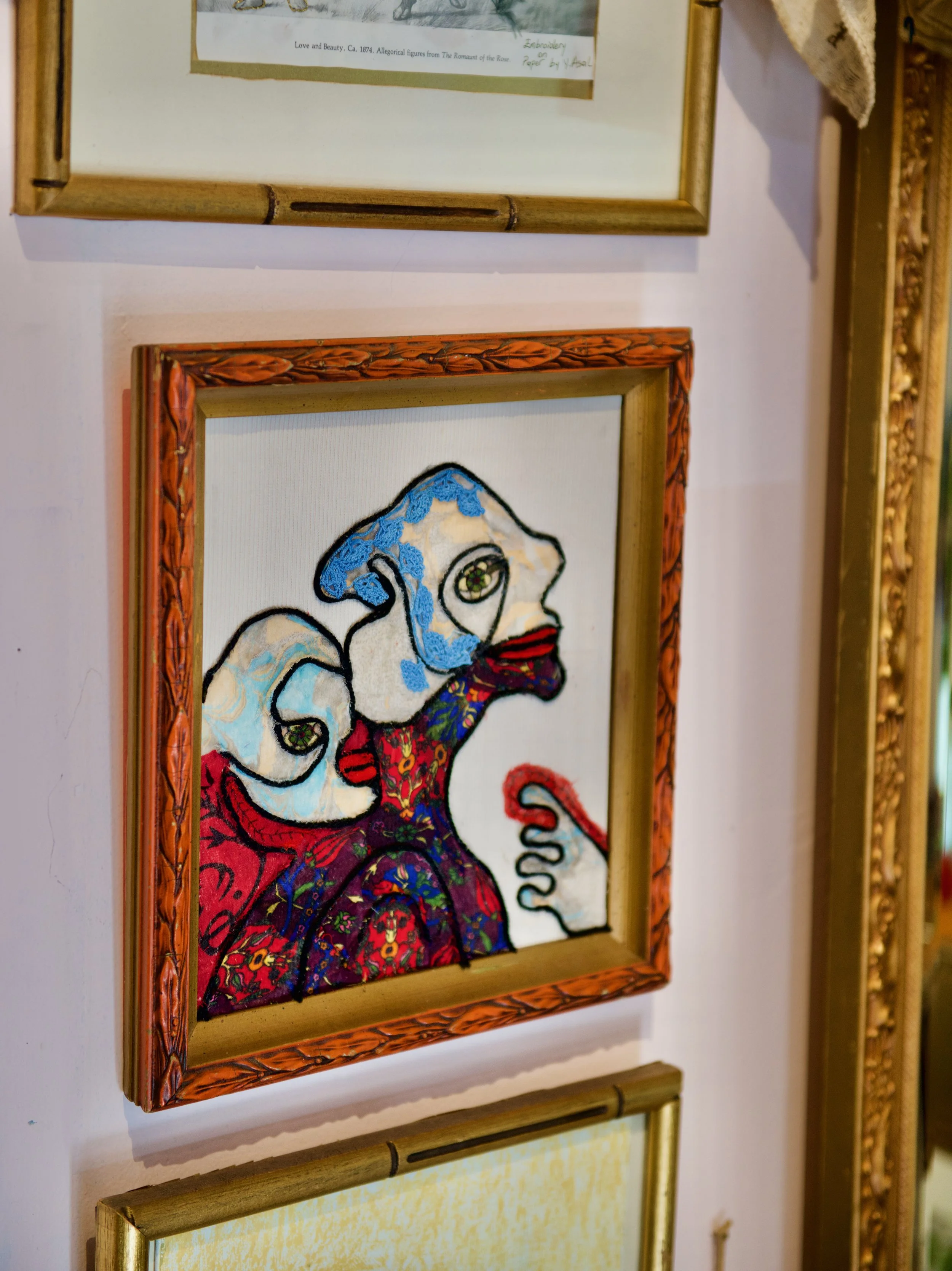
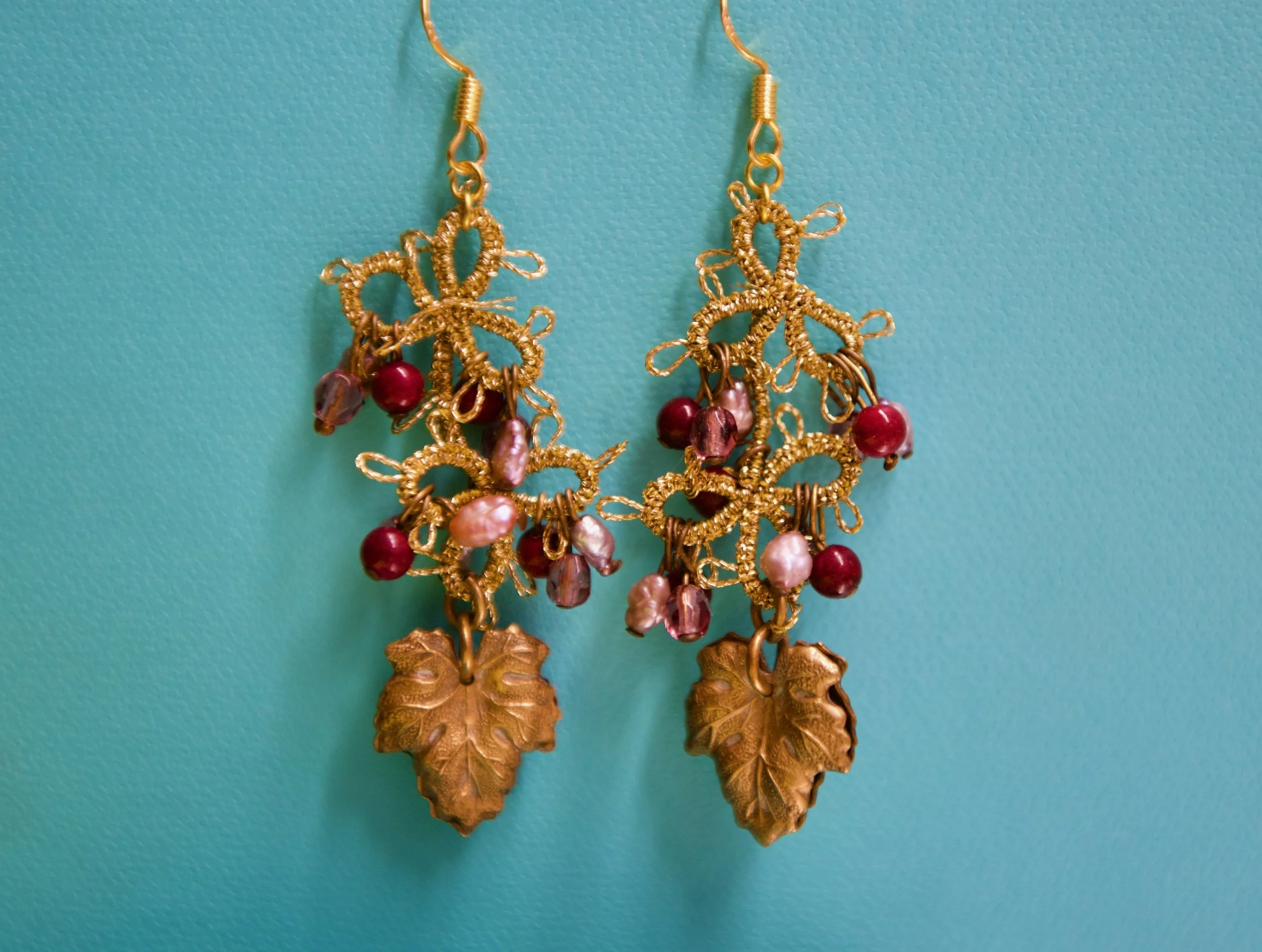
Ylvia says that surrounding herself with these meaningful pieces of art helps her feel close to the women who created them, as if connected by a thread. She feels as if the spirits of these women speak to her heart, telling her, “Take me, pull me, make me alive, keep this memory alive.” Female imagery is frequently featured in her art, as she feels called to represent women’s labor and women’s work. Ylvia also sells items she creates out of repurposed fabrics, keeping a collection of textiles at home until she feels called to use each one. “It reminds me of when I was a little kid and my mother was always keeping these things. So I keep all of these little pieces, until someday they each find the right place.” She stresses that when you purchase a piece of art or jewelry from her store, you are not going home with a product, you are leaving with a piece of history.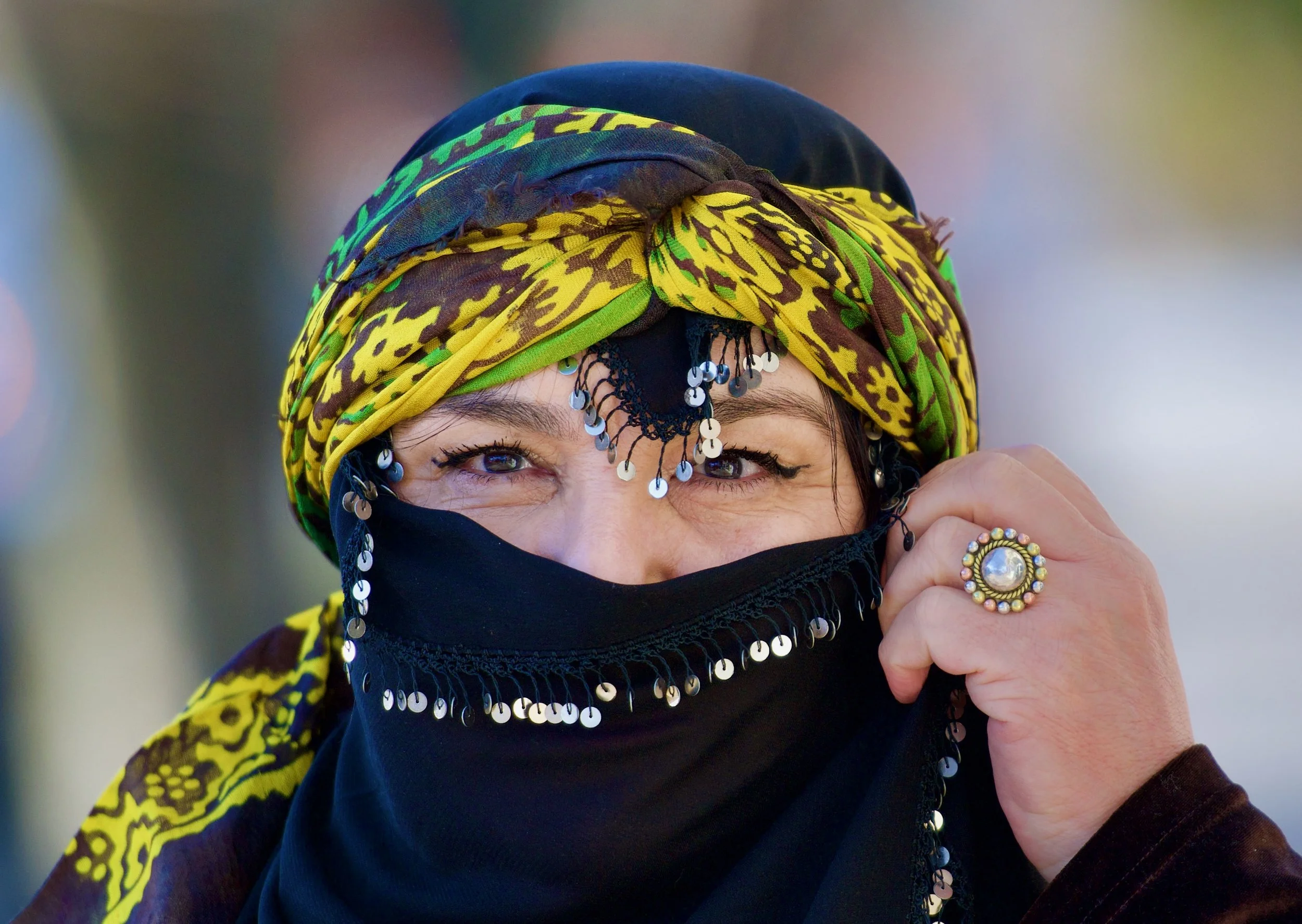
Ylvia says that in the eight years she has had her studio and storefront in Haddonfield, she has found that not many people understand the rich history that is inside and what she is trying to say with her space. She worries that time is running out to accomplish all she wants to. “I have been here for eight years, and in those eight years, I’ve changed. I am getting old. My face didn’t look like this eight years ago. Maybe in another eight years, my eyesight will be gone. Maybe I won’t be able to do this anymore.” Ylvia says that what she really hopes is to pass down her knowledge of traditional lacemaking to the next generation of girls so that these skills are not lost. “Unfortunately, not many people are doing this anymore. I hope I can bring this history back.” She feels that Haddonfield, a town that places value in historic preservation, could be the perfect place for her dream to come to life.