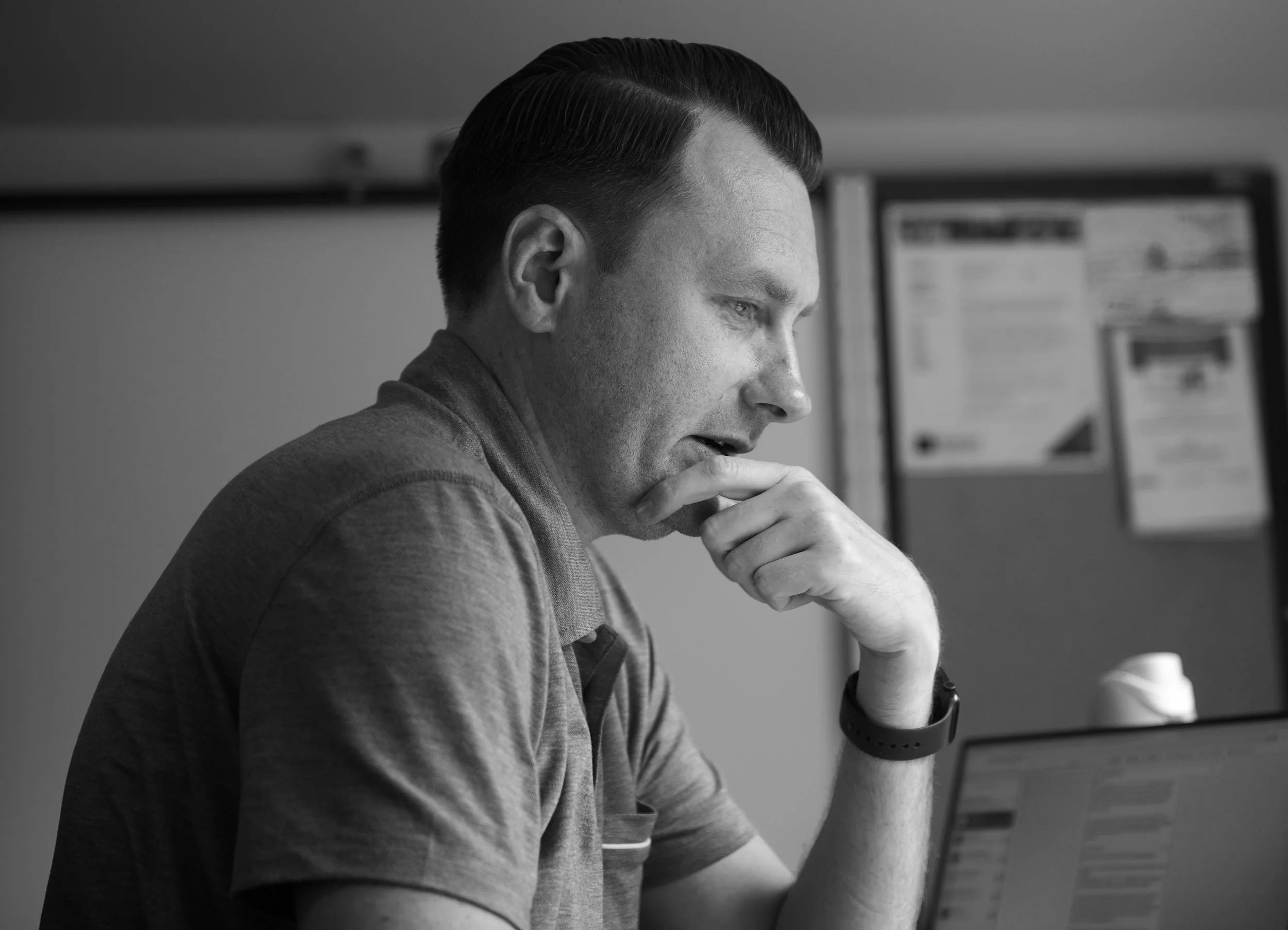
More than 10,000 new businesses get started every month in New Jersey, and Lee Procida of Mountwell Marketing wants to help as many succeed as possible.“Nearly all marketing agencies cater to larger, more established companies with bigger budgets. That leaves more than 90% of businesses in America trying to figure out marketing on their own, which is partly why so many small businesses fail. There's a major need to help these small and growing businesses get the same level of expertise as big brands but at a more realistic price point.”
Lee’s journey to starting his own marketing company was not straightforward. After finding a talent for writing at St. Joe's High School in Hammonton, NJ, Lee majored in journalism at the University of Delaware. “This was in 2004, and even then, the future of newspaper reporting looked bleak. I was confident that if I worked hard enough I could figure it out, but I tried to hedge my bet by studying newer technologies as well.” Lee was in the first class at Delaware to enroll in an Interactive Media minor, learning web design, computer programming, communications, and even some graphic design and photography.
After graduating in 2007, Lee's first job was at the Haddonfield Sun. (His office on Kings Highway partly inspired him to move to Haddonfield later.) He soon moved up to become a staff writer at The Press of Atlantic City, one of the most respected independent newspapers left in the country at the time. He wrote nearly 2,000 articles at The Press, covering everything from crime and politics to in-depth pieces on local businesses and attractions. His favorite stories included features about the South Jersey blueberry, cranberry, and wine-making industries. It was during this time that he met his wife, Elisa, in 2010. “She went to UD, too, but we actually first met at the paper. Our first date was to a Sixers game. My friend got extra tickets, and I invited her over work email. Very romantic, I know, but somehow she said yes. We wound up working in the Cape May County bureau together, and would eat lunch together at the Cape May Zoo.”
After a couple years, they both decided to look for jobs outside of journalism. “Newspaper reporting was fun in some ways. The Press would give me a $100 stipend every week to visit and write about a new bar or nightclub along the shore. But it was very clear that if we ever wanted to buy a house and start a family, we needed to find different careers.”
Public relations seemed like a natural transition. Lee applied to every marketing firm he could find in Philadelphia, and he ultimately accepted a job at Braithwaite Communications, a communications agency in Center City. “I was initially the writing, editing, and media outreach guy, since those were my strengths, and I didn’t really know much about marketing yet. Fortunately, the founder of the agency, Hugh Braithwaite, had also been an English major, and he encouraged me to learn everything I could. The office had walls of business and marketing books, and I devoured them, along with every blog, newsletter, and podcast - whatever I could find.”Lee also learned a lot on the job. “We worked with all kinds of companies, and I quickly got exposure to every form of marketing - branding, integrated advertising, promotional events, web design, even crisis management and internal communications campaigns.”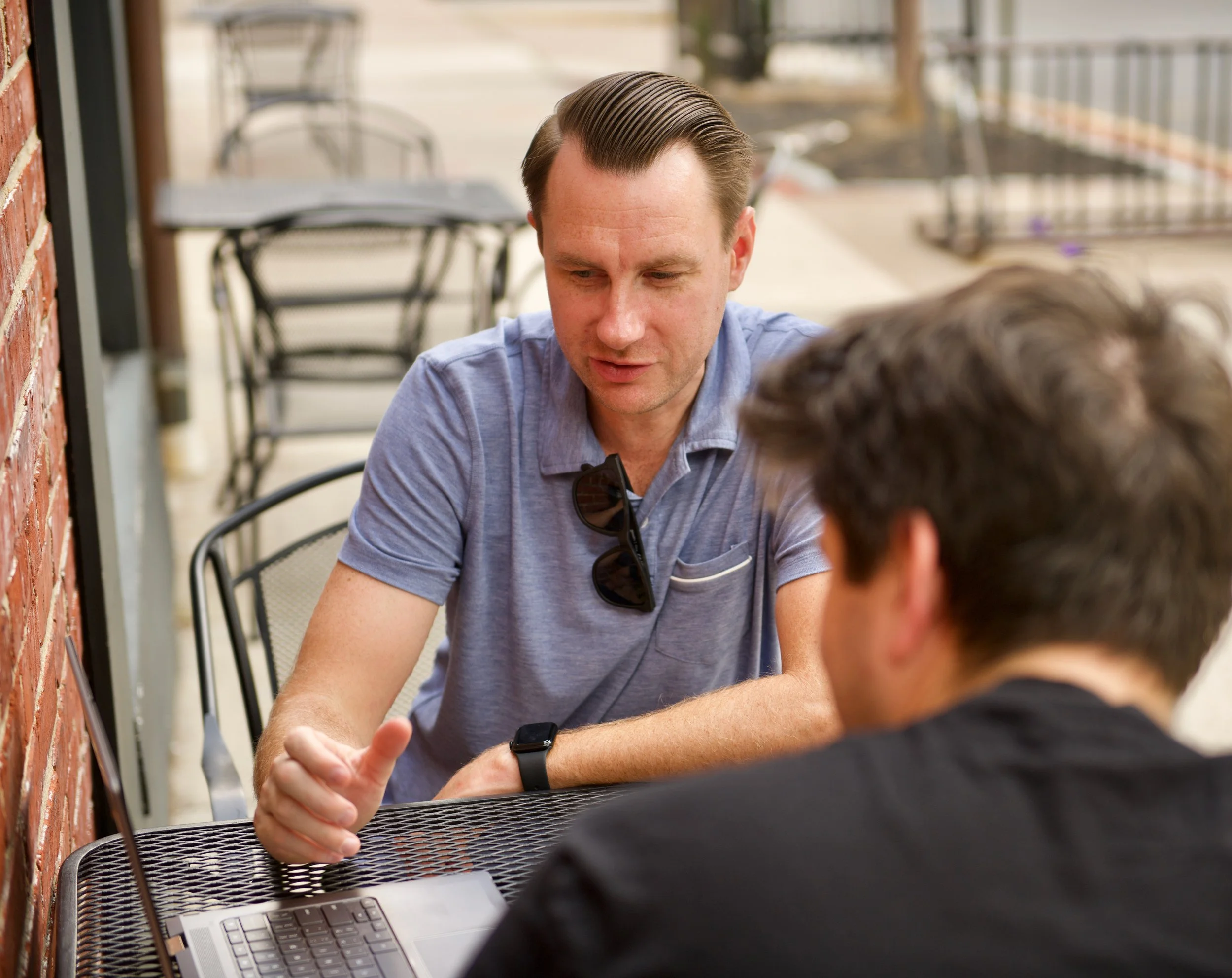
In addition to client work, Lee volunteered to start managing the firm’s own marketing. “Our website was outdated. It was a classic case of the cobbler’s kids having no shoes. I had built and managed sites before, so I asked if I could take on rebuilding myself. It was a great opportunity to grow that side of my skill set.”Along with the relaunch, and in keeping with his background as a writer, Lee also started an email newsletter for the firm. “The idea was to build a tighter relationship with existing clients and demonstrate our expertise to prospective clients. I created something short and insightful that they’d have time and interest to read every week. We were focused on using storytelling techniques in marketing, so we called it Long Story Short. It’s still going today, almost a decade later.”
Over time, Lee began realizing that what he was enjoying most was the work he was doing for Braithwaite itself. He decided to look for an in-house marketing position where he could put all of his energy and effort into one brand. He was ultimately recruited to be the first Director of Content at Dorman Products, a publicly traded auto parts company in Montgomery County, PA.“They were just starting to invest in marketing. I was hired with one direct report and no real strategy in place. I quickly developed a plan, got leadership on board, and within a few years was overseeing a 16-person creative team. We were producing all the product content and marketing assets for what grew into a $2 billion enterprise. We called ourselves an in-house agency, with writers, designers, photographers, videographers, and web developers all working together.”
Lee’s team also received national acclaim, winning awards from the Content Marketing Institute, Association of National Advertisers, and the Auto Care Association, the industry’s leading trade group. “It was pretty surreal. I was giving presentations on our process to groups of other marketers who were all at major household name brands, like Bank of America, Disney, and Kraft Heinz. At the same time, I suggested we start submitting to an annual industry competition for best website, and Dorman has won first place every year since.”

However, in December of 2024, Dorman laid off dozens of directors and managers across the organization, cutting costs due to an array of mounting financial pressures. “I was totally shocked. We had been crushing our goals, and we were just starting a massive project to overhaul our product packaging and retail brands. It was definitely a good life lesson. I never wanted the feeling again that my career could be controlled by someone else just looking at a spreadsheet of names and salaries.”
Luckily, a few years earlier, he had started his own company called Procida Media to help a few small businesses on the side. “I had a friend who started his own graphic design business, and he would occasionally reach out to me and say, ‘I’ve got a client who wants a logo, but they also want marketing support, which I don’t do. Do you have time to talk to them?’ A friend of the family also reached out saying, ‘We spent all this money on a billboard and didn’t get any leads from it. We need a better strategy.’ So I began helping a few of these small business owners on nights and weekends. In fact, I’m still working with some of those first clients today.”
“When we moved to Haddonfield, across from Mountwell Park, I changed the name to Mountwell Marketing. We started getting more clients than I could handle in my free time, so Elisa started helping out as well.” But, as fate would have it, Elisa started a new job one week before Lee’s job ended, so Lee suddenly found himself working on Mountwell full-time in addition to applying for jobs.
The job market was more challenging than he expected. After months of applying and interviewing, he still didn’t have an offer. “At one point I was interviewing for jobs at two huge brands, and I was feeling confident about getting one or both positions. I told my friends, ‘If I don’t get either of these jobs, I’m going to stop wasting my time applying elsewhere and go all-in on Mountwell.” When he heard that both chose to hire internally, he decided to bet on himself. “I redid my website and let everyone in my network know that Mountwell was fully open for business. Luckily, my existing clients started referring me to others. Then the ball kept rolling, and people started finding me. The first six months were scary, but by the beginning of 2025, I was already booked solid. By the middle of last year, I was making more than my previous salary. Even though that was naturally my goal, it was hard to believe when it actually happened.”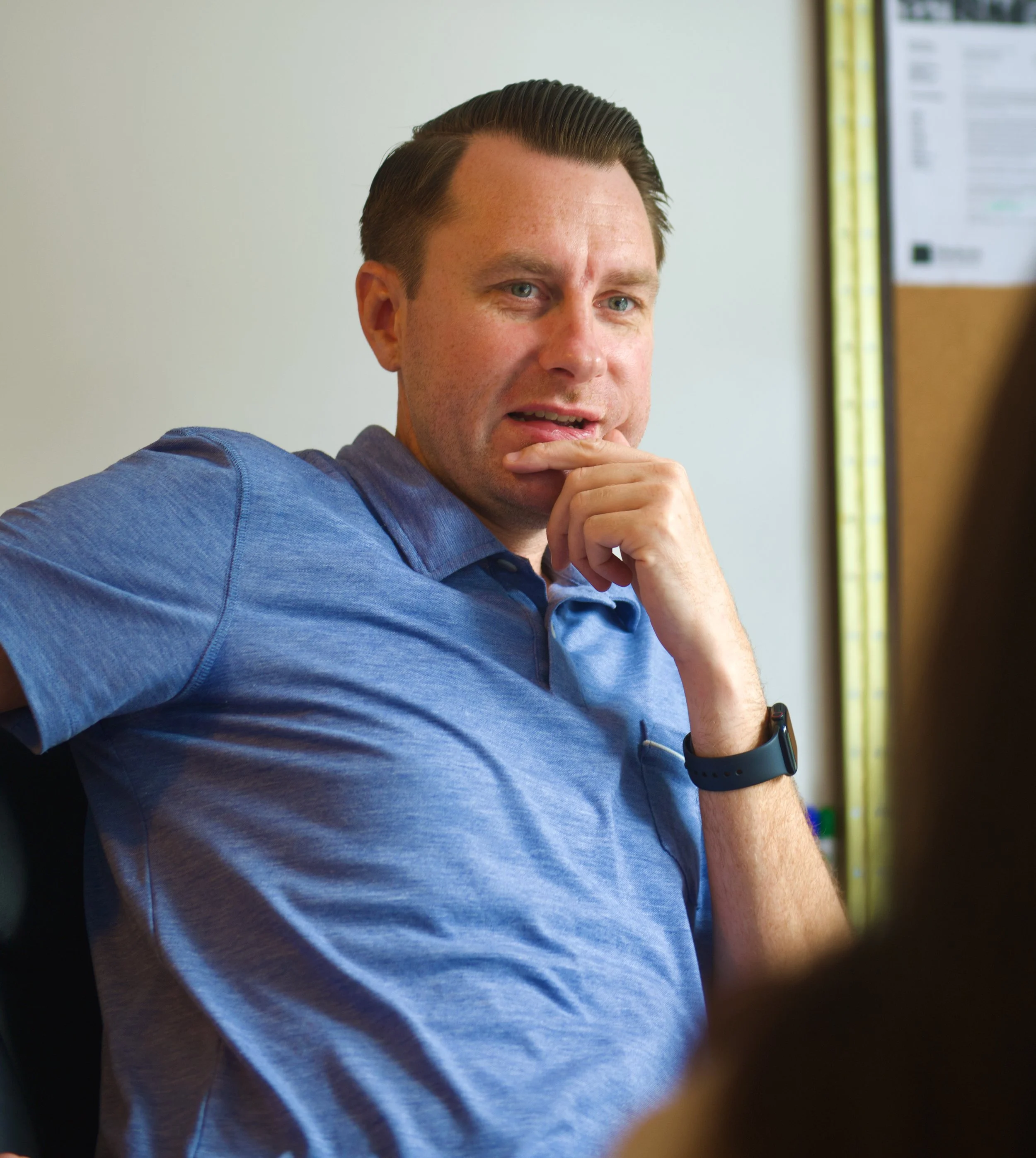
Mountwell Marketing is all about helping small businesses. “Working with big companies is much less personal, and it’s harder to see the impact you’re having. Now, every client I work with becomes a friend, and when you do a good job, the results are unmistakable.” He’s found that many business owners want someone they can fully trust. “A lot of clients have told me they want to work with someone local, not an agency or freelancer in another city or another country. They are looking for somebody genuinely trying to help them and not just trying to sell them something, someone who can help them build a plan and get it done.”
Whereas many agencies or freelancers only handle one or two aspects of marketing, Lee provides the full range of services a business needs. “Most business owners don’t even know where to start, so just throwing buzzwords at them is more confusing than helpful. I’ve always believed in taking a more holistic approach, building a plan that’s based on what’s most likely to work for their specific business. This might be a completely different set of activities than I would recommend for another company. I have yet to meet another agency that will rebuild your website, set up and run Google Ads, and also make your business cards and yard signs.”Lee tailors his services to meet the needs of each client he works with. The budget for each project entirely depends on the client’s preferences for scale and timeline. “I can work with nearly any business of any size and give them a plan that matches what they want.”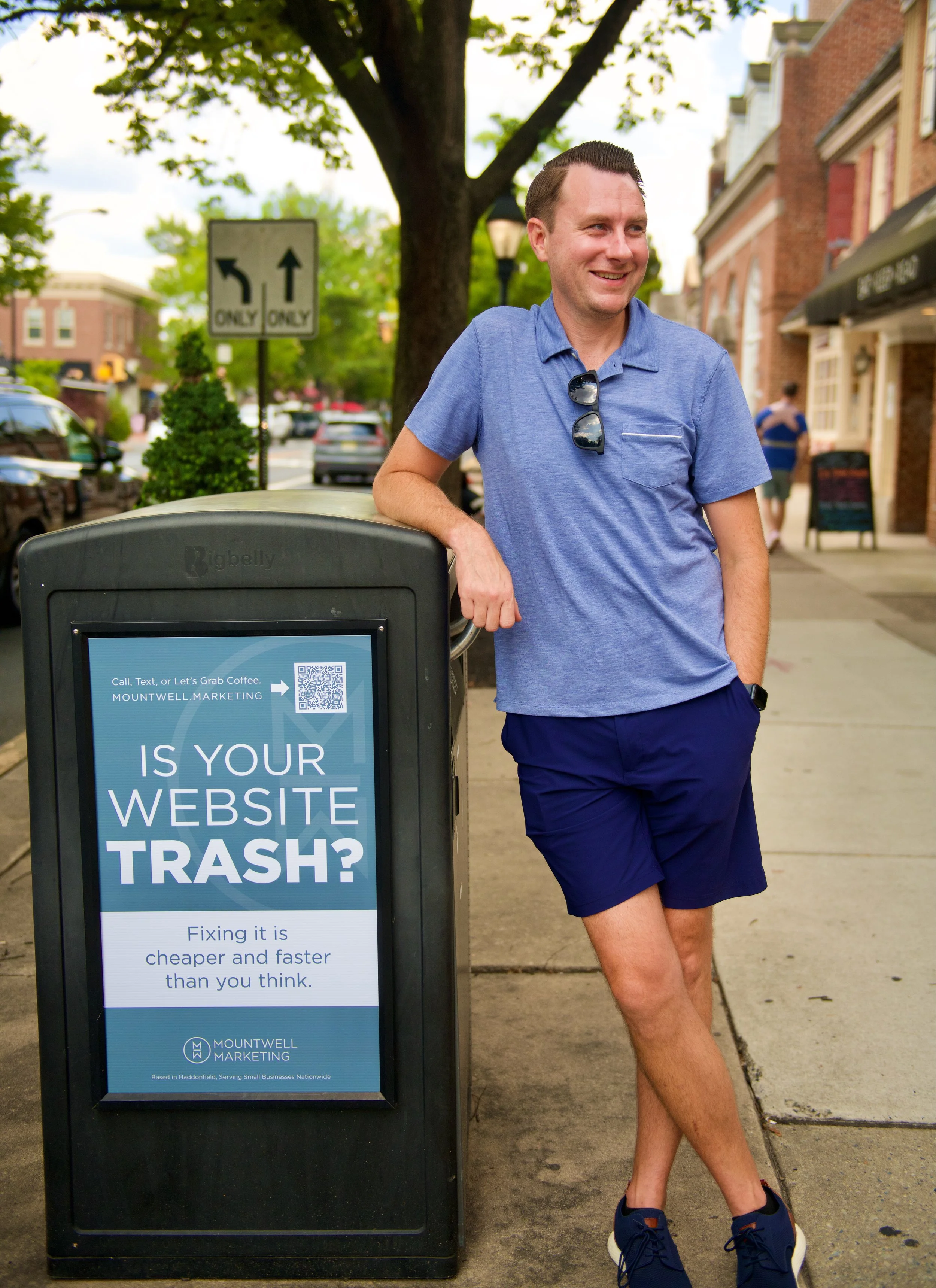
Lee also hasn’t given up his love of writing. He started his own email newsletter, Mountwell Minute, to give recipients brief marketing tips every Monday morning.
I asked Lee how AI has impacted him and the marketing sphere in general. “It’s changing so fast; things that were not at all possible a few months ago are now like nothing. It can help me solve problems that, in the past, would have taken hours of looking through technical documentation. That means I can be much more efficient and effective, delivering better work faster for my clients, and being able to work with more clients in general.”
That said, he also believes that AI will always have limitations when it comes to small business marketing. “A lot of people want to have coffee and talk to an actual person. Everyone already hates AI customer service agents. There’s a human element to local marketing that you can’t take away. You need someone to physically go to your space to take photos and video. AI isn’t going to know your business hours or that you just hired a new stylist at your hair salon or what type of products you have or what services you offer. It doesn’t know that unless a person with knowledge of what’s happening in the real world knows that. There still needs to be someone who translates what’s happening in the real world over to the online world.”Lee mentions that AI is just a tool like any other, and a more knowledgeable person is able to make better use of it. “I get responses from AI all the time that seem ok on the surface; the way they’re worded is very convincing. But given my experience, I can immediately spot flaws in the logic, or critical missing pieces it overlooked. You still need a knowledgeable human in the loop.”
For Lee, the success of Mountwell Marketing has been a dream come true. “I had thought about doing this when I retired. I was on a corporate trajectory; I kept getting more responsibility, I became more involved in leadership, and I figured maybe when I retire, I would be able to do marketing consulting on the side. Going out entirely on my own seemed too risky. Now I’ve not only proven I can do it, but I know I’m still very much just scratching the surface of my potential.”