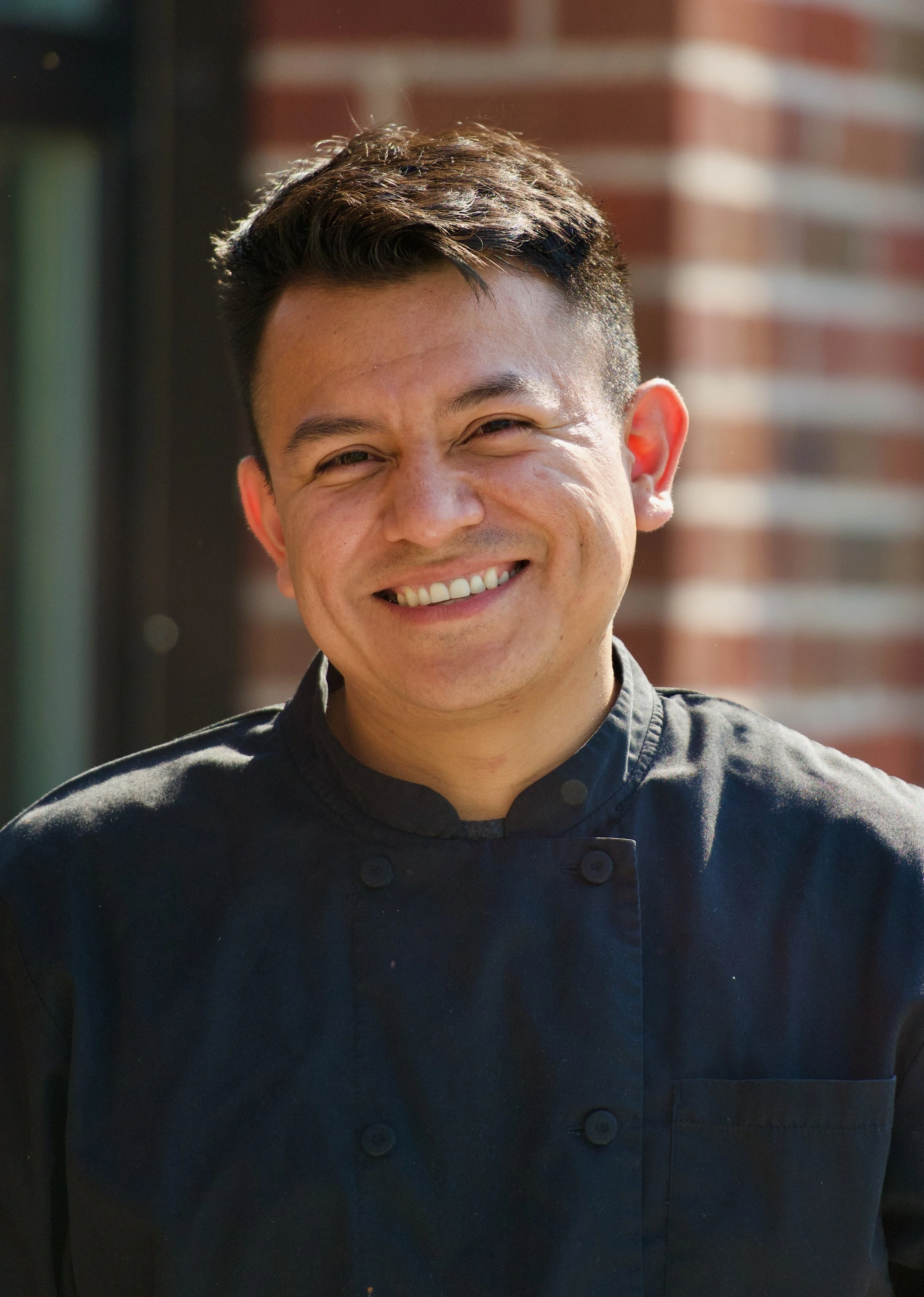
Hopewell Fare Cafe
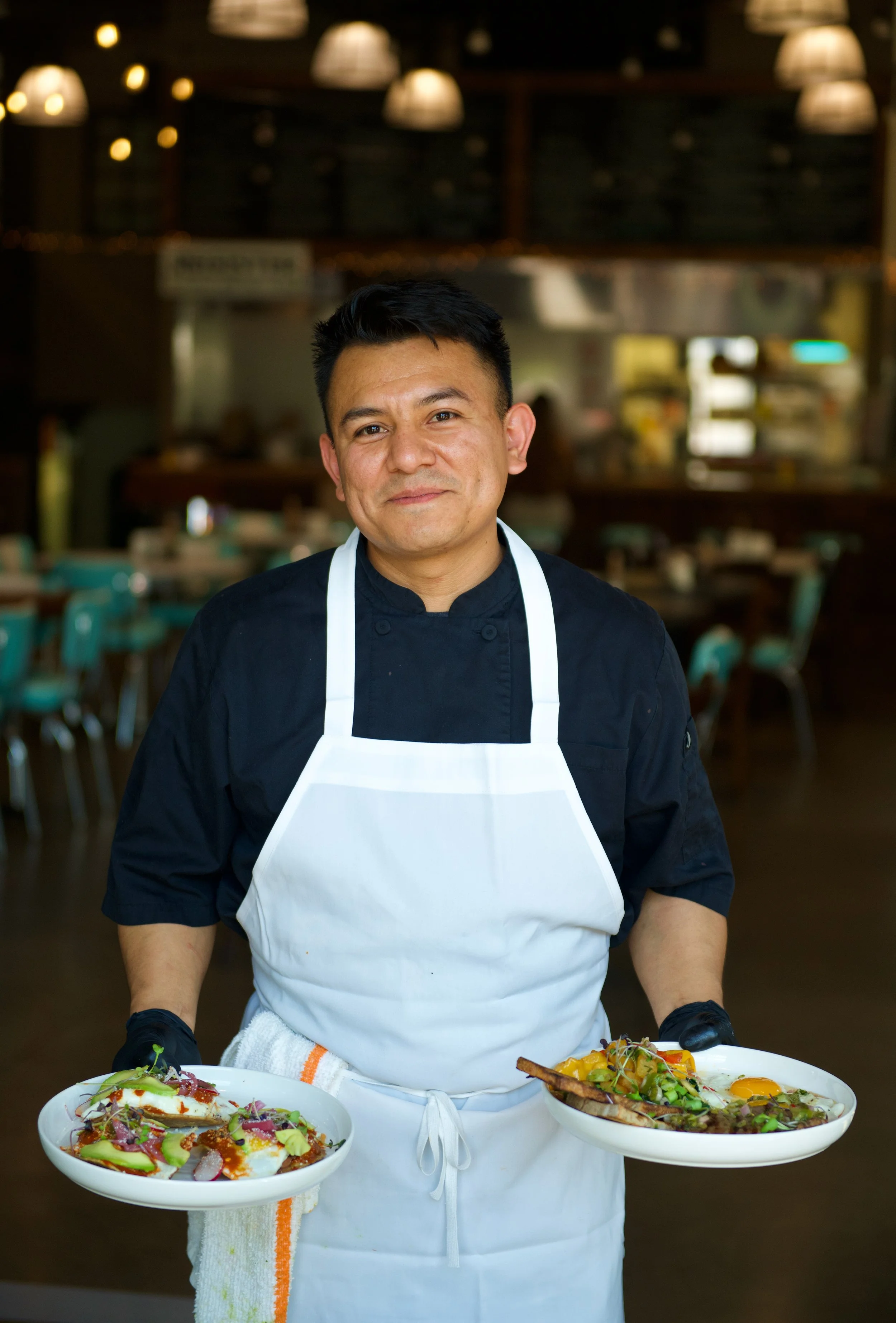
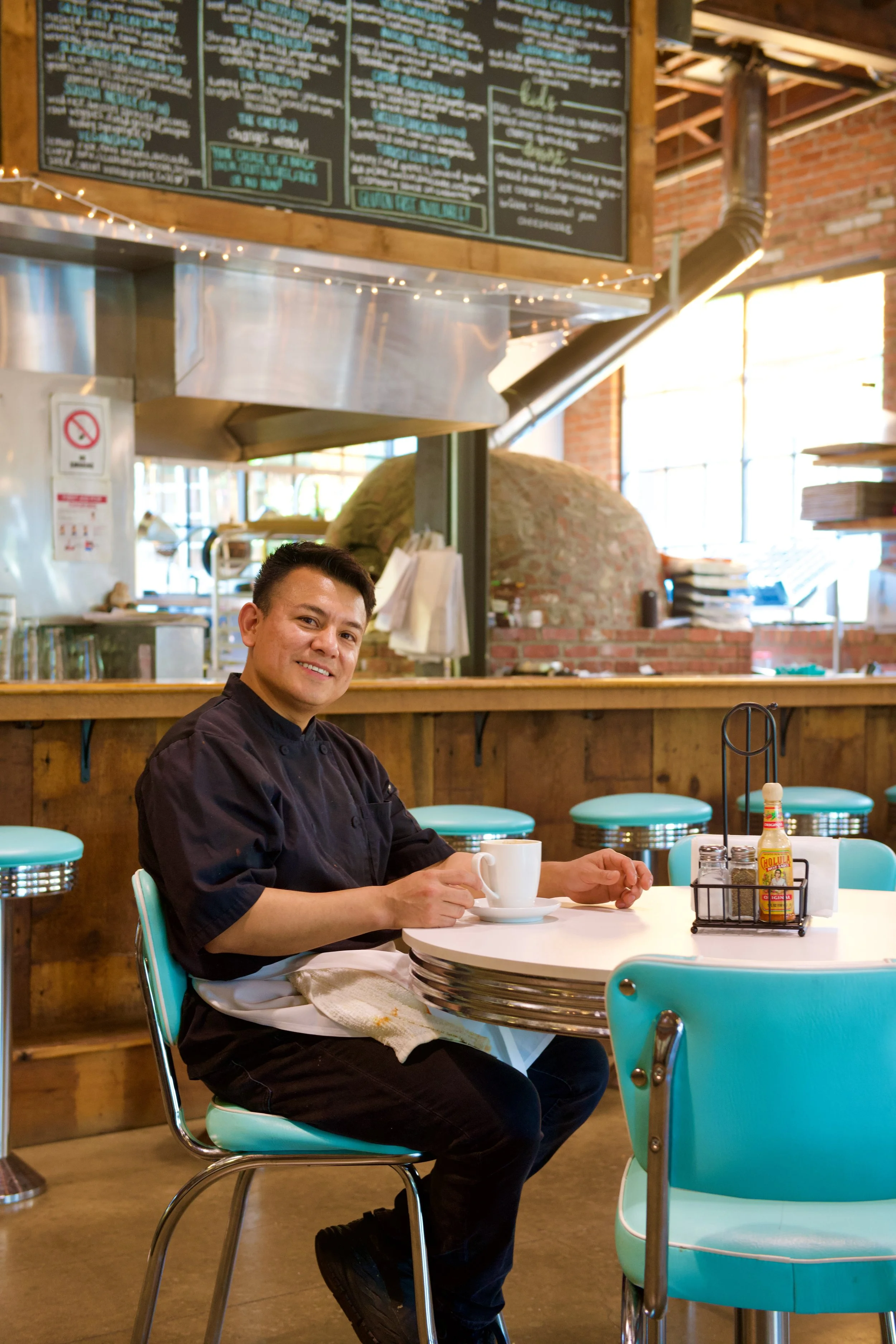
For nearly a decade, Miguel Gonzalez had a clear dream: to open a restaurant of his own. Not just a restaurant, but a dining experience that could combine healthy, delicious, farm-to-table food with community connection. For a while, the path to bringing this dream to life was unclear. But now, a year and a half after opening Hopewell Fare Cafe, Miguel stands in disbelief over how his vision has evolved - it is beyond what he had ever imagined.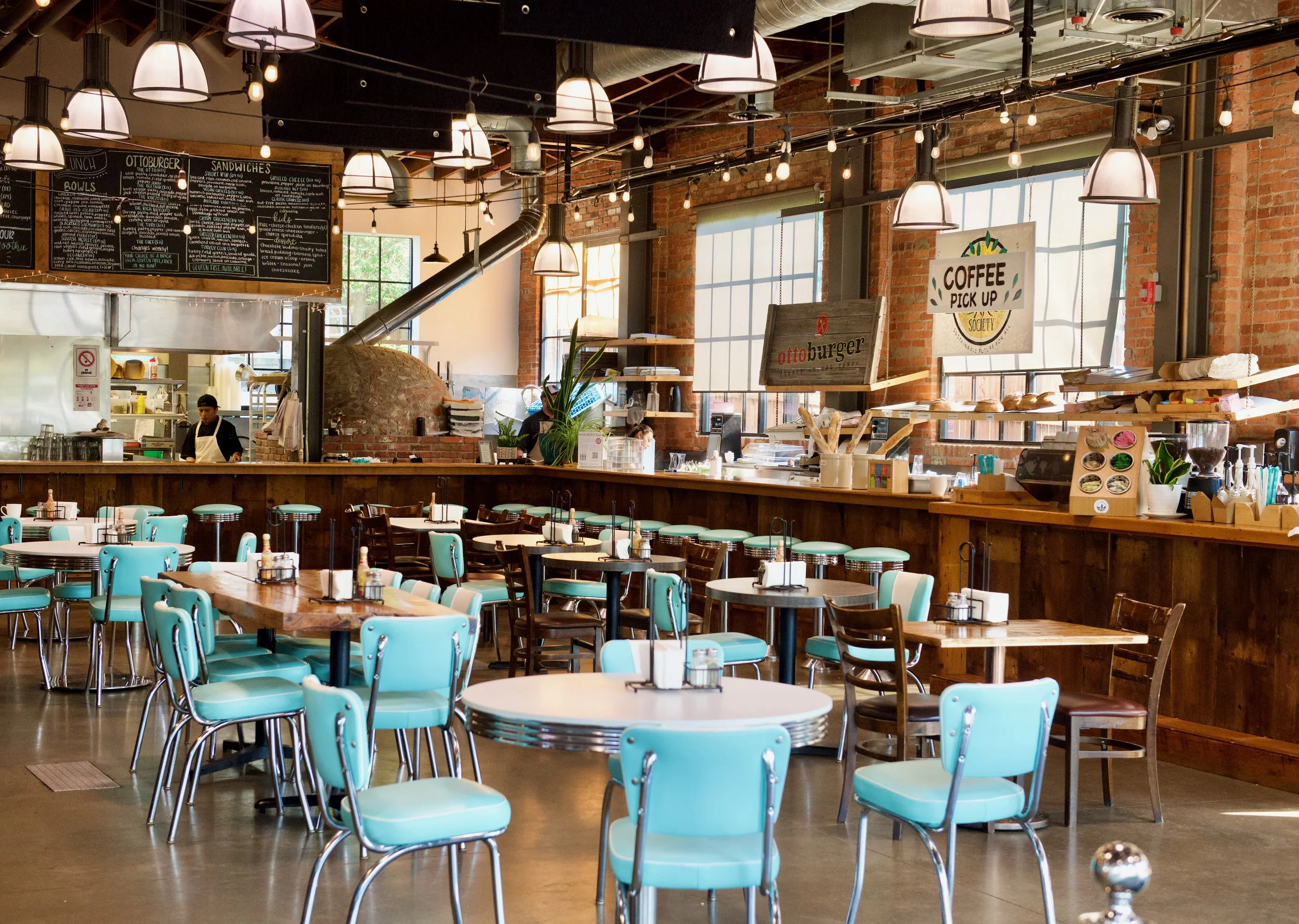
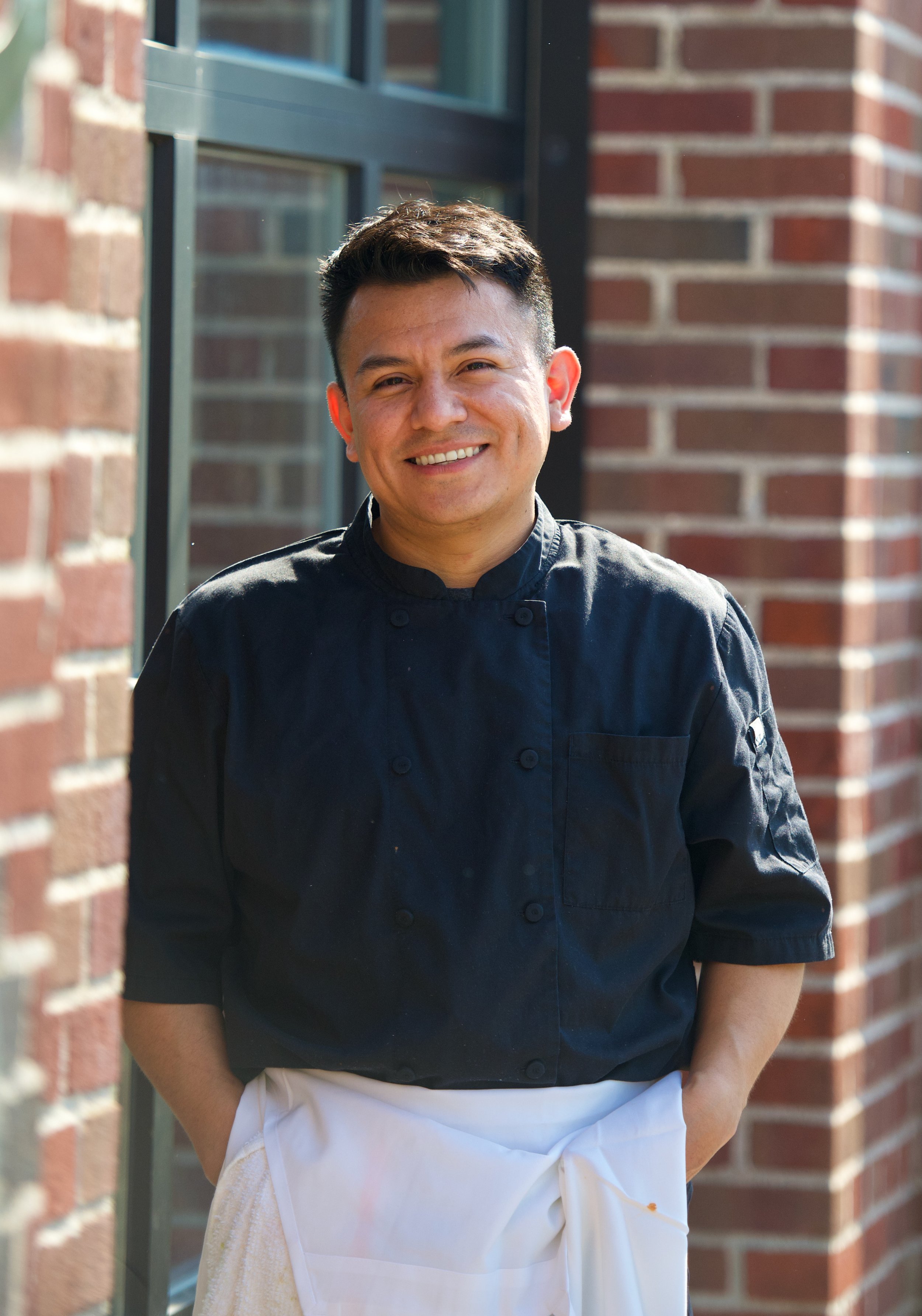
Originally from Guatemala, Miguel grew up with his grandparents. His family owned chickens, pigs, and ducks, and Miguel’s grandfather grew his own fruits and vegetables. There wasn’t much they needed to purchase from a store, and everything they ate was fresh. Miguel’s grandmother cooked all the time - soups, fresh salads, barbeques - and meals were always eaten together as a family. For Miguel, food was always seen as something that brought people together.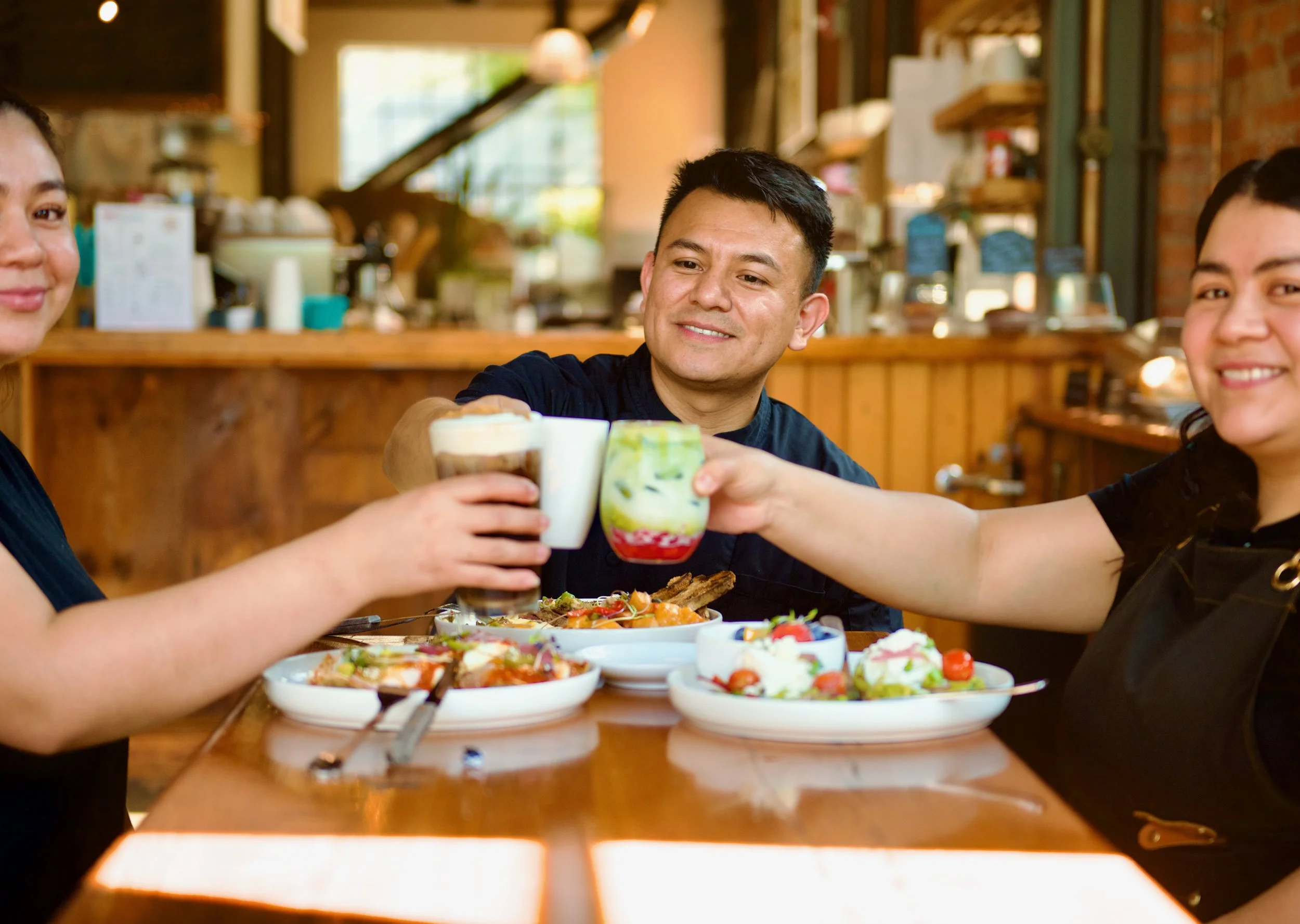
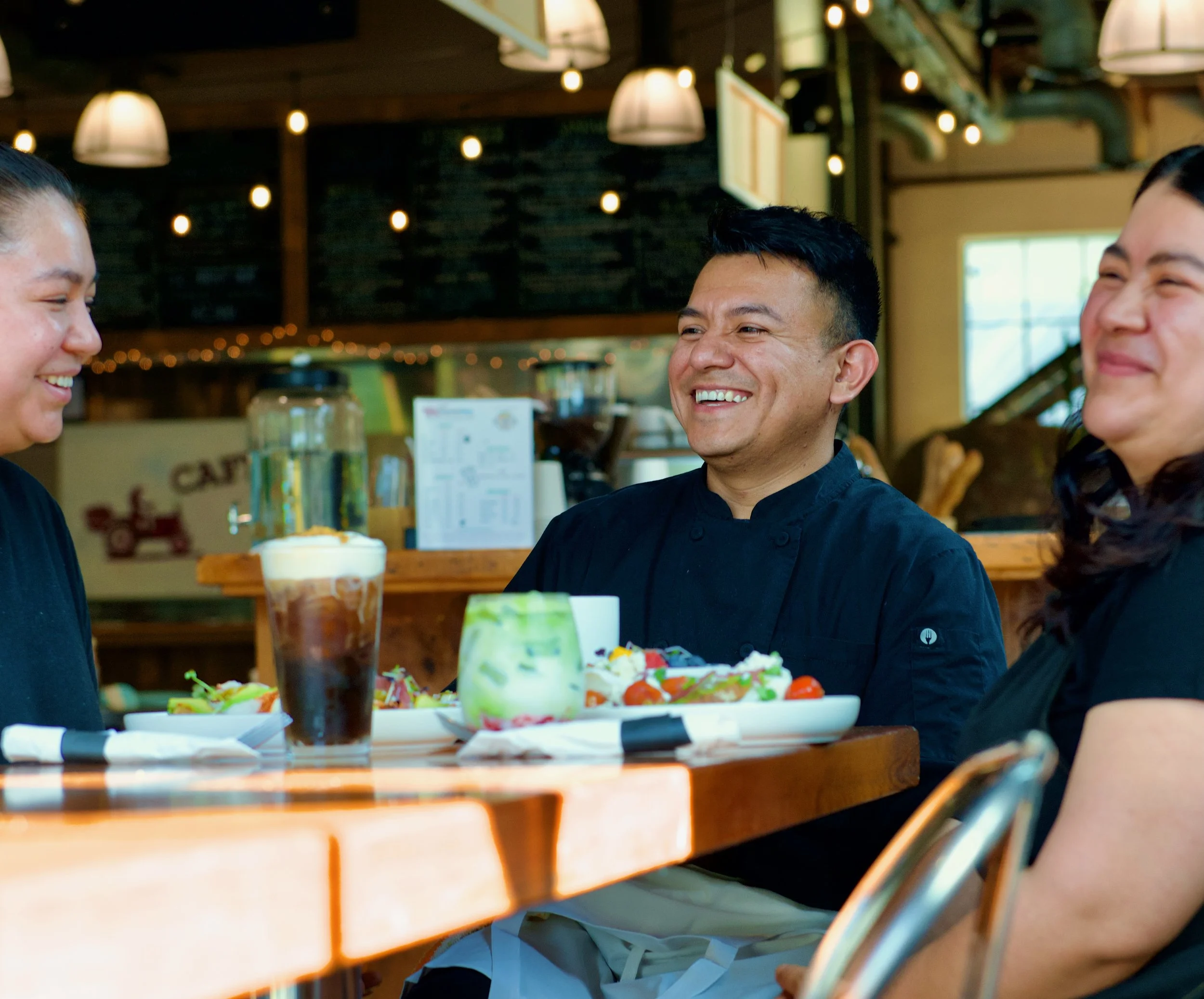
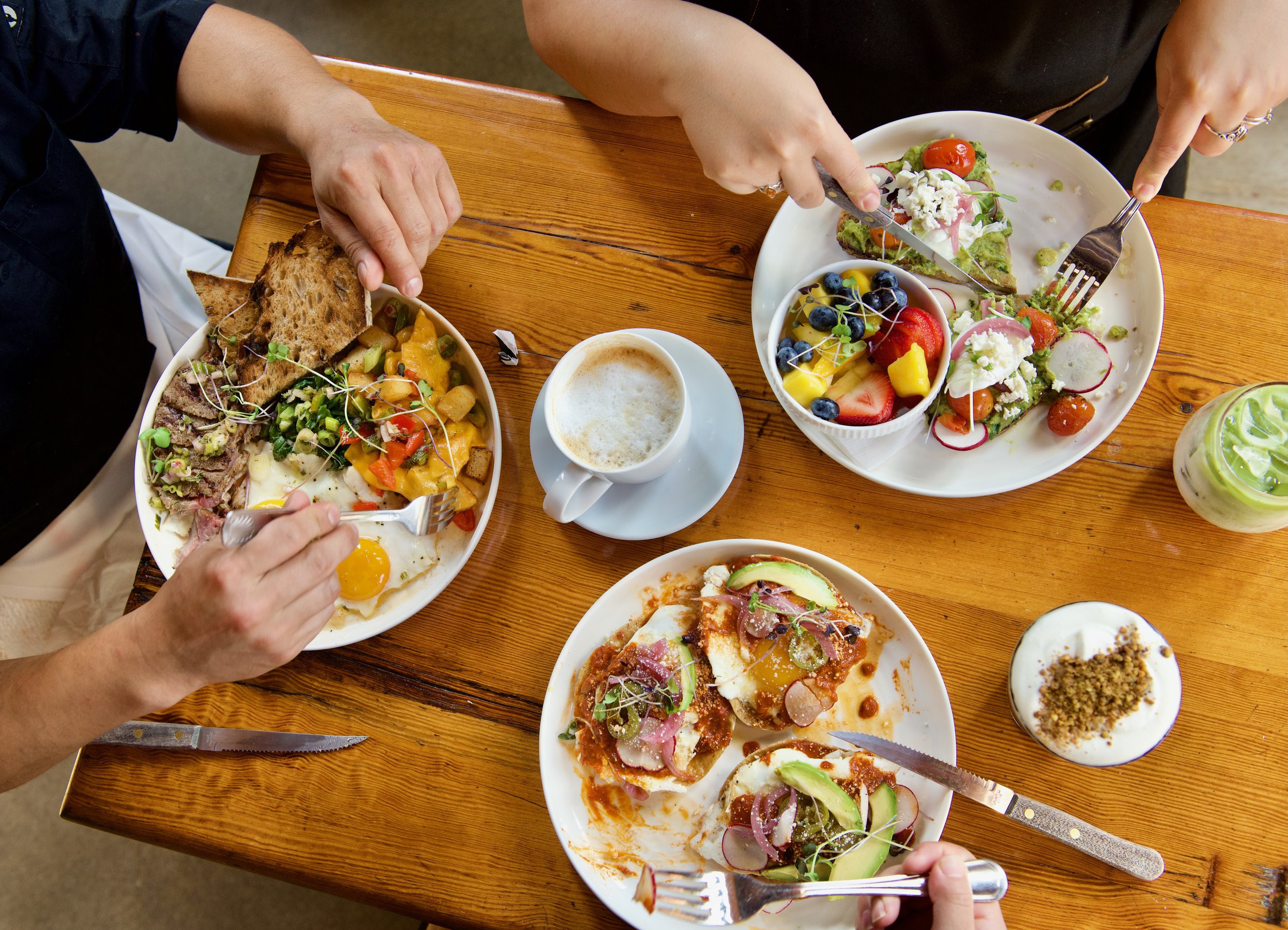
After moving to the US in 2014, Miguel began working in a bakery. While this was a positive experience, he was interested in working with other types of foods as well. His next position was in the Princeton University eating clubs, where he became exposed to a wider variety of dishes and how to prepare them. “I started to see different foods and different plates. In making sauces, I started to learn that this ingredient, plus this other ingredient, gets you this flavor. If you use more of this ingredient, you get another flavor. I thought to myself, ‘Wow, I really like this.’ Other people started enjoying my food too, which motivated me to keep going. So I started learning. I was learning as much as I could at the time.” Miguel started taking jobs at a variety of restaurants so that he could get a feel for different cuisines. He became a sous chef at a local Greek restaurant and spent time working at a pizza shop as well. “I learned how to make bread and how to manage dough. I learned how to do a little bit of everything. Once I became the sous chef of a cuisine, I was able to keep creating and making more dishes.” Miguel would frequently get asked, “Why are you working so hard? Why are you always busy and double checking everything?” And he would reply, "Because for me, this is not just a job. I want people to see their plate and say, ‘Wow, oh my God.’ This is what makes me happy. I want to keep going and to keep trying new things. I want to create new dishes, I want to come up with more ideas.”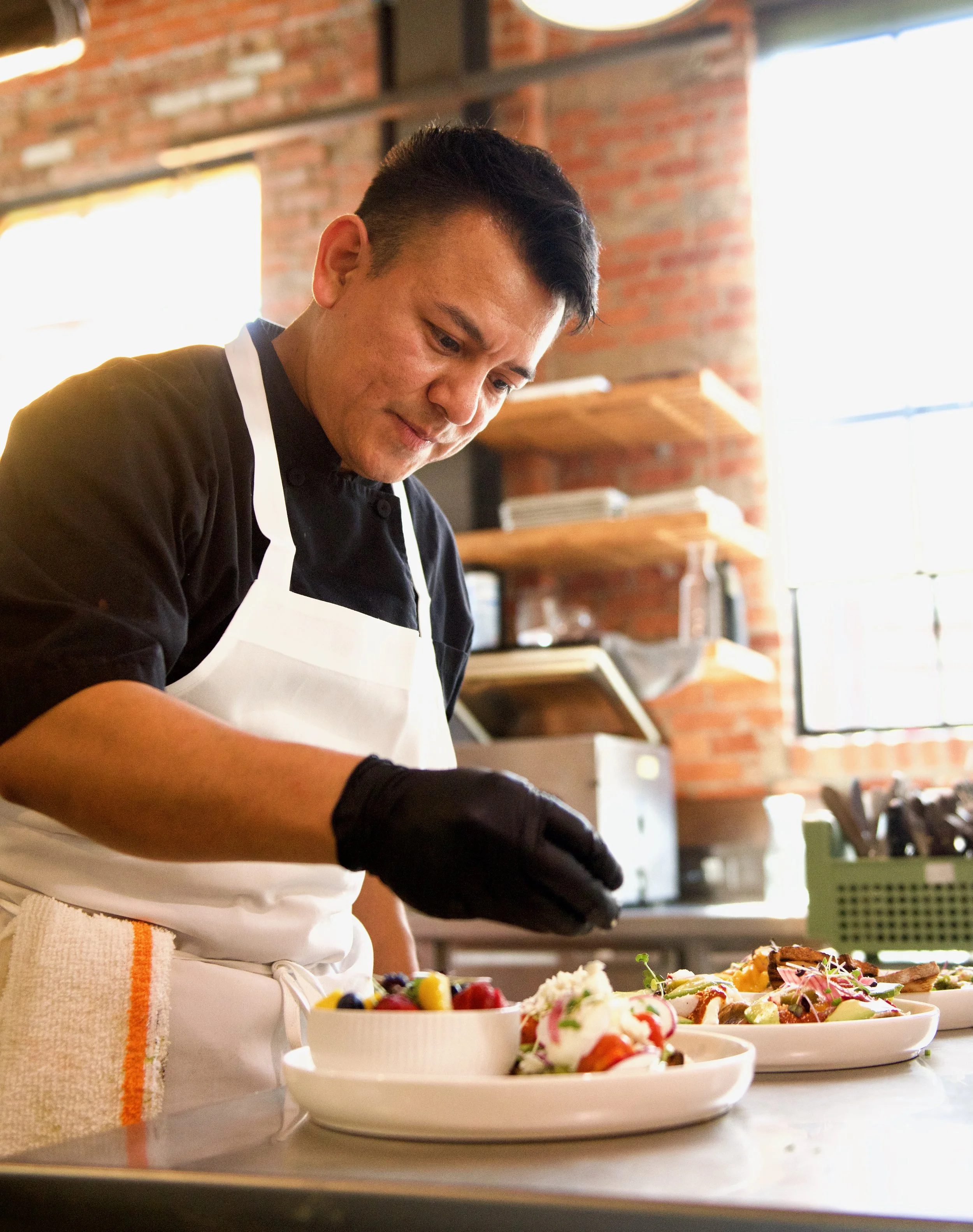
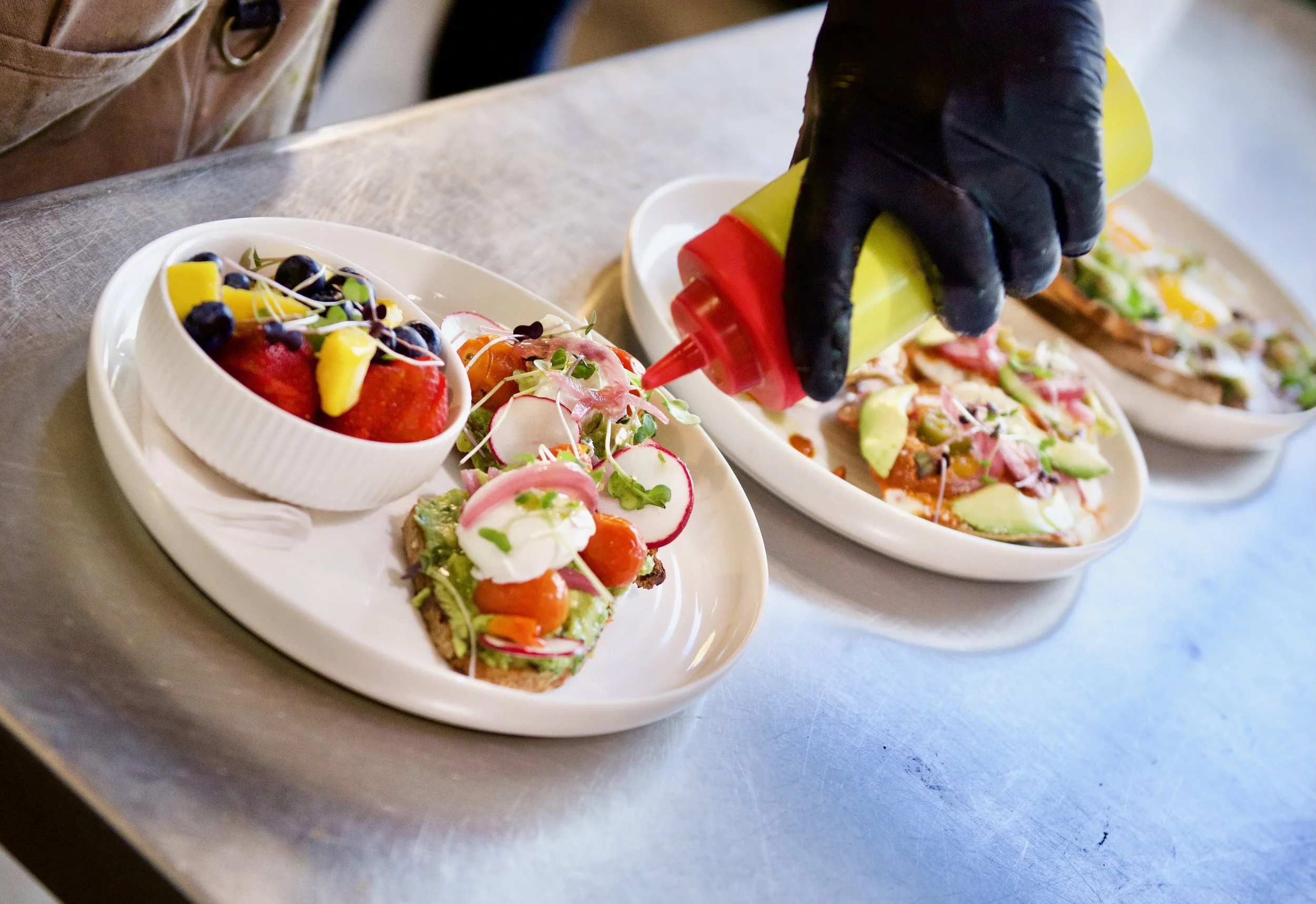
Eventually, Miguel began working at Brick Farm Tavern, in Hopewell, NJ. “It’s a farm-to-table restaurant. I started realizing that this is really what I like. Everything is fresh: fresh meat, fresh vegetables, fresh protein. Sometimes when you go to a restaurant, you don’t know how long the food has been frozen.” Every week, the restaurant would receive a new batch of food from their farms, and each week, the supply would look different. Miguel started gaining a reputation as a sous chef who wasted very little food; he could creatively find ways to ensure all of the food supply from that week made it into a dish. He began realizing that he had a knack for working in this style of restaurant. At this point, Miguel had already started dreaming about opening up a place of his own. “I had spent the last seven or eight years talking to my friends about opening a restaurant. I had been saving money for a couple years for it.” For Miguel, saving for his dream meant living very frugally, but he was ok with this. “That money was for my restaurant; I didn’t want to touch it. I didn’t want to use it for anything else. That money was for the future.’”
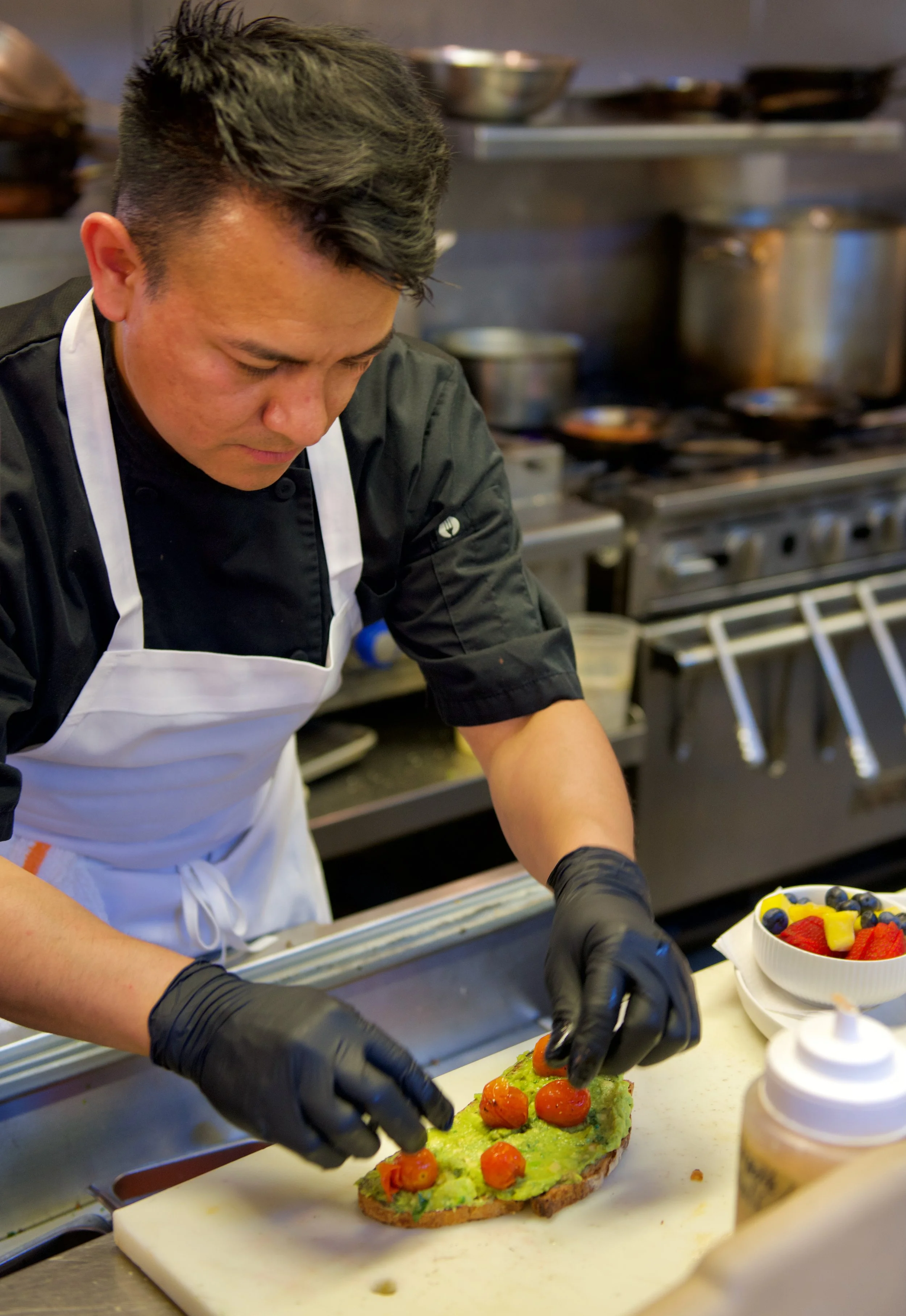
Finally, Miguel felt like he had saved enough to try to make it on his own. But the process of finding a location for his restaurant proved to be more challenging than he had initially anticipated. “I spent two years looking at spaces, but they were so bad. I would have to invest so much money in fixing them up. They also wanted a big payment upfront, and I just couldn’t afford it. I know landlords are tired of people opening up a new place and having to close after three or four months. They are skeptical. It’s not good for them either; I completely understand that. But it was looking impossible for me.”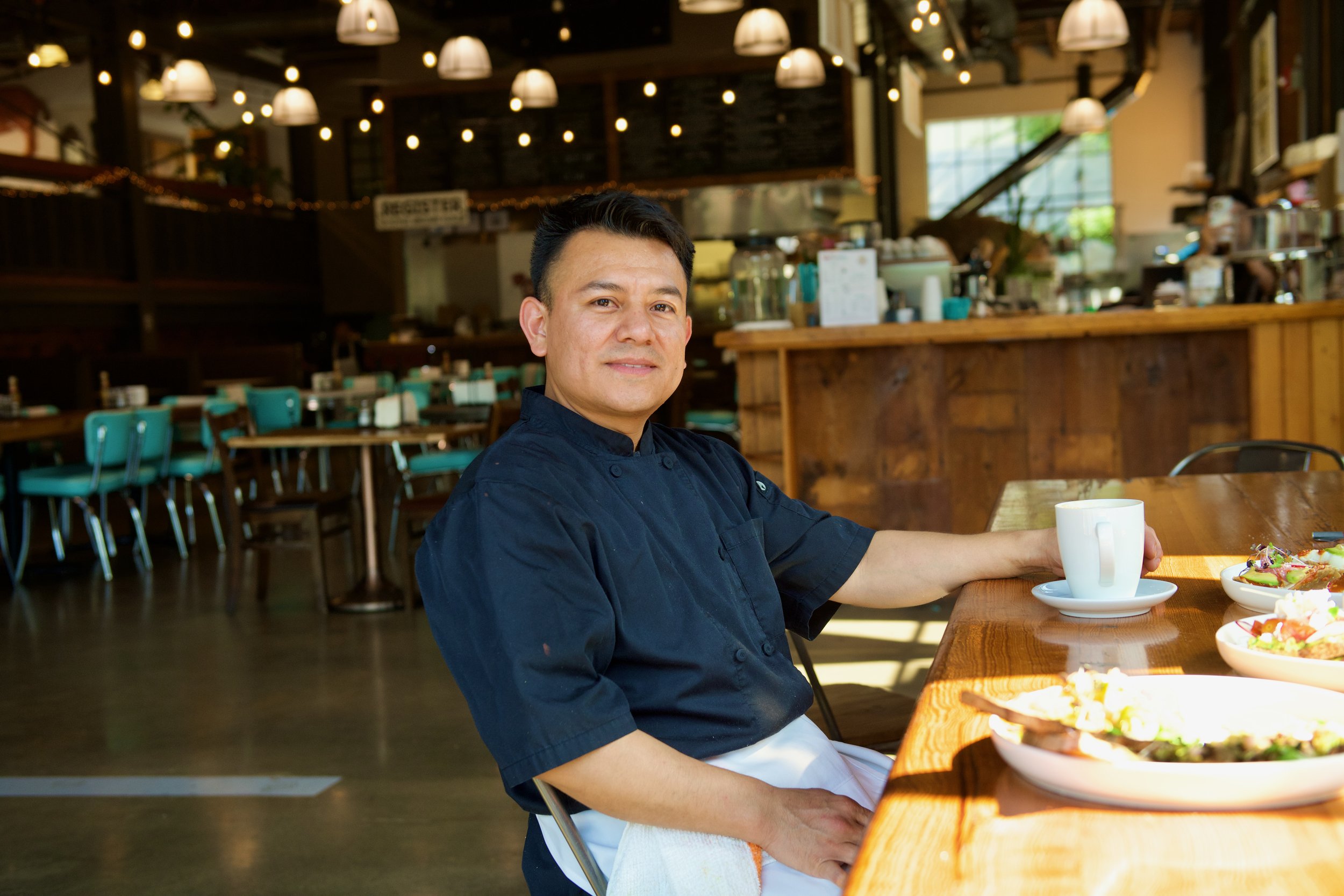
By this time, Miguel had become the head chef at Brick Farm Tavern, and he had created his own team. At the end of 2024, the owner, Otto Zizak, approached him with a management opportunity at the restaurant. “I told him, ‘Thank you so much for the opportunity, but I feel like you should look for somebody else. I am hoping to open up my own place in a few months.’ Otto said, ‘Oh no, you are leaving? You are doing an amazing job here! I see you enjoy it here. You are really happy, and you have a great team.’ He brought up a few suggestions and other opportunities to see if he could convince me to stay. But I said, ‘No, I am not looking for that. I am really looking to follow this vision.’”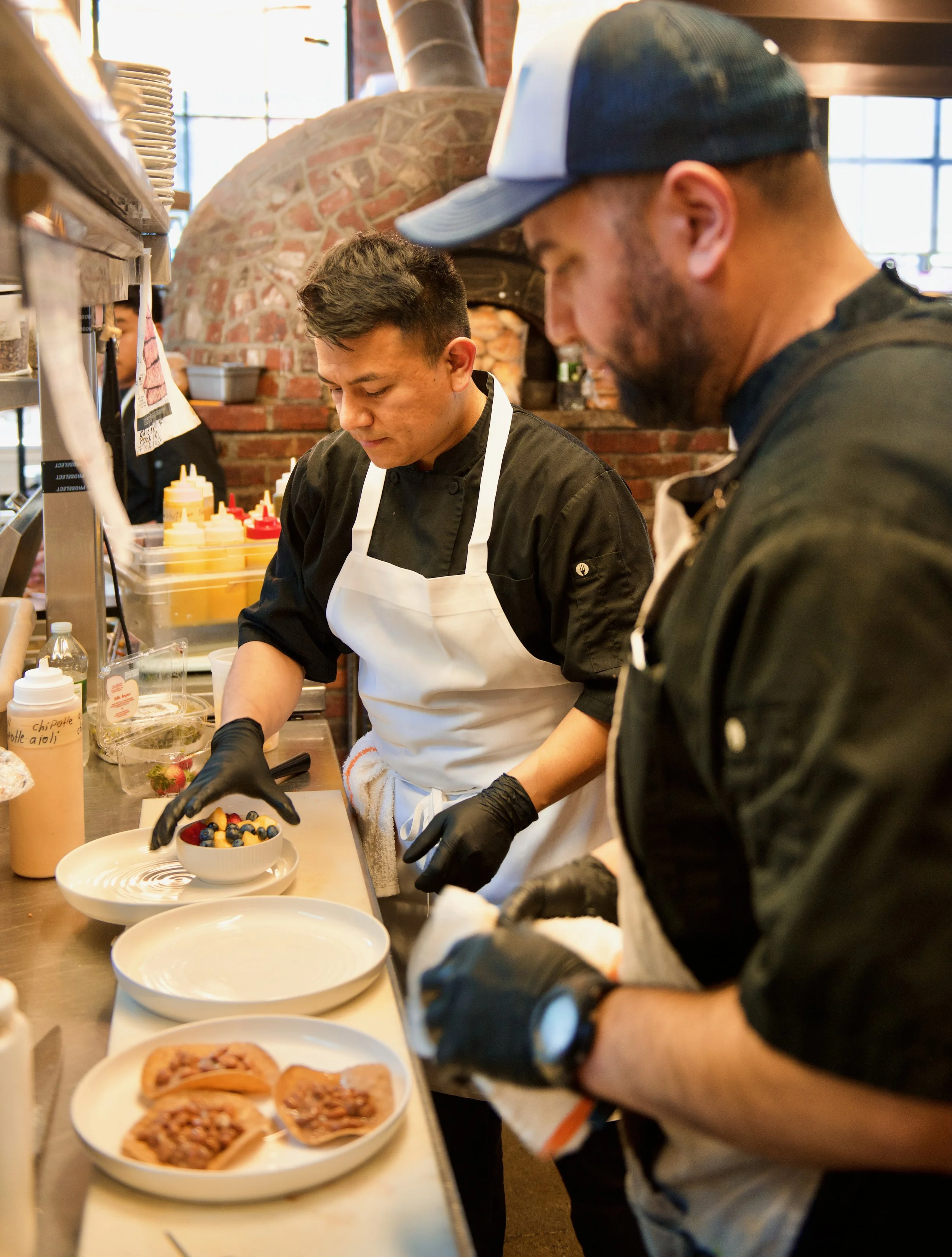
About a month later, Otto came back to Miguel and said, “I have this other restaurant down the street, about a mile away. I am trying to manage it, but I have other projects. What if I give you the place? You are a strong worker, and I know you can make something good for the town here. Just think about it; take a look. I can be your landlord, and you can have the opportunity to finally bring that idea you’ve been dreaming about to life.” 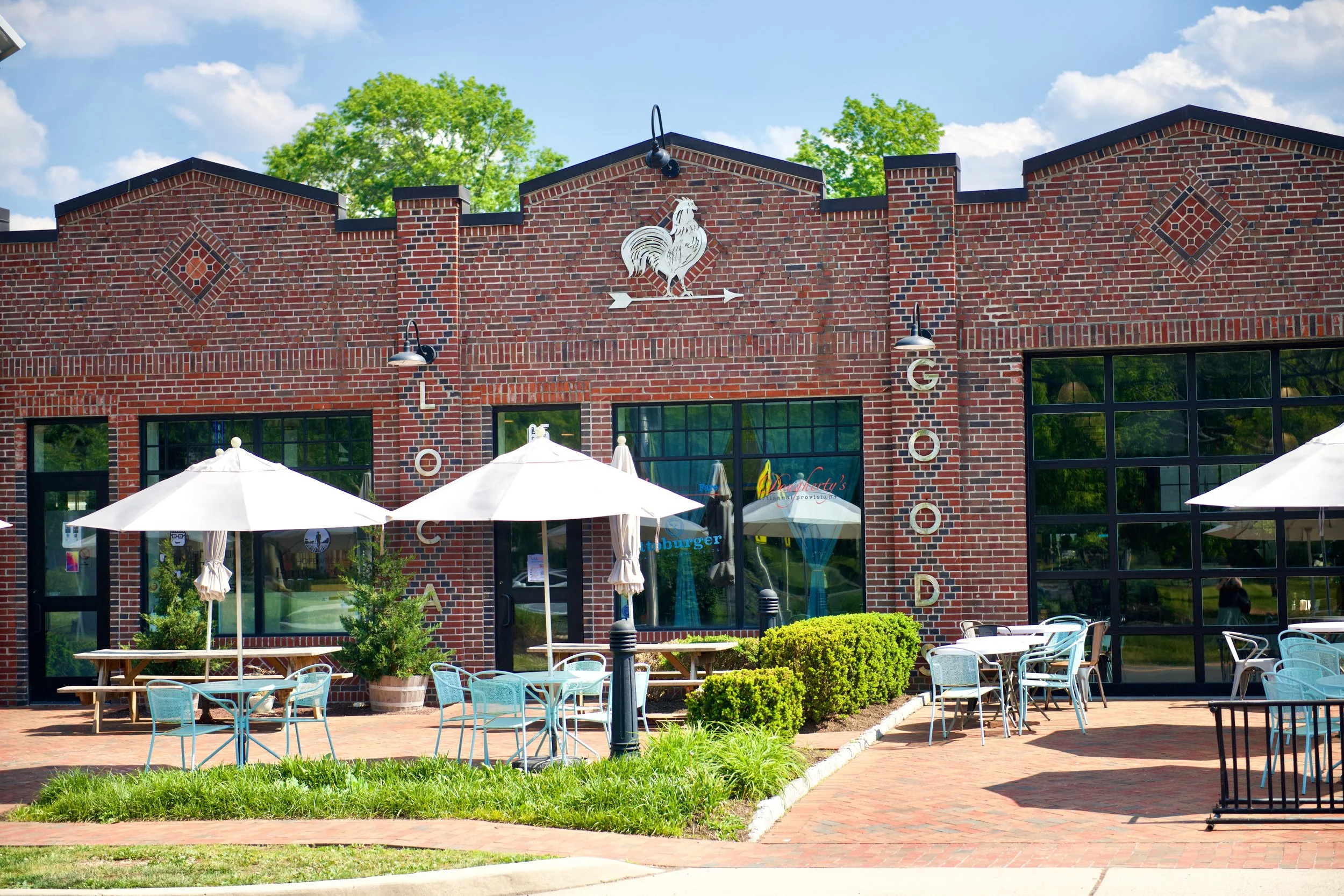
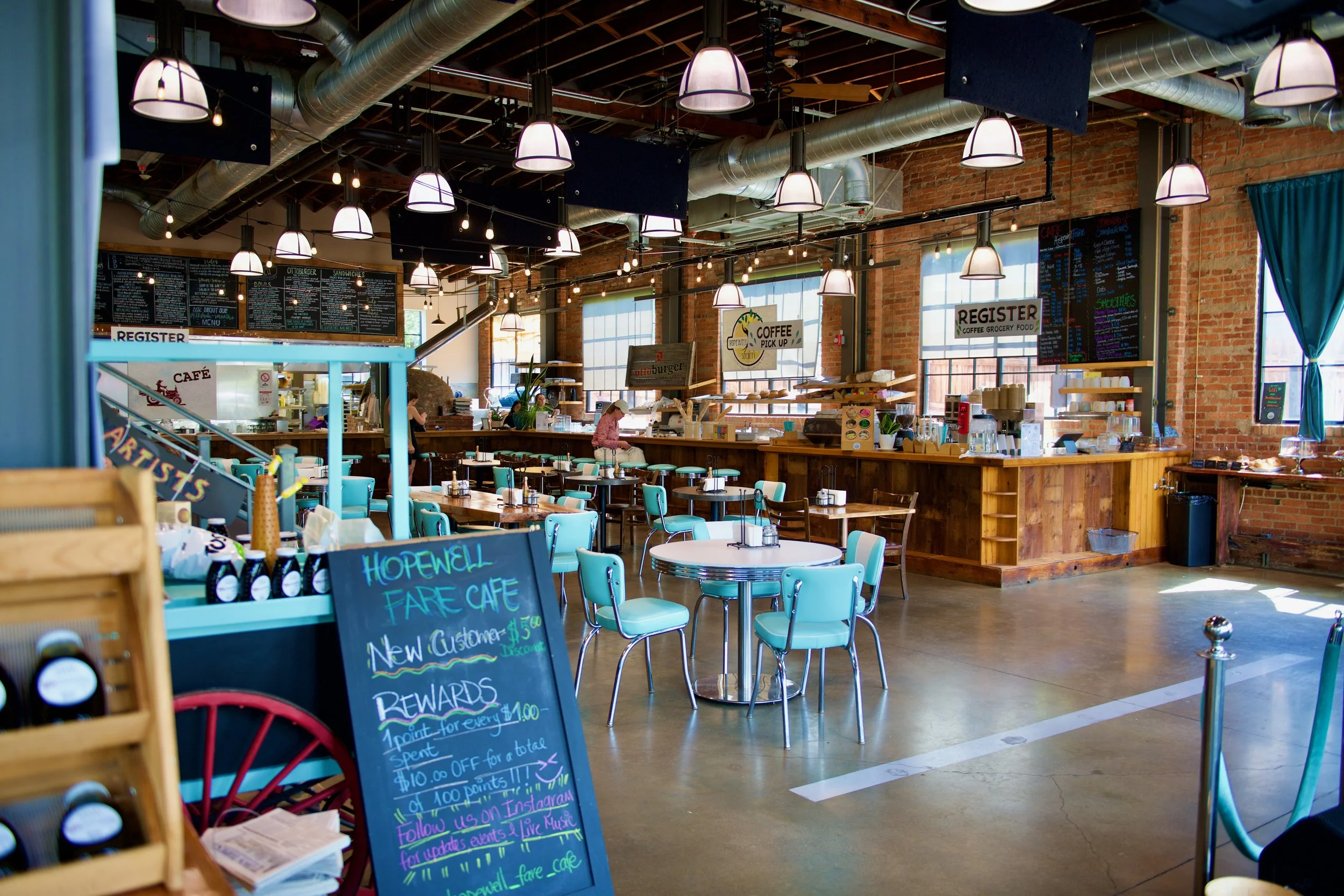
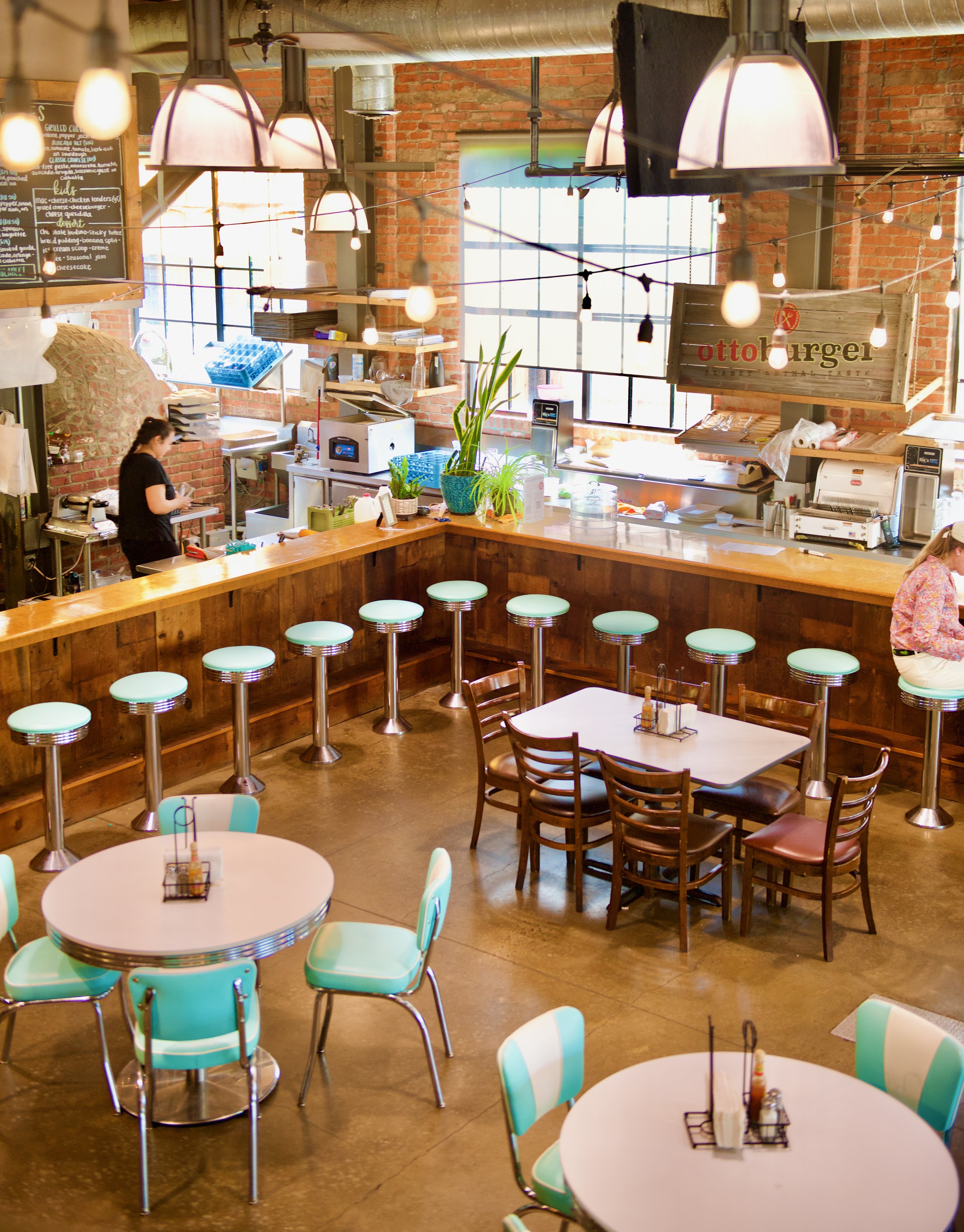
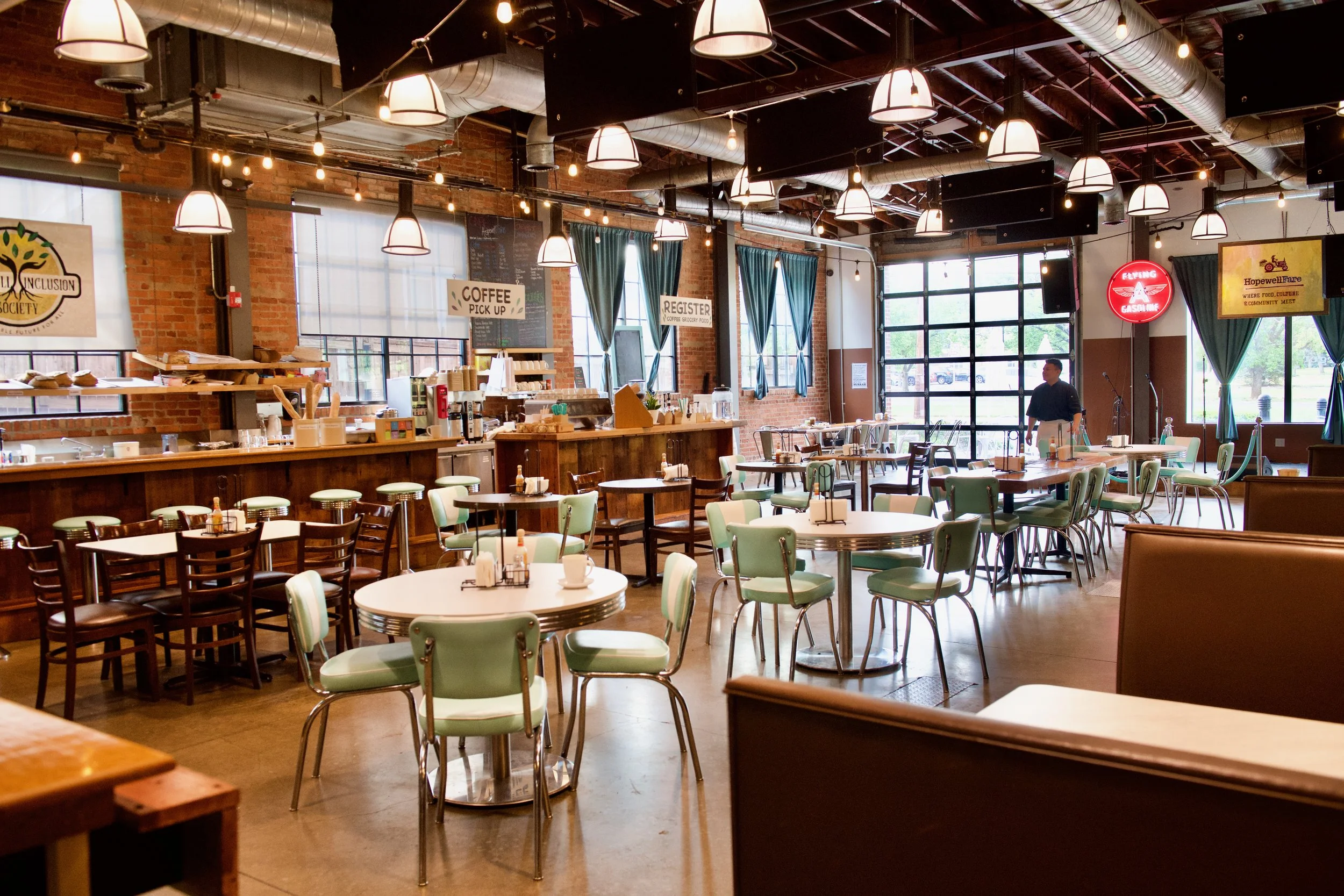
Miguel was in shock; he knew this was an opportunity like no other, and he was immensely grateful. The space was split into sections - there was the kitchen, a cafe, a small store, and a bakery, as well as a second floor landing that wrapped around the interior of the building. Miguel was told that he would be given the kitchen, and that other vendors would be renting out the other areas. “I thought, ‘Ok, sounds good!’ I opened the restaurant in February of 2025. We were only doing counter service. I had one cashier, one person to help me in the morning, and another person to help me in the evening. I was here 24/7.” After a month, Miguel was starting to see small successes. “People were coming, and people were happy.” He hired a slightly bigger staff to help support the demand. After a few months, the person who had been renting the store decided to move on, and that area was offered to Miguel as well. It worked for him, because he was able to easily stock the store by making extra portions of the food he was already preparing.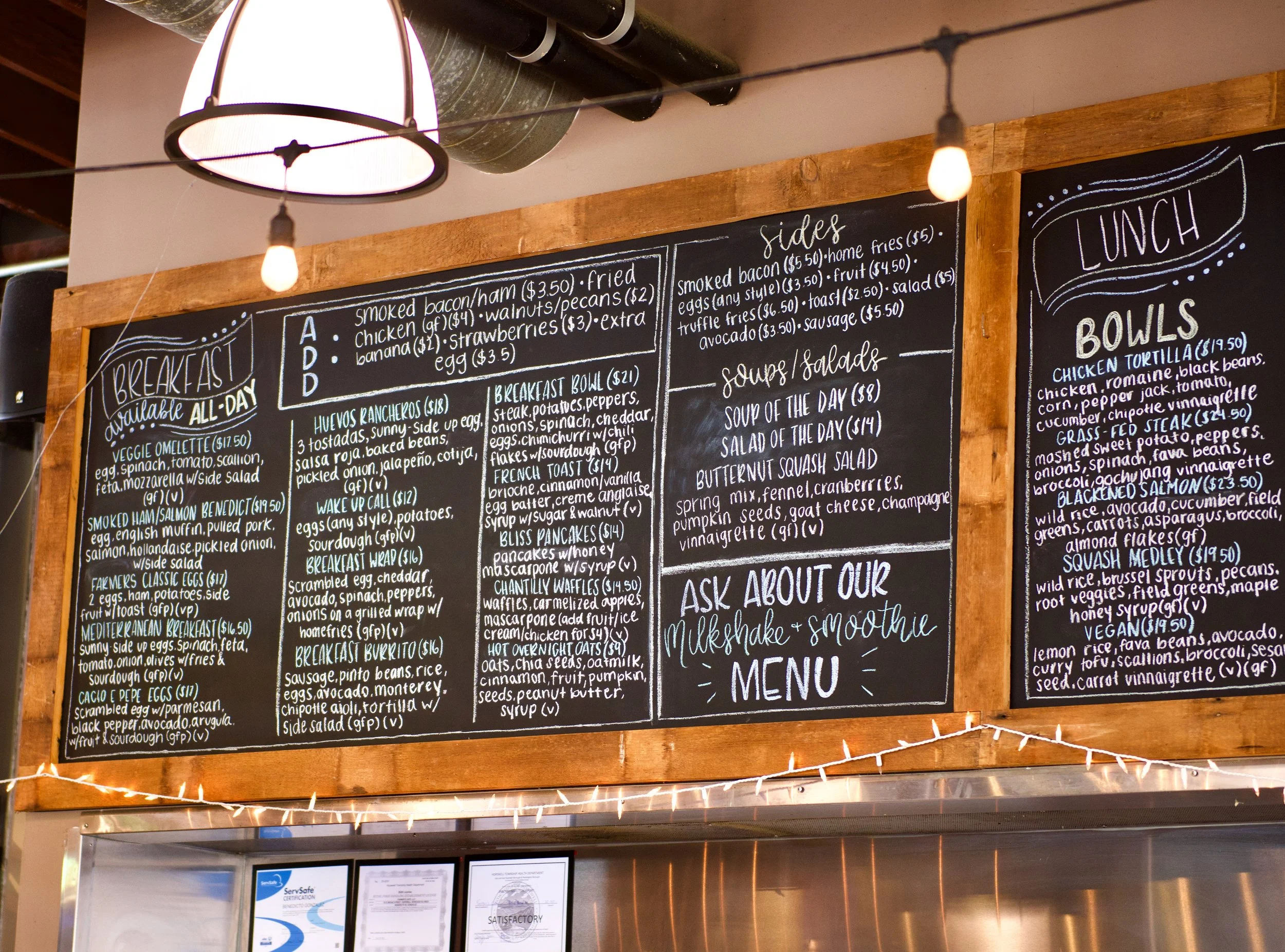

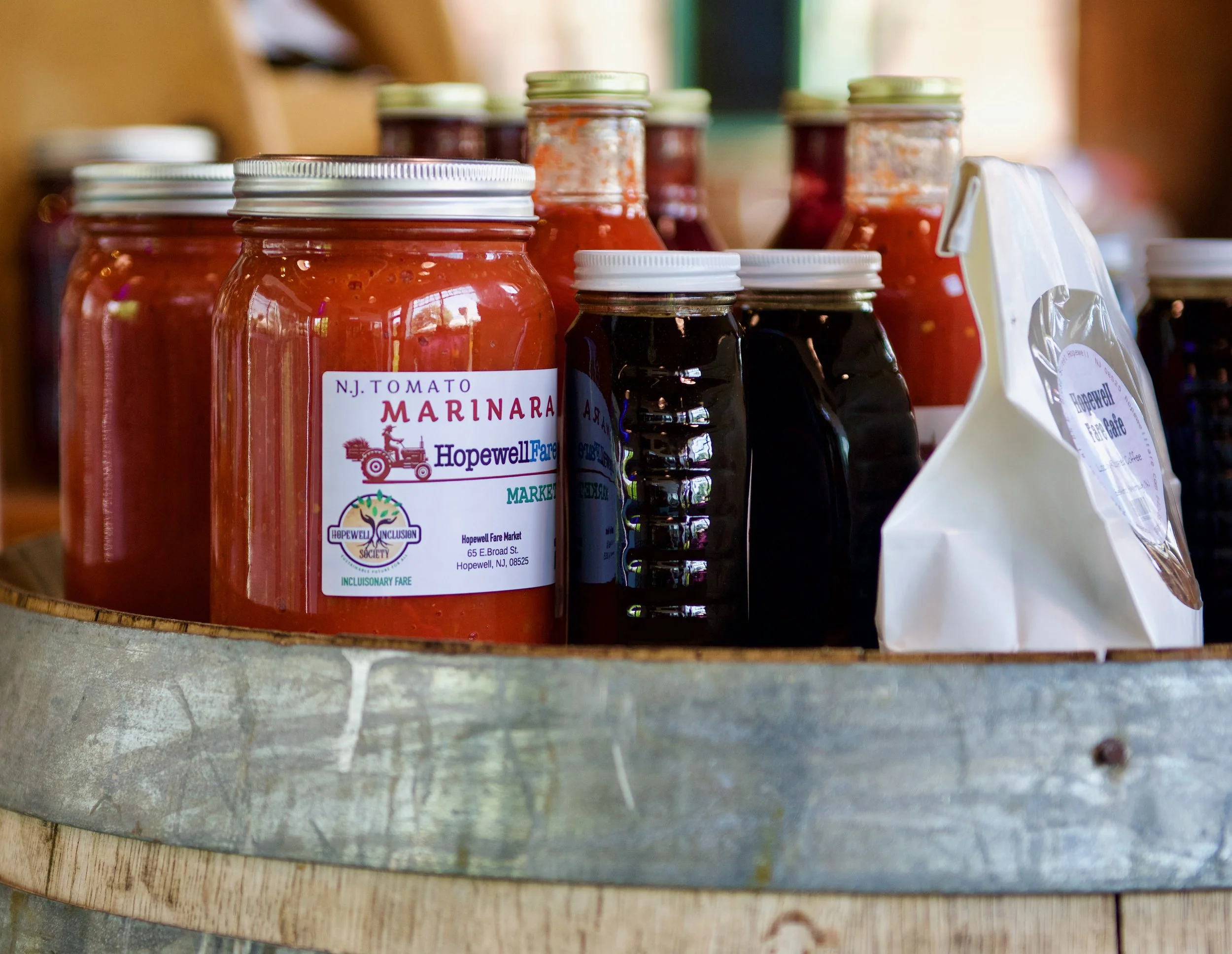
In December of 2025, the woman who owned both the bakery and coffeeshop also decided to leave. The opportunity opened up for Miguel to branch out into those areas as well. On the one hand, he knew this would be a great move for his customers. Up until that point, they had to wait in one line to order their food and then wait in another to order coffee. “If you are a parent with three kids, or an older person, or just someone who wants to enjoy a Saturday after working the whole week, this is not good. We were building such a nice place, but this killed the experience.” On the other hand, while Miguel enjoyed coffee a lot, he was admittedly not an expert at it, and the prospect of managing a coffeeshop was a bit daunting. “But I said, ‘God, if this is for me, ok. Just show me the road. I am going to make it.’ Two or three days later, someone came in and said, ‘I am looking for a job. I used to own a coffee shop, and I know a lot of the recipes. Would you have a position for me?’ I said, ‘Oh my gosh, yes! I have the perfect space for you! All of this is yours!” It felt meant to be; everything seemed to be falling into place.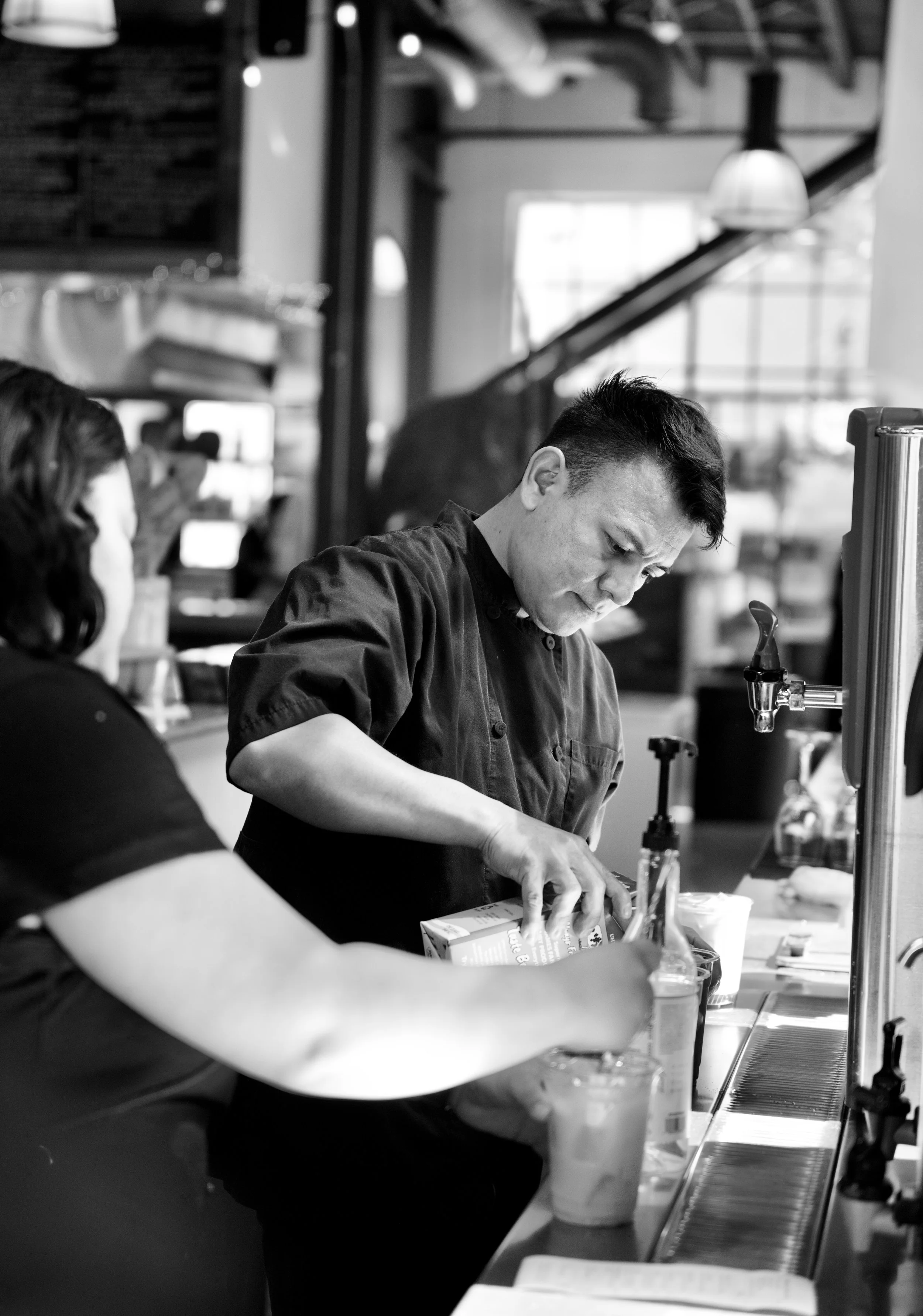
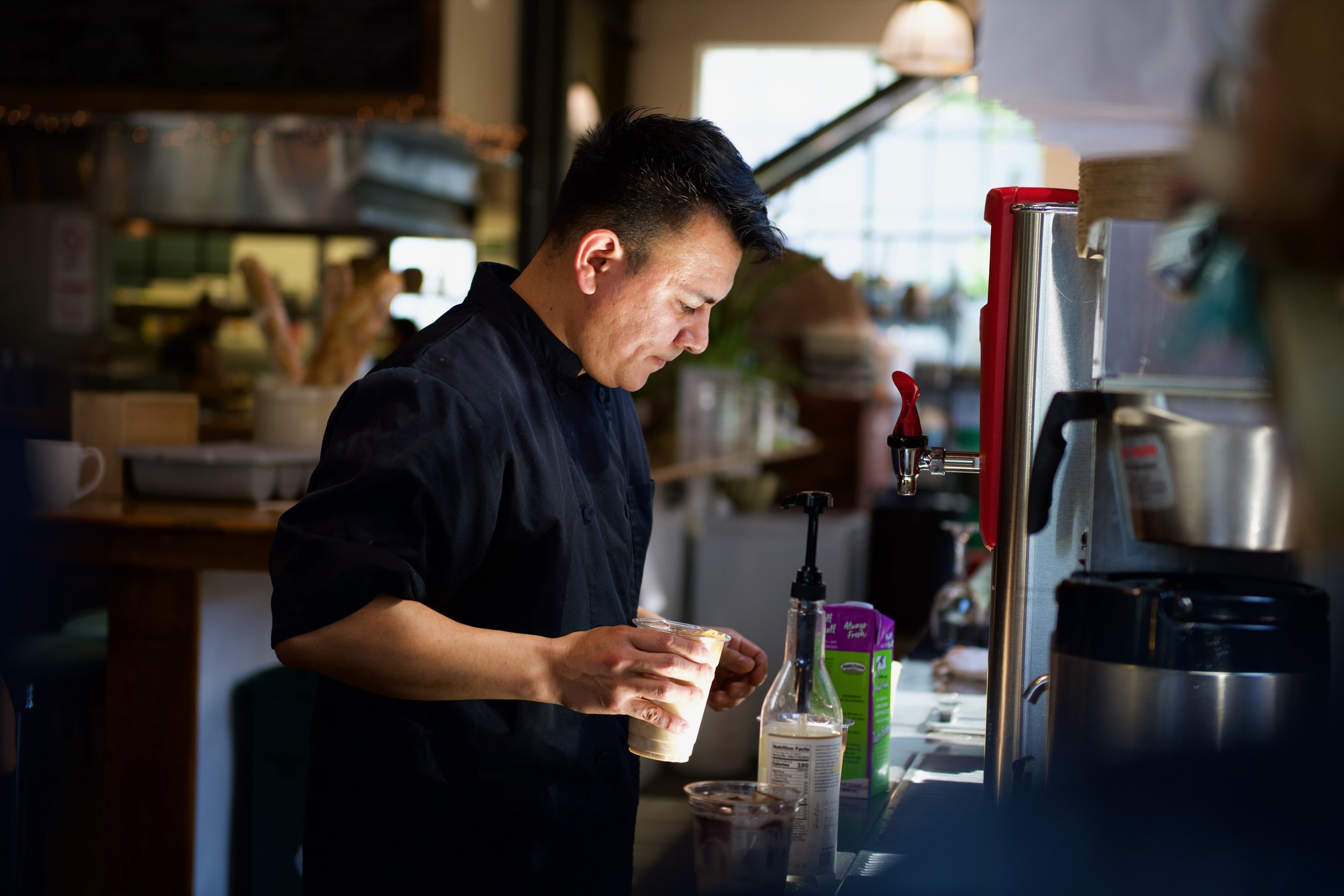


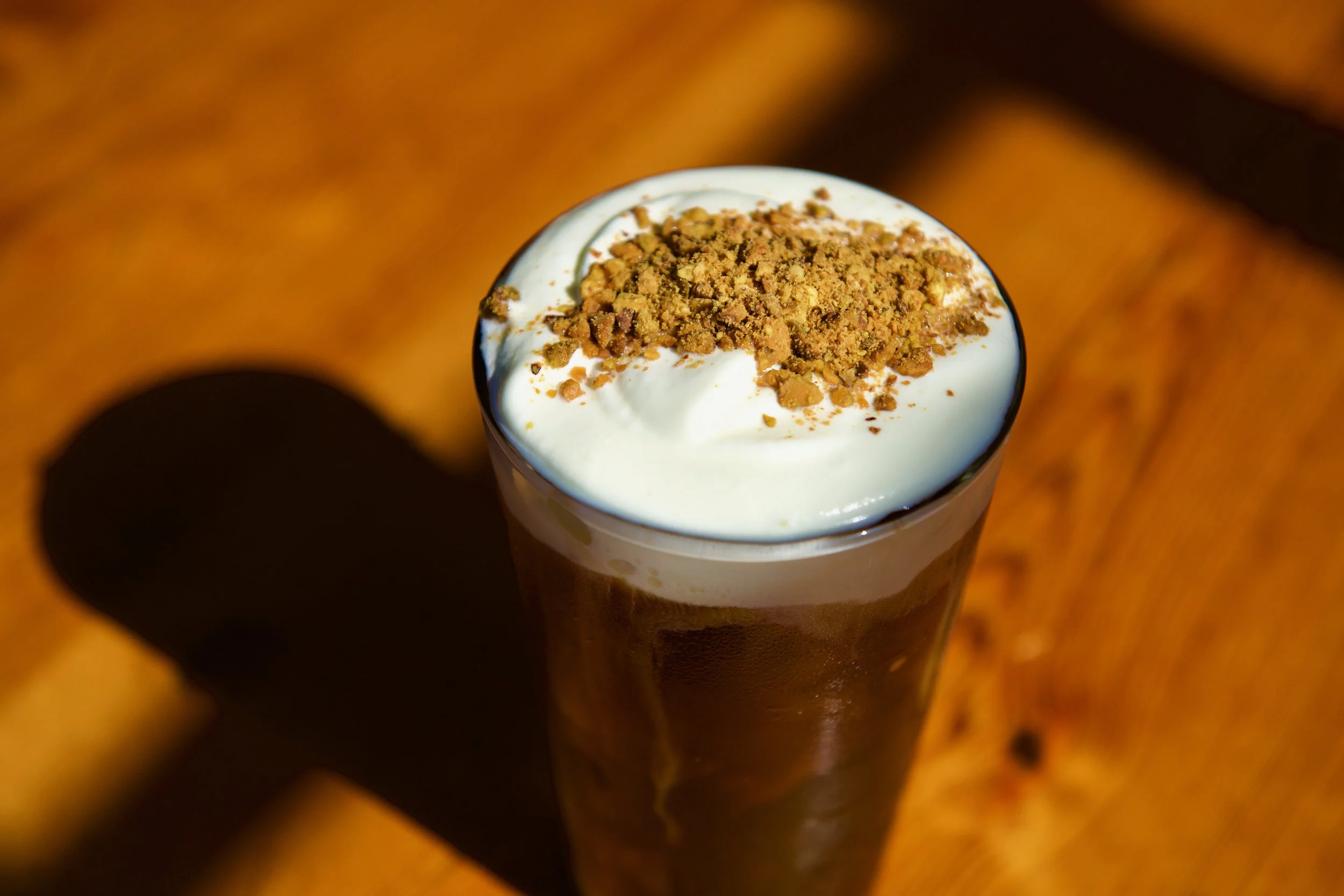


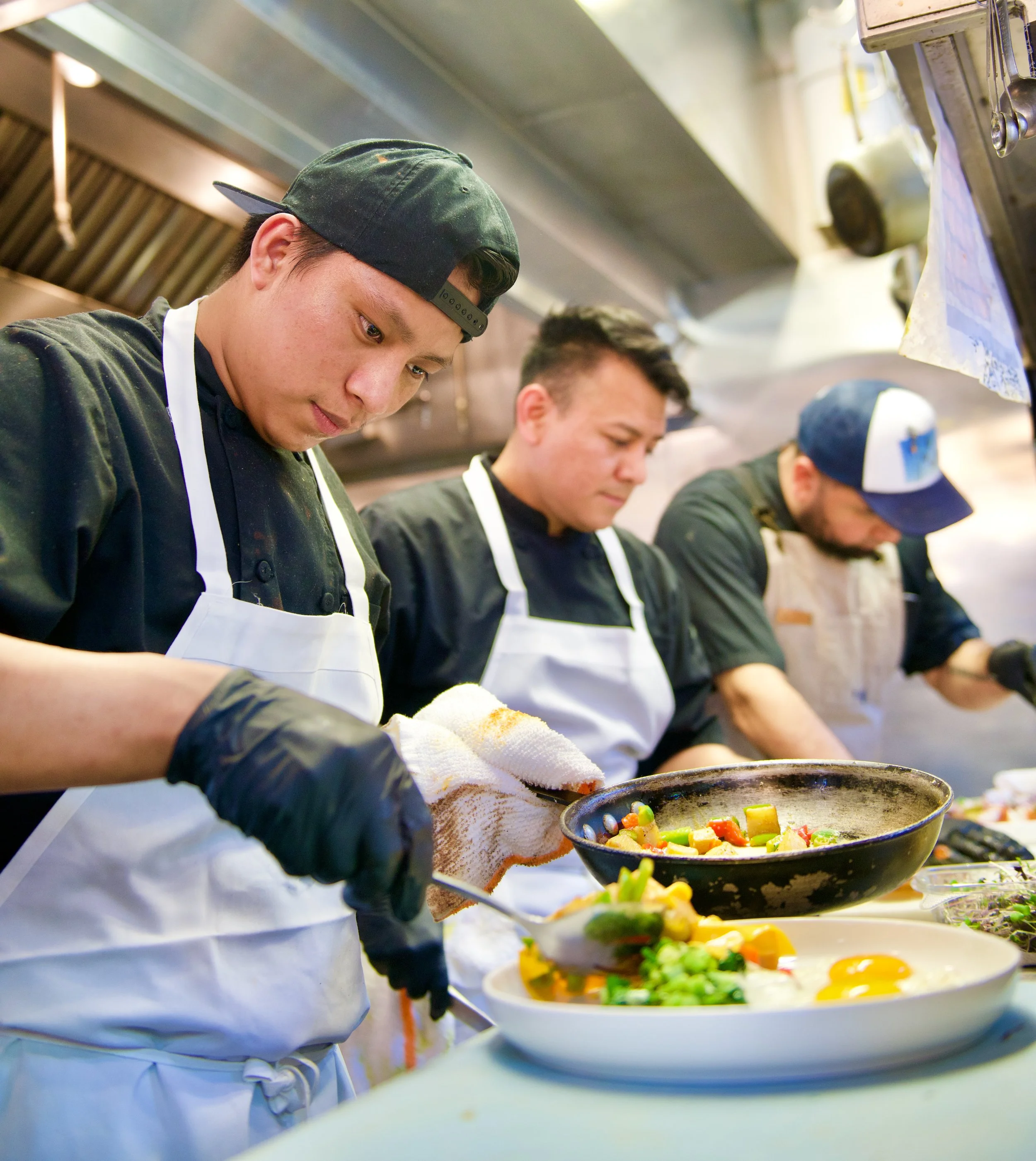
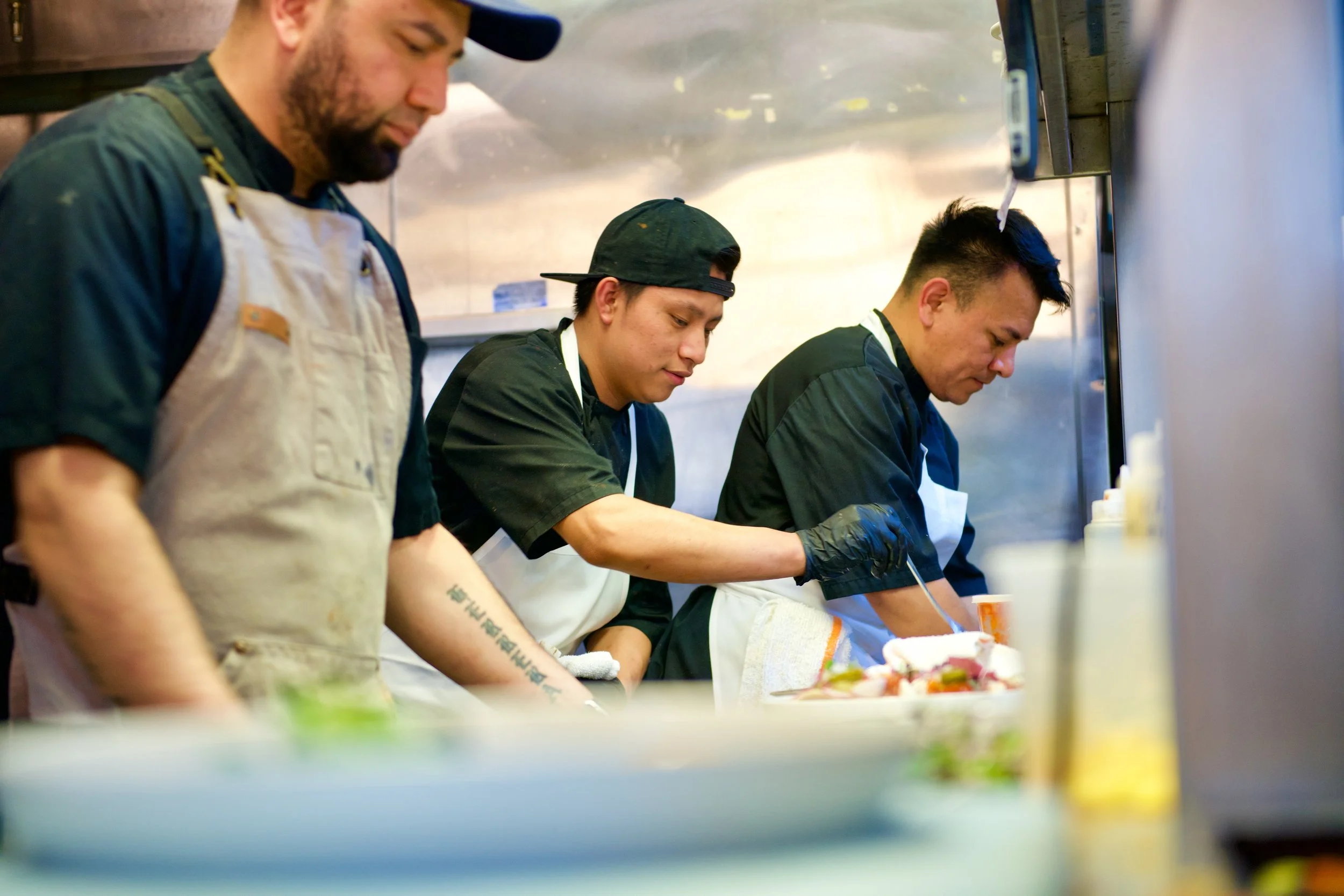
Miguel’s team has now grown to 11 or 12 individuals, including his two sisters. “God has really been blessing us here. If it were not for my team, all of this would be impossible. Yes, I can do some things, but I cannot do everything. I need help. Everyone here is such a hard worker. I tell my team all the time that I don’t see them as employees; we are friends, and we are family. We are all working together, and we spend more time here than we do at our homes. We all depend on this place to pay our rent, to feed ourselves, and to provide for our families. I always tell them that if they need anything, I am here. Thanks to them, our customers are happy. When I get positive feedback from customers, I bring my team together, and I say, ‘Guys, we got these comments today, and it’s not because of me. It’s because of everyone here at this moment. Thank you. I am so grateful for you.”
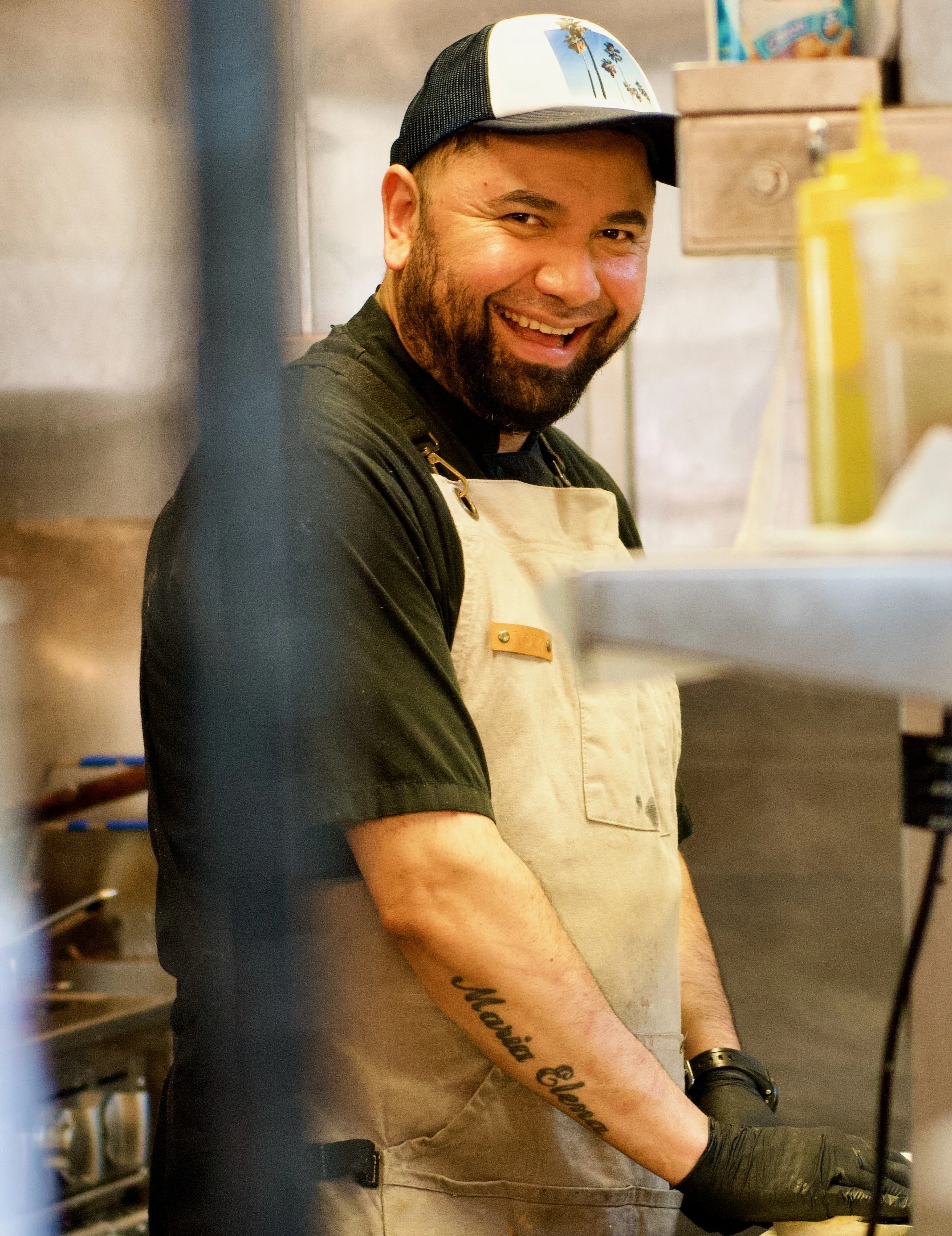

The sense of community Miguel has created extends beyond his staff. Hopewell Fare Cafe has become a gathering place for the surrounding area. “Sometimes you just want a place to go where you can order food, sit, relax, have time for yourself, and just be. Sometimes you want to drink coffee and work on your computer. There aren’t many places around here where you can do that. Restaurants often need the space. They may not kick you out, but they are pushing you to finish. Here, it is not like that. Some people come at 12 and are still here at 3 or 4. By that time, maybe they’ve had two coffees, a smoothie, muffins, and a cookie, and they are just enjoying themselves and talking. We are trying to grow the second floor into a cafeteria style space so it’s a bit separate from the restaurant. You don’t need to come to the restaurant, you can just come, enjoy coffee, do work. I want everyone to feel like they are home.”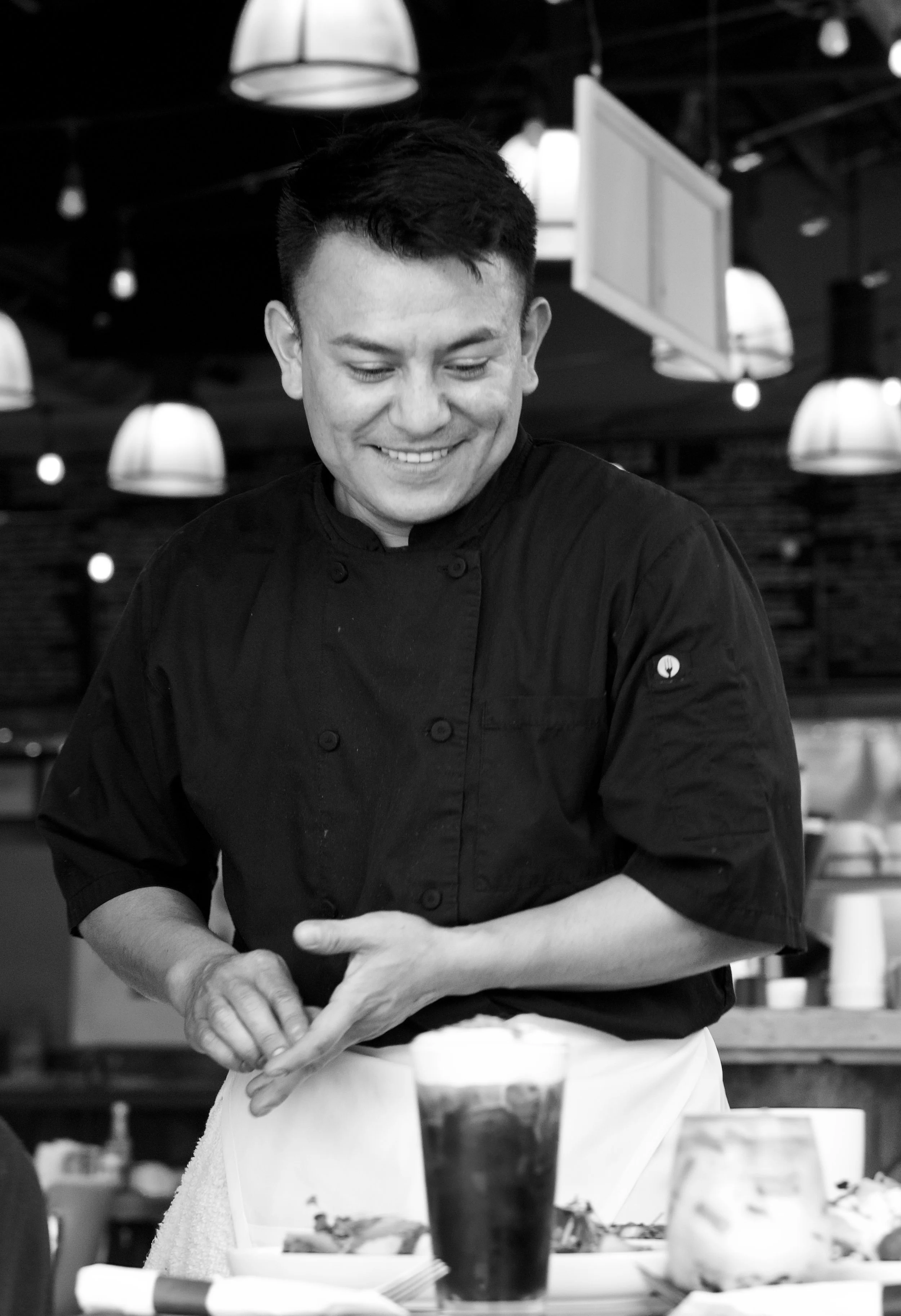
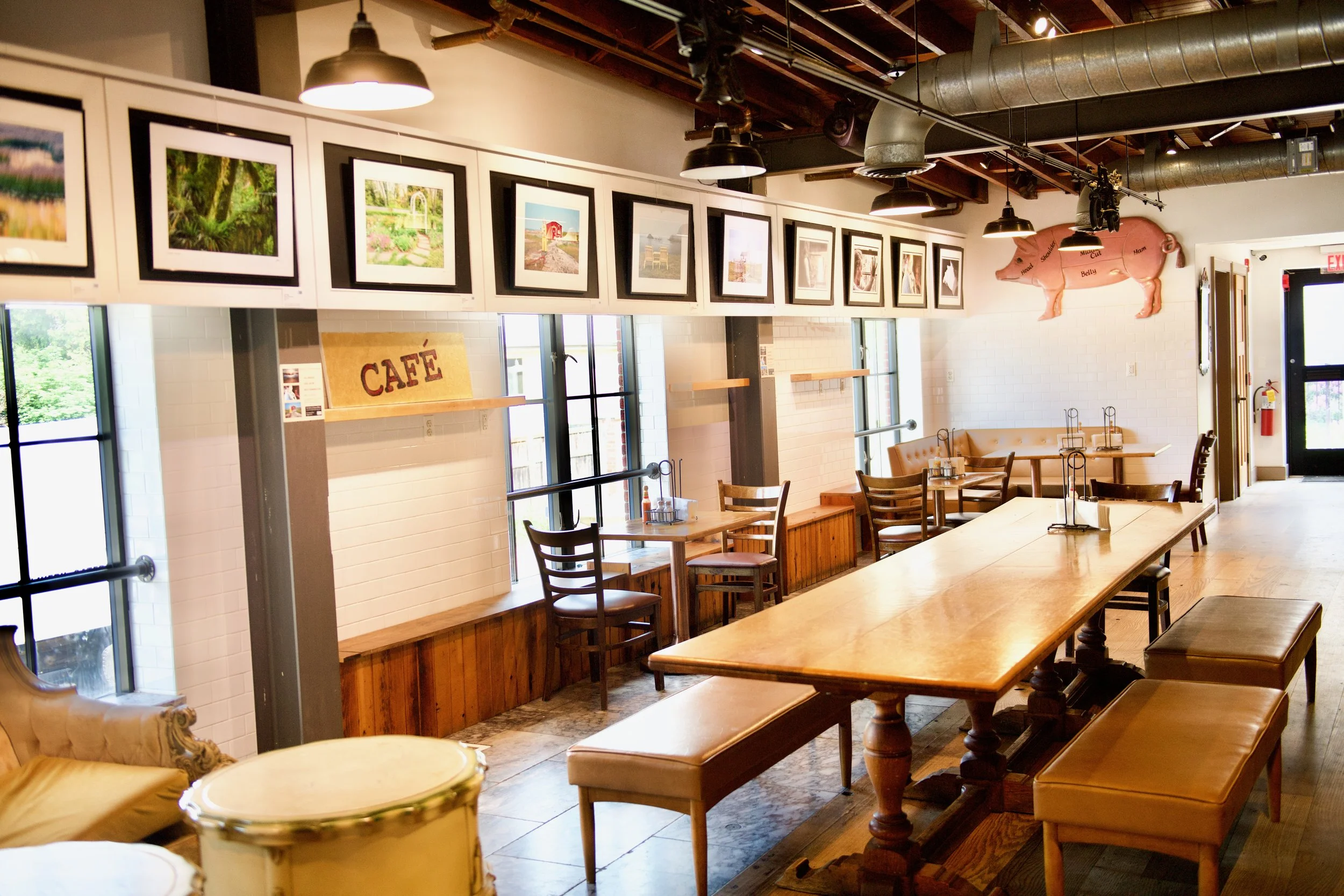
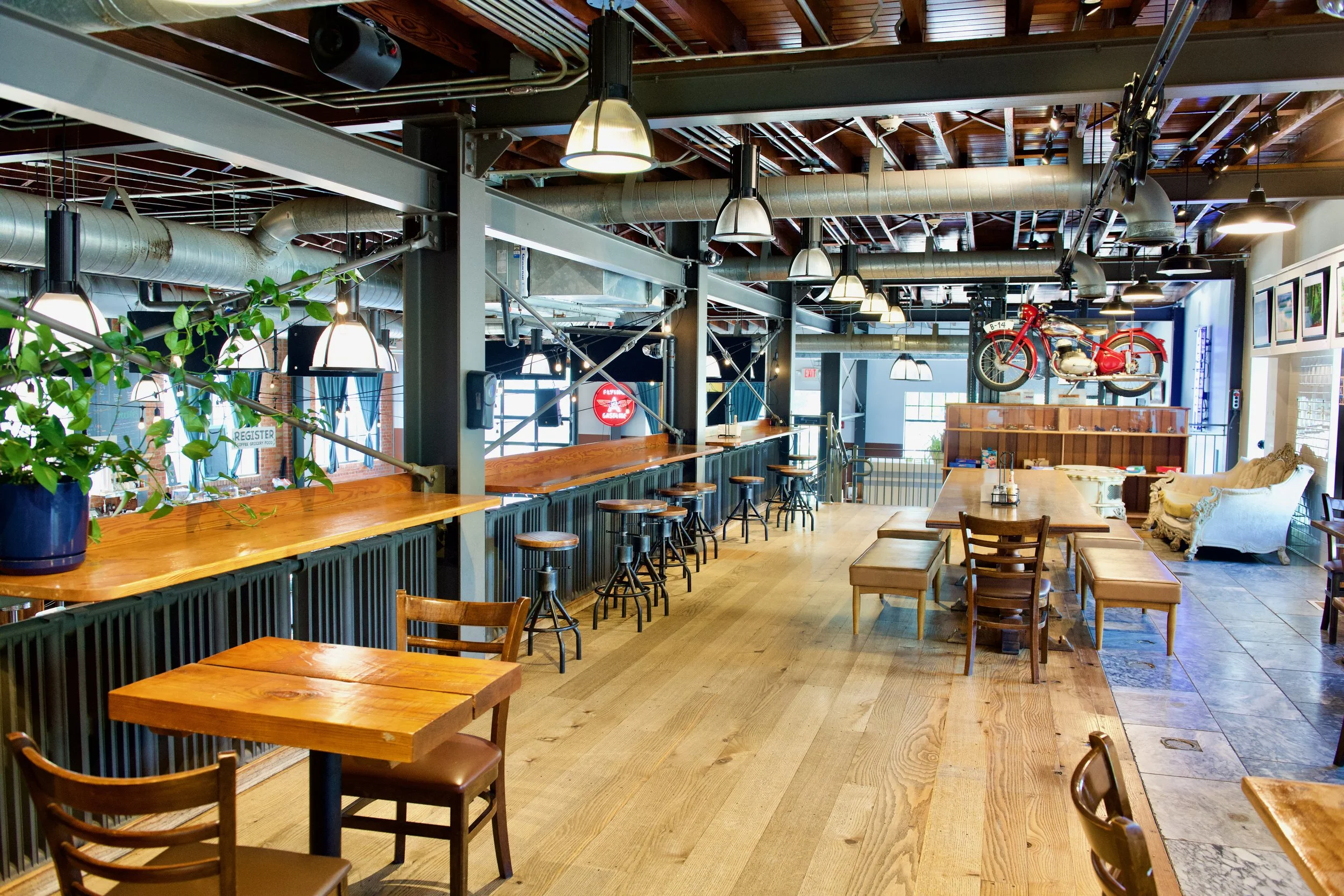
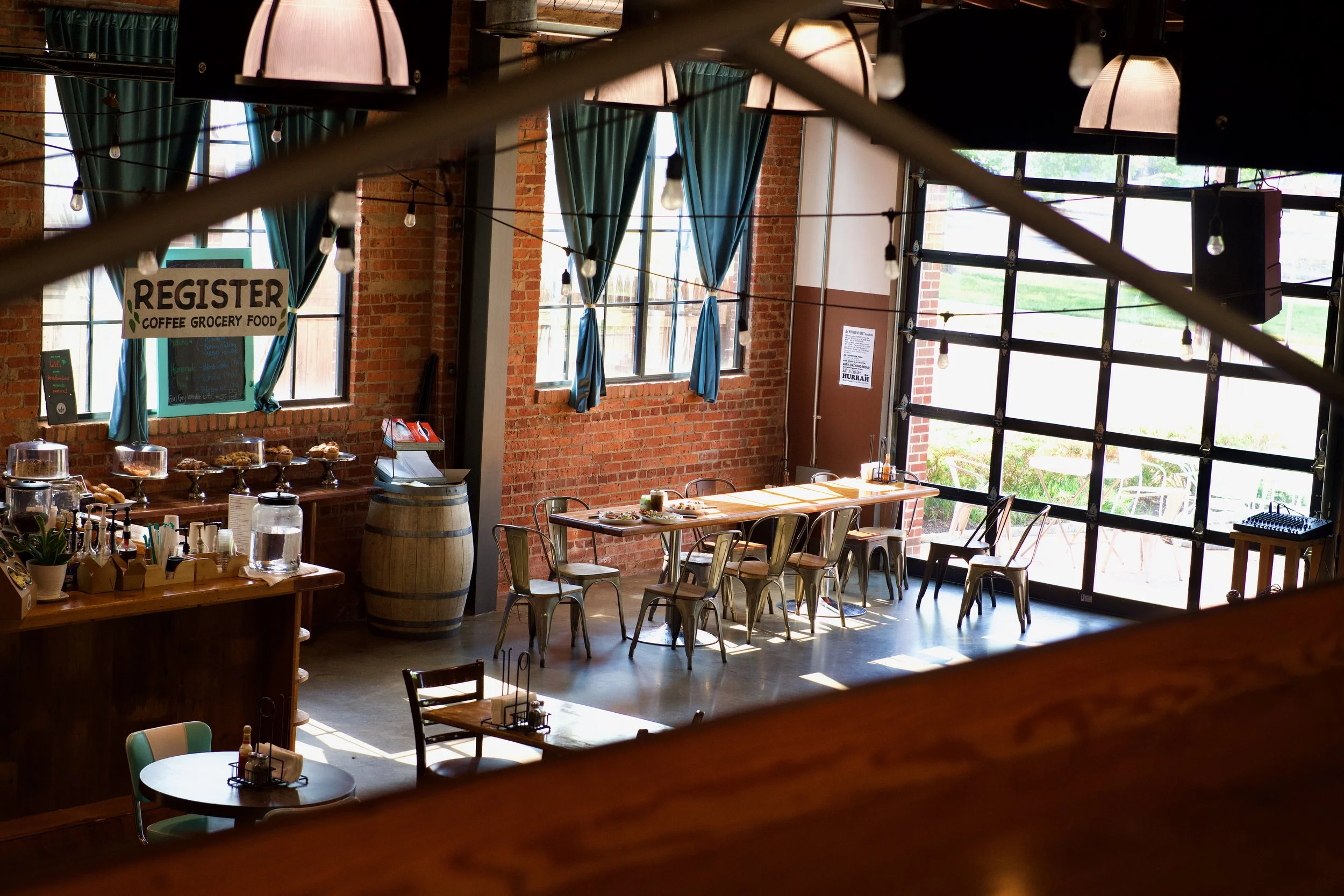
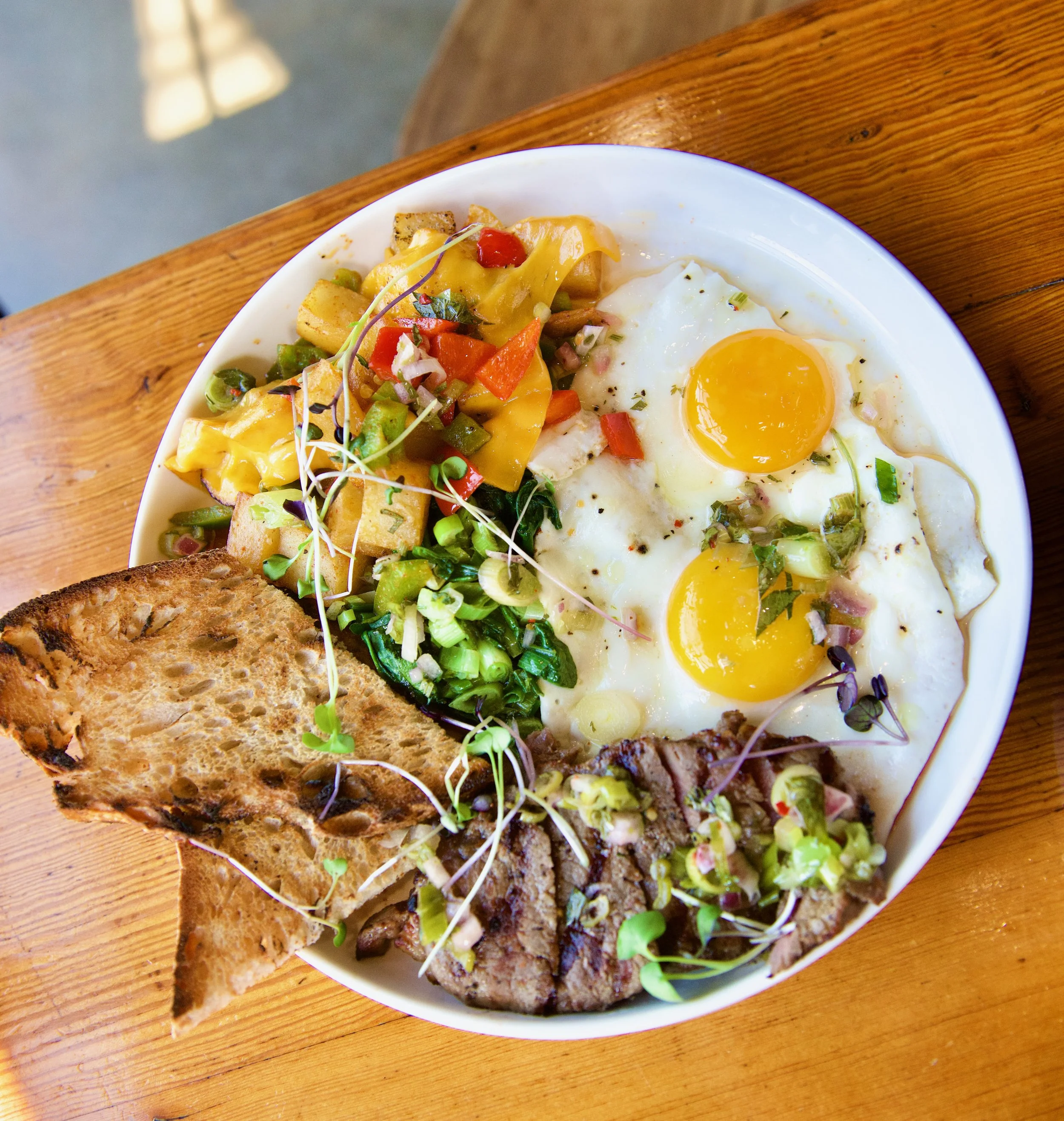
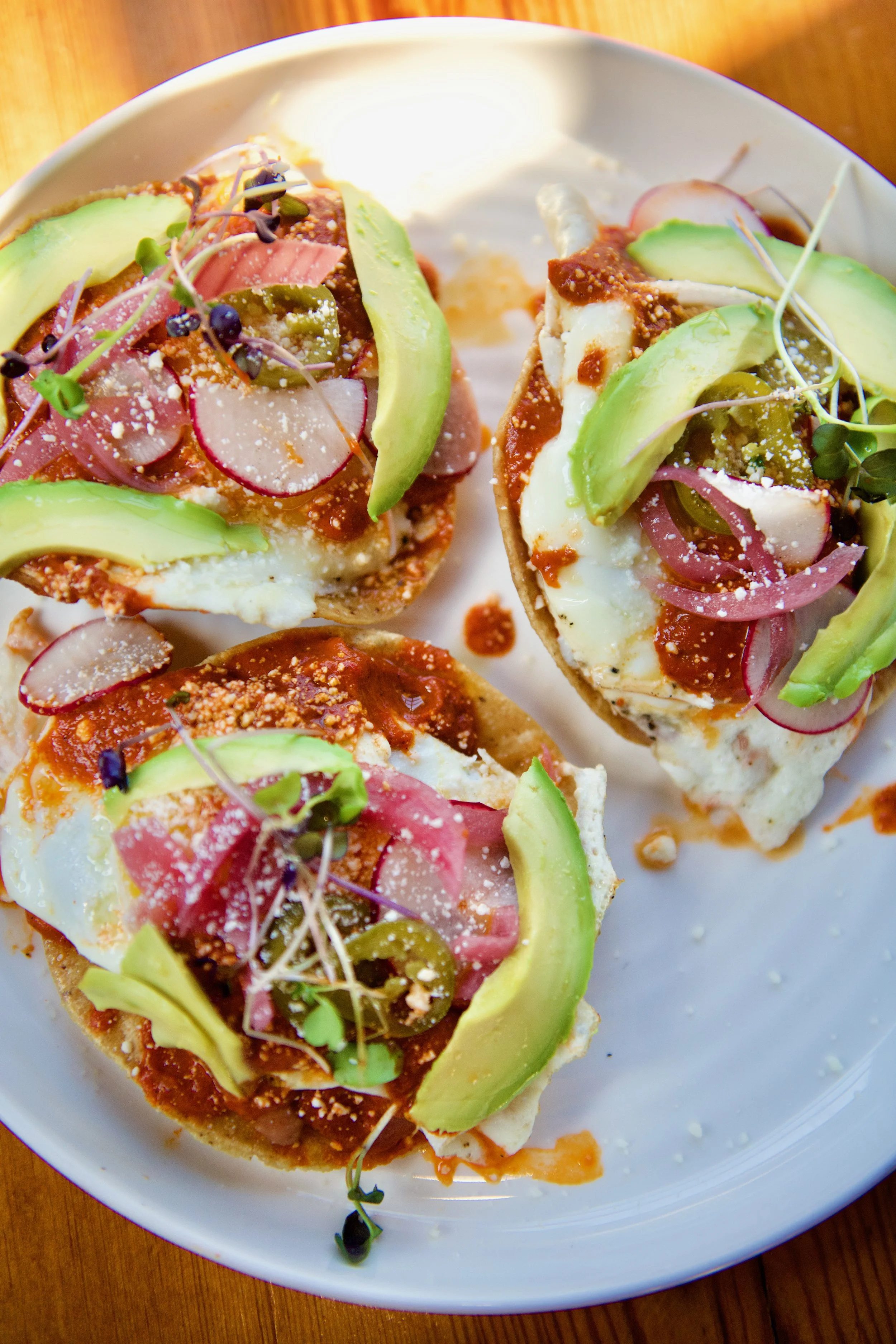
Because Hopewell Fare Cafe is farm-to-table, their menu is frequently fluctuating depending on what is available that week from their farmers. Their daily menu is also extensive. This allows many customers to eat with them multiple times per week and try a different type of meal each time. It also allows a variety of options for people who have food allergies or restrictions, something Miguel is personally familiar with. “I am allergic to a couple things, so I completely understand when people tell me they can’t eat something. I wanted to make sure people can easily find things to eat here regardless of their restrictions.” Because of this, there are many gluten free, dairy free, and vegan options on the menu, as well as many dishes that are easily adjustable to accommodate these requests.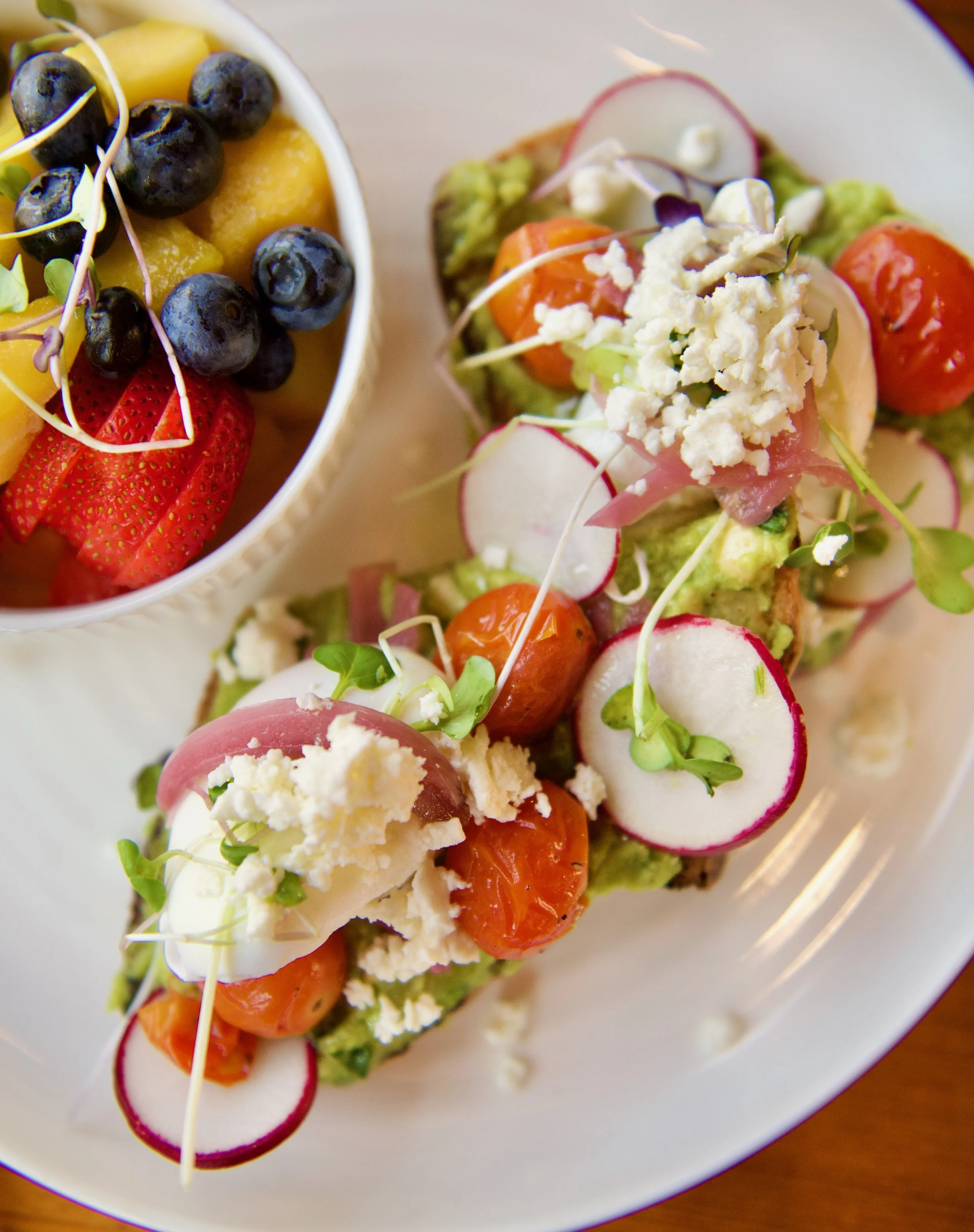
Miguel is still pinching himself when it comes to the restaurant he has built. “I remember a lot of people telling me, ‘No, don’t do it. It is too hard.’ But I really wanted to try. I really wanted to figure it out on my own. And it’s true; it’s hard work. I have been here almost 24/7. I remember when I just opened, I would go to sleep around 1 or 2 in the morning and get up at 5 and keep going. Now I am still here 7 days a week, though sometimes I get a couple more hours of sleep. I love it; I really love what I do. A month ago, I parked outside, I looked at the building, and it all just hit me. I stood at the door and looked around and thought, ‘Oh my God, what a place! To be my first restaurant? My first opening? My first time doing this? This is huge.’ I am just so grateful and happy for all the customers, everyone who has come, and my team. So many people have told me, ‘It’s your baby now. You've got to take care of it. For the first four or five years, you have to be here all the time. You have to keep a really close eye on it.’ I know there are going to be hard days and stressful moments, but at the same time, there will also be joy, connection, and a chance to share and enjoy everything I’ve created.”
Miguel’s biggest motivation for making Hopewell Fare Cafe a success is his newborn son, Luca. “I want this to be for him, too,” he says. “I want to build something meaningful that he can be proud of someday. I want this to be something he can grow with and have for his future.”